Why Choose Wall Decor Panels for Your Home?
Wall Decor Panels can give a room shape, warmth, and a stronger focal point without changing its layout. A flat wall may feel unfinished beside a dining table or behind a bed. Panels add visible texture, from narrow vertical battens to softly patterned, upholstered sections. Even a small feature wall can make the room feel more considered.
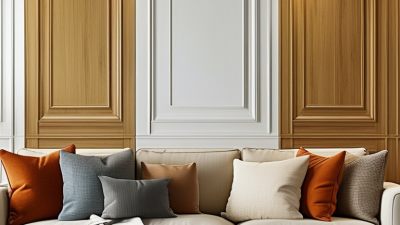
Decorative-arts designer William Morris offered a useful test for home design: “Have nothing in your houses that you do not know to be useful, or believe to be beautiful.” That idea suits Wall Decor Panels well. They can soften the look of a plain surface, frame a reading nook, or introduce a subtle contrast with painted walls. Picture warm oak-toned panels catching afternoon light, or a simple geometric pattern behind a sofa. The effect depends on scale, color, and the room’s existing materials—not on decoration alone.
Details matter. Check panel dimensions, edge finishes, cleaning needs, and the wall condition before choosing a style. Installation requirements vary, so follow the manufacturer’s guidance and ask a qualified installer when the project is unfamiliar. Not every wall needs dressing. Too much pattern can compete with furniture, and a finish that looks calm in a showroom may feel busy at home. That is worth considering. A thoughtful choice balances appearance with upkeep, budget, and the way your household uses the space. When those practical details fit, Wall Decor Panels can make a home feel more personal without making it feel crowded.
What Wall Decor Panels Are and How They Differ from Other Wall Finishes
Why Choose Wall Decor Panels for Your Home?
What Wall Decor Panels Are and How They Differ from Other Wall Finishes
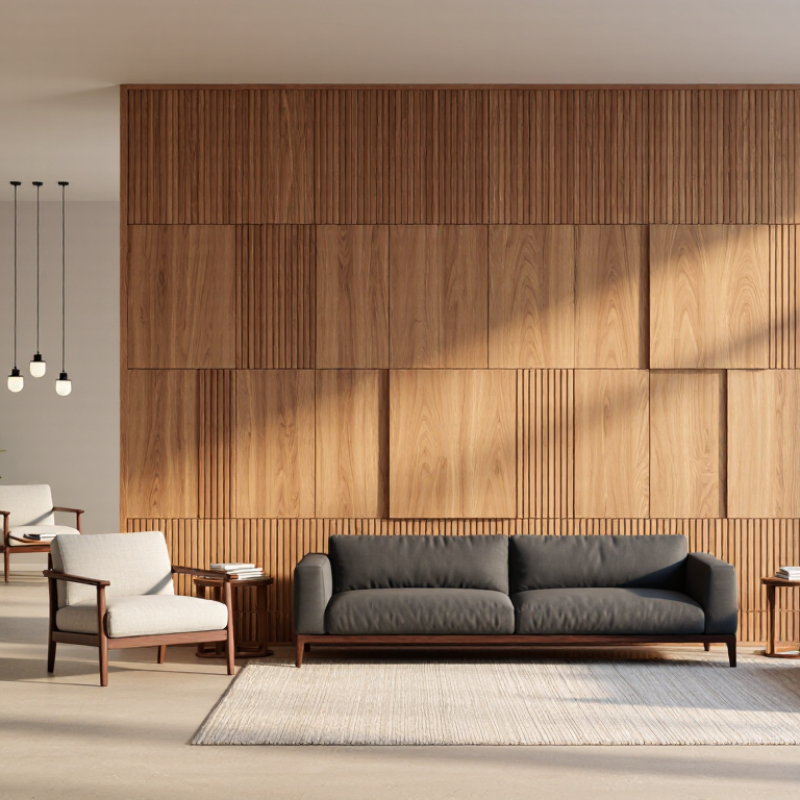
Wall decor panels are separate boards or shaped pieces fixed over a wall, creating visible texture, depth, or a defined pattern. They may be made from wood, engineered fiberboard, PVC, or other materials. Unlike paint, panels add physical relief. Unlike wallpaper, they create seams, edges, and sometimes shadow lines you can feel. A painted wall is usually simpler to refresh; panels can hide minor surface flaws, but they need careful measuring and fitting.
Material matters. A wood panel can bring warmth to a hallway, while a grooved panel adds rhythm behind a bed. Yet panels are not automatically more durable or soundproof. Moisture resistance, fire performance, and acoustic results depend on the specific product and installation. Check the technical sheet, especially for kitchens, bathrooms, and shared walls. Details matter.
Budget also shapes the choice. The 2024 U.S. Houzz & Home Study reported median renovation spending of $24,000 in 2023, across home projects—not wall panels alone. That figure is useful context, not a panel-price estimate. Panels may cost more to install than paint because cutting, trims, and wall preparation add labor. And an awkward corner can expose a rushed job. A small sample on the actual wall helps reveal color shifts and seam spacing before you commit.
Common Materials, Designs, and Installation Methods
Wall decor panels come in wood veneer, MDF, PVC, gypsum, and fabric-covered forms.
Each suits different rooms and budgets. Wood veneer adds visible grain and warmth, while painted MDF creates a smooth, consistent surface. PVC handles occasional splashes better, but it may look less natural up close. Felt panels soften sound and bring a softer texture. Not every panel belongs in every room.
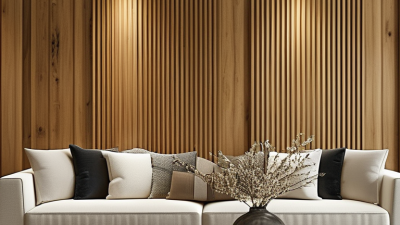
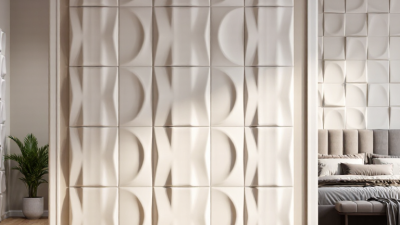
Design affects both appearance and upkeep. Narrow slats can make a wall feel taller, while geometric relief creates strong shadows beside a window. Flat panels are easier to wipe clean; deep grooves collect dust.
I’ve found that samples viewed under the room’s actual lighting can look quite different from online pictures. That small check is easy to skip.
Installation depends on panel weight, wall condition, and the product’s fixing method. Adhesive may suit lightweight panels on a clean, even surface. Heavier pieces may need screws secured into studs or suitable anchors. Check for pipes and wiring before drilling, and measure around outlets and switches. Leave any expansion gaps specified by the manufacturer, especially with wood-based materials.
A bowed wall can leave visible gaps, so correcting the surface first may save frustration.
How Wall Decor Panels Can Improve a Home’s Appearance and Comfort
Why Choose Wall Decor Panels for Your Home?
Wall decor panels can make a plain room feel more considered without changing its layout. Their lines add depth, while wood-look finishes bring warmth to a bare hallway or cool living room. Light-colored panels may help a small space feel brighter. Textured surfaces can also soften the hard, flat look of painted walls. The effect depends on lighting and scale. A bold pattern may feel crowded in a narrow room, so samples are worth checking at different times of day.
Tips: Measure the wall and mark switches, outlets, and trim before choosing a panel layout. Test a sample beside your flooring and furniture. Keep the design simple where the room already has strong patterns. Small details matter.
Panels can improve comfort in quieter, more subtle ways. Some materials and installation systems may reduce a room’s sense of echo, though results vary and panels are not a substitute for proper sound insulation. Smooth surfaces are easier to dust; deeper grooves can collect it. Consider moisture levels before using panels in kitchens or bathrooms, and follow the material maker’s care and installation guidance. The right choice feels practical, not merely decorative.
Why Choose Wall Decor Panels? A More Comfortable Home
Typical sound absorption ratings show how acoustic wall finishes can help reduce reflected sound and make rooms feel more comfortable.
The Noise Reduction Coefficient (NRC) ranges from 0 to 1; higher values indicate greater sound absorption. These are representative ratings: actual performance varies with panel thickness, mounting, and construction.
Rooms and Interior Styles That Suit Wall Decor Panels
Wall decor panels suit rooms where a blank surface needs warmth or definition. In living rooms, fluted or wood-look panels can frame a sofa or media area. In bedrooms, a textured panel behind the bed adds depth without filling the floor with furniture. Hallways benefit from durable, wipeable finishes, especially near coat hooks and busy doorways. Panels also work with contemporary, Scandinavian, rustic, and mid-century interiors. Match the panel’s scale to the room; heavy patterns can make a small space feel crowded.
The 2024 U.S. Houzz & Home Study reported that 54% of surveyed homeowners renovated in 2023, with a median renovation spend of $24,000. This is not panel-specific data, but it shows why practical, visible upgrades matter to many households.
Choose finishes that suit the room’s light and use: pale vertical lines can make a low ceiling feel taller, while darker panels create a quieter, more intimate mood. A caution: samples can look different under warm evening bulbs. Check them in place before committing.
Tips: Test a sample beside existing trim and furniture. In kitchens or bathrooms, confirm the panel is rated for moisture and follow the maker’s installation guidance. Not every wall needs one. A smaller feature area may feel calmer—and sometimes the first choice is too much.