Top 5 PVC Board Benefits You Should Know?
In recent years, PVC boards have gained significant traction in various industries due to their impressive durability and versatility. According to a report by Research and Markets, the global PVC board market is projected to reach USD 15 billion by 2025, with a compound annual growth rate (CAGR) of over 5%. As construction and interior design trends lean towards sustainable materials, PVC board stands out for its eco-friendly properties.
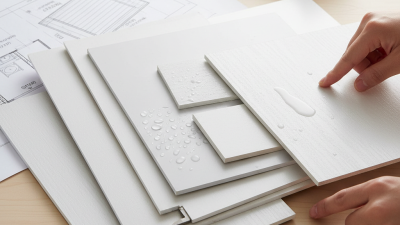
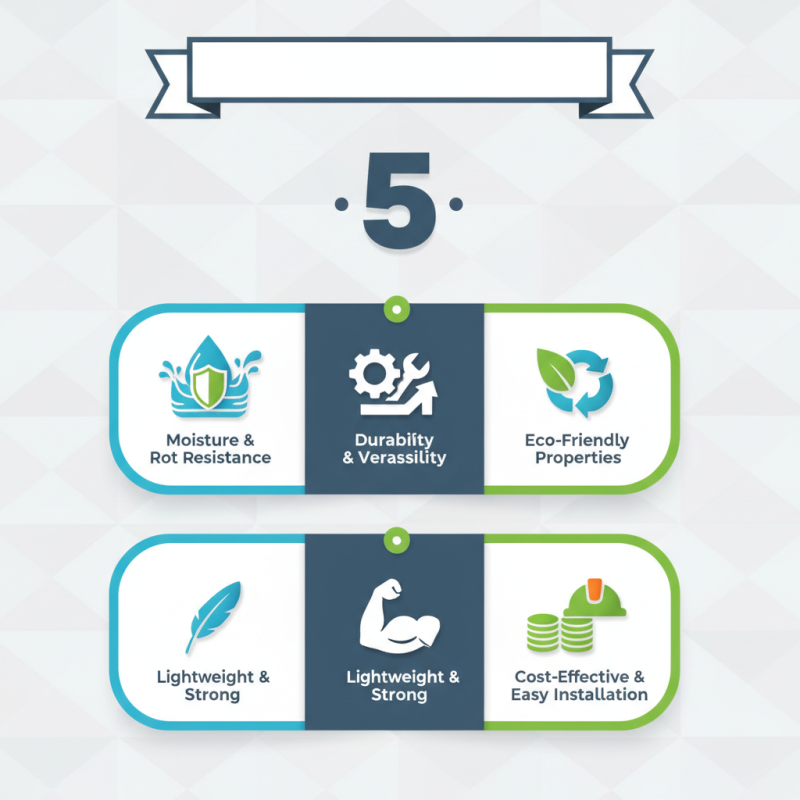
One of the most notable benefits of PVC board is its resistance to moisture and rot. This makes it ideal for outdoor applications. A survey by Statista indicates that over 70% of builders prefer PVC boards for decking and fencing. However, it is essential to analyze the long-term performance of PVC boards in extreme weather conditions.
Additionally, PVC boards are lightweight yet strong, making installation easier and cost-effective. Yet, considerations about recycling and environmental IMPACT are sometimes overlooked. While PVC boards provide many benefits, users must also contemplate their end-of-life disposal. Overall, understanding the unique advantages of PVC boards is crucial for informed decision-making in both commercial and residential projects.
Advantages of Using PVC Boards in Various Applications
PVC boards offer significant advantages across various applications, making them a popular choice in construction and manufacturing. Their lightweight nature contributes to easy handling and installation. According to the Composites Manufacturing Association, PVC boards can reduce transportation costs by up to 30%. This makes them an attractive option for builders and contractors focused on efficiency.
Durability is another key benefit. These boards resist moisture, chemicals, and pests. A study by the Plastic Research Institute indicated that PVC boards have a lifespan up to five times longer than traditional wood. This characteristic is especially valuable in environments prone to water exposure. Additionally, their low maintenance requirement saves time and money.
However, not all aspects are positive. The production of PVC can have environmental impacts. There are discussions around long-term sustainability in the manufacturing process. Some industry experts urge a closer look at better recycling methods. This critical reflection helps to understand the full lifecycle of PVC boards and encourages innovation in sustainable practices.
Top 5 PVC Board Benefits You Should Know
| Benefit |
Description |
Application Areas |
| Durability |
Resistant to weather, corrosion, and impact providing long-lasting performance. |
Construction, Outdoor Signage |
| Lightweight |
Easy to handle and install, reducing transportation costs. |
Interior Decorations, DIY Projects |
| Versatility |
Can be molded into various shapes and sizes for different uses. |
Furniture, Packaging |
| Cost-Effectiveness |
Lower initial investment compared to wood and metal, making it budget-friendly. |
Home Renovations, Commercial Projects |
| Low Maintenance |
Requires minimal upkeep, saving time and resources over the lifespan. |
Siding, Fencing |
Durability and Longevity of PVC Materials Explained
PVC materials have become a popular choice for various applications due to their remarkable durability and longevity. These materials can withstand harsh weather conditions. Rain, snow, and UV rays do not easily degrade PVC. Its resistance to corrosion makes it ideal for outdoor use. This durability ensures that PVC boards maintain their form and function over time.
One might wonder about the longevity of these materials. PVC boards can last for decades when properly maintained. They do not warp or split like wood, which requires frequent replacement. However, working with PVC requires caution. Improper installation can lead to issues down the line. Careful assessment of site conditions is crucial. Neglecting this aspect might undermine their benefits.
Interestingly, while PVC is durable, it is not entirely perfect. It can be prone to scratches. Over time, these can affect its appearance. Regular cleaning helps, but some wear is inevitable. This aspect reminds users to weigh the benefits against potential drawbacks. The balance between durability and maintenance is essential for maximizing the lifespan of PVC materials.
Cost-Effectiveness: How PVC Boards Save You Money
PVC boards offer significant cost-effectiveness for various projects. Their durability makes them a wise investment. Unlike wood, PVC boards resist moisture and pests. This means lower maintenance costs over time.
By choosing PVC boards, you avoid frequent replacements. Homeowners save money on repairs and upkeep. For commercial users, this translates to reduced downtime and expenses. However, initial costs can be higher than cheaper alternatives.
It's essential to weigh these factors. While PVC boards may rise in upfront costs, their longevity pays off. Over several years, you might find that they end up being the cheaper option. Careful planning is necessary to maximize these benefits.
Eco-Friendly Properties of PVC Boards and Their Impact
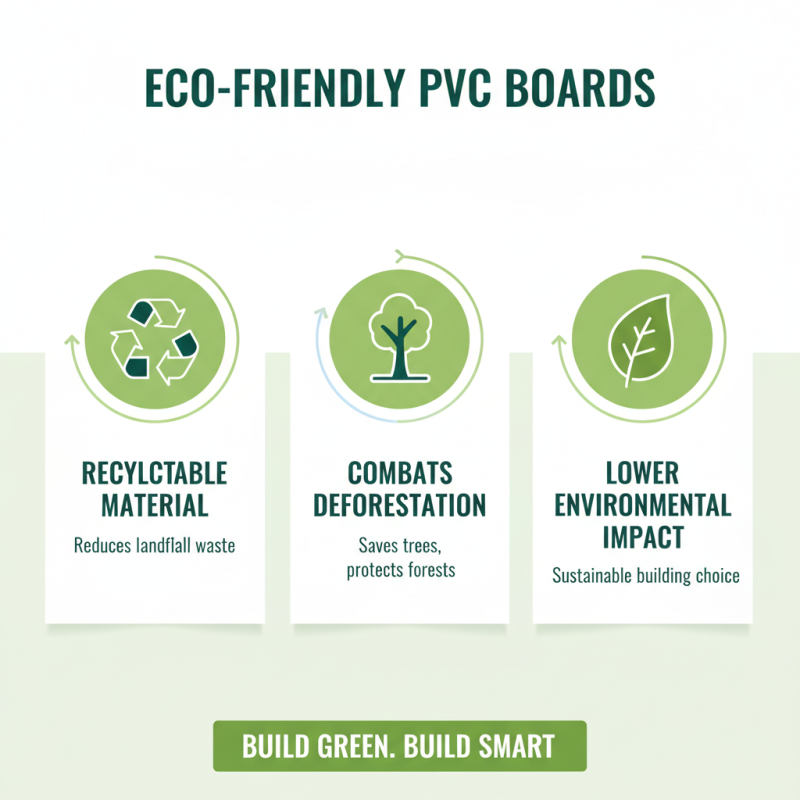
PVC boards have gained popularity for their eco-friendly properties. These boards are made from polyvinyl chloride, which can be recycled. This characteristic significantly reduces their environmental impact. Unlike wood, using PVC slows down deforestation. Many architects and builders appreciate this aspect. Every little step counts in preserving our forests.
Despite being a plastic product, PVC boards are durable and low-maintenance. They do not require harmful chemical treatments like some wood products. This means fewer toxins are released into the environment. The manufacturing process has improved, resulting in less waste. Yet, some argue they still contribute to plastic pollution. Balancing material use and sustainability demands ongoing reflection.
The longevity of PVC boards contributes to their eco-friendliness. They can last for decades, minimizing the need for replacements. However, there are concerns about their disposal at the end of life. Developing efficient recycling systems is a critical challenge. Innovations in this area could help further mitigate environmental impacts. Understanding these complexities is essential as we pursue more sustainable building options.
Versatility of PVC Boards in Design and Construction Projects
When it comes to design and construction projects, the versatility of PVC boards shines through. According to a report by MarketsandMarkets, the global PVC market is expected to reach $67.8 billion by 2026. This growth highlights the increasing demand for versatile materials like PVC. They are lightweight, durable, and resistant to moisture, making them ideal for both indoor and outdoor use.
Many architects and designers appreciate PVC boards for their adaptability. They can mimic other materials such as wood or stone. This allows for creative freedom without sacrificing performance. It is fascinating to note that around 45% of construction professionals choose PVC for its sustainability. PVC is recyclable, which contributes to reduced waste in the construction industry.
However, it is important to reflect on some challenges. There are concerns regarding the environmental impact of PVC production. The production process involves toxins, and increased demand could amplify these issues. Balancing innovation with sustainability should be a priority for industry stakeholders. While PVC boards offer numerous benefits, addressing these ecological concerns is crucial for future growth.
Top 5 PVC Board Benefits You Should Know