Top Tips for Choosing the Best Decorative Wall Panels?
Choosing the right decorative wall panels can transform any space considerably. These panels serve both functional and aesthetic purposes. They can enhance a room's overall appearance while providing sound insulation or moisture resistance. With a myriad of options available, selecting the best panels may feel overwhelming.
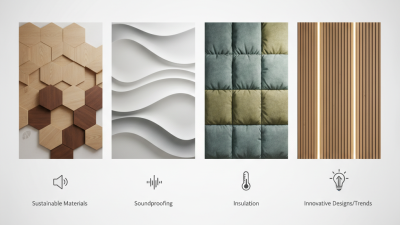
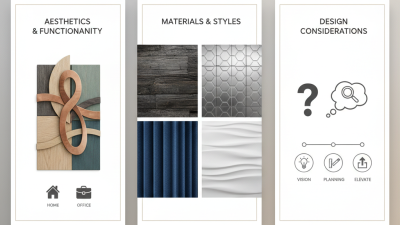
When considering decorative wall panels, think about the materials. Wood, PVC, and fabric offer different textures and aesthetics. Each material has its advantages and limitations. You might want elegant wood panels for a classic look, or colorful PVC for a modern vibe. Pay attention to the colors and patterns that resonate with your style.
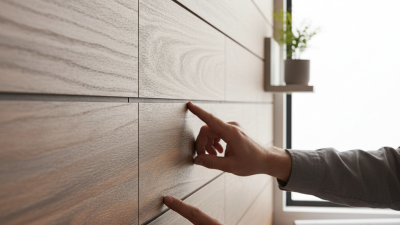
Ensure you consider the installation process. Some panels might be more challenging to install than others. Look for options that suit your skills. This could save you time and frustration. Always ask for professional input if you're unsure. Remember, the best decorative wall panels not only align with your vision but also fit your practical needs. Reflect on how each choice aligns with your lifestyle.
Understanding the Different Types of Decorative Wall Panels
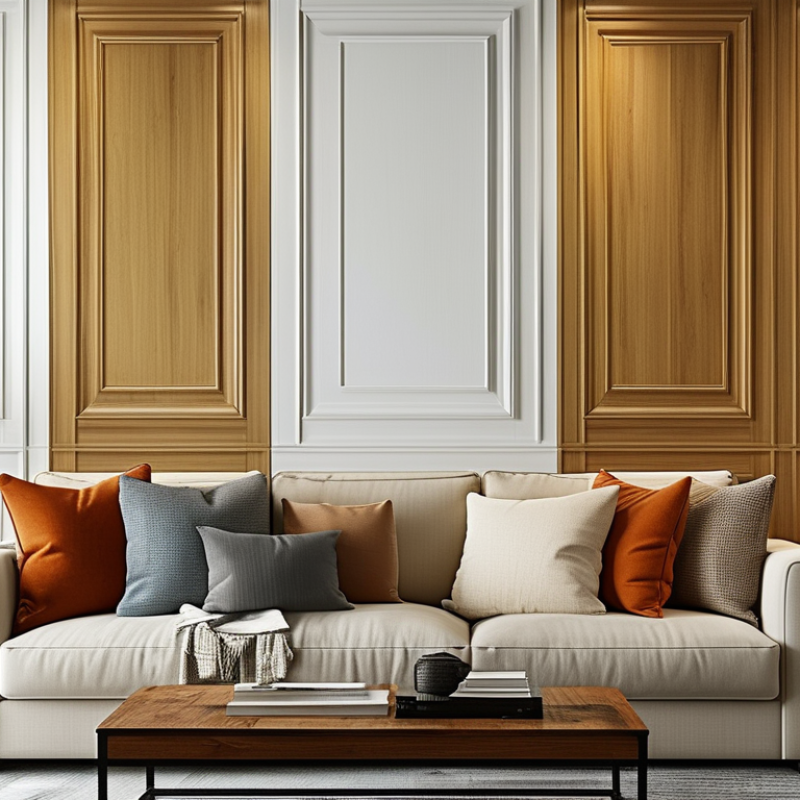
Choosing the right decorative wall panels can enhance any space. Various types cater to different styles and needs. Wood panels offer warmth and a classic look. They work well in traditional or rustic settings. On the other hand, metal panels provide a sleek, modern aesthetic. They are often used in industrial spaces or ultra-modern homes.
There are also fabric-covered panels, which add texture and softness. These are perfect for cozy living rooms or bedrooms. They can absorb sound, making a space feel quieter. PVC panels are popular for their versatility and low maintenance. They come in various colors and patterns, suitable for any decor. Consider the environment where the panels will be installed. Factors like humidity and sunlight exposure can affect material choice.
When selecting, think about installation complexity. Some materials may require professional help, which adds to costs. While the appearance is essential, durability and maintenance are equally important. Reflect on what works best for your lifestyle and preferences. Choose panels that fit your vision but also stand the test of time.
Assessing the Material Options for Durability and Aesthetics
When selecting decorative wall panels, materials play a crucial role in both durability and aesthetics. Popular options include wood, PVC, and metal. According to a study by the National Wood Flooring Association, wood panels can last decades if properly maintained. Their natural variations add warmth but require continuous care to avoid rot or warping. Using untreated wood may not be practical in humid areas.
On the other hand, PVC panels are gaining traction due to their waterproof qualities. Reports indicate they can withstand moisture without losing appearance or integrity. However, some homeowners lament their lack of authenticity compared to wood. They may feel overly synthetic in certain designs. Metal panels offer a modern touch, with a lifespan that often exceeds 30 years. They can enhance industrial aesthetics but might create a cold environment if not balanced with warmer elements.
Consider the visual impact of your choice. The right material should resonate with your overall design goals. While durability is important, aesthetics cannot be overlooked. Each option presents unique challenges that deserve thoughtful reflection. Every material choice carries weight and can dramatically influence the look and feel of a space. Pay attention to how these panels interact with light and color to find the best fit for your vision.
Evaluating Cost vs. Value in Decorative Wall Panel Choices
Evaluating the cost versus value in decorative wall panel choices is crucial for a satisfying purchase. Many homeowners desire elegance, but it’s easy to overlook durability. Wall panels can range significantly in price. Sometimes, cheaper options seem appealing, but they might not last. Higher quality materials may have a higher upfront cost but can save money over time.
When shopping, it’s essential to assess your space. Consider the amount of traffic and wear the wall will experience. Will it be in a busy hallway or a quiet living room? This impacts your decision. Certain materials are more resistant to scratches and dents, which can be a deciding factor. Look for panels that offer warranties, indicating confidence in the product’s longevity.
A quick tip is to sample different styles and colors before committing. This helps visualize how the panels will look in your home. Reflect on how they’ll fit into your existing décor. Sometimes, taking a step back can reveal the true value of a choice. Balancing aesthetics with practicality is key. Remember, the best choice may not always be the cheapest one.
Choosing the Right Panel Size and Configuration for Your Space
Choosing the right panel size and configuration can significantly impact the overall aesthetics of your space. According to a recent industry report, over 70% of interior designers emphasize the importance of scale when selecting wall panels. For smaller rooms, opt for lightweight panels that create the illusion of space. These panels should fit snugly against the walls, minimizing any visual disruption.
When considering panel size, also think about the ceiling height. Higher ceilings often allow for larger panels, creating a dramatic look. In contrast, smaller panels can add texture and warmth to lower ceilings. A study revealed that 60% of homeowners prefer custom configurations to suit their individual style. This trend illustrates the move towards personalization in interior design.
Regarding color and pattern, it’s essential to reflect on how these elements interact with light. Darker panels can make a room feel cozy but can overwhelm smaller spaces. Conversely, lighter panels can brighten a room but might appear flat without additional texture. Balancing these choices is key. Remember to reflect on how these decisions will affect your space over time, as tastes and trends can evolve.
Considering Installation and Maintenance Requirements for Wall Panels
When considering wall panels, installation and maintenance are critical aspects. The choice of material significantly affects the ease of installation. For instance, lightweight panels are simpler to handle and affix, while heavier options may require additional support. It is essential to assess the wall structure before installation. A flat, clean surface is ideal but is often not the case in older homes.
Maintenance requirements also vary widely among different panel types. Some materials, like wood, demand regular upkeep, including polishing and sealing. Other options, such as vinyl or PVC, offer durability with minimal maintenance. However, neglecting even low-maintenance panels can lead to issues like discoloration and mold growth. Regular cleaning is vital; ignoring this can worsen the condition over time.
It's worth noting that installation can be a DIY project, but it may escalate into complex challenges. A lack of experience can result in misalignment or damage during the process. Therefore, if you are uncomfortable, consulting with professionals can save time and ensure quality results. Recognizing the potential pitfalls is crucial for a successful outcome.