Leave Your Message

Why Choose PVC Sheets for Your Project?

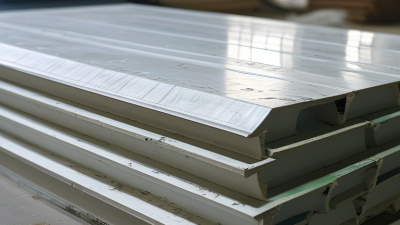
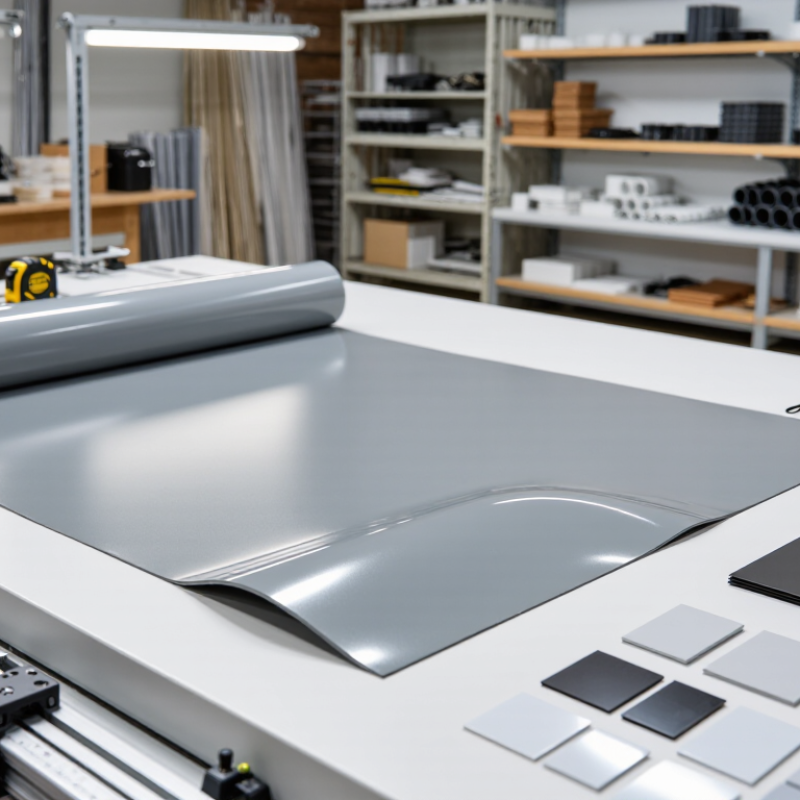
PVC Sheet is often chosen for projects that need a practical balance of weight, durability, and ease of fabrication. It can be cut, drilled, and formed with suitable tools, making it useful for signs, protective panels, displays, and interior components. A clean workshop bench shows the difference: a sheet can be measured, trimmed, and fitted without the heavy handling often required by some alternatives. Still, material choice should follow the job—not habit.

PVC sheet fabrication specialist Alex Morgan offers this practical reminder: “Choose the sheet for the conditions it will face, not just the price on the quote.” That means checking thickness, surface finish, chemical exposure, temperature range, and expected impact before ordering. A glossy sample may look ideal under showroom lights, yet scratch or warp in a demanding setting. Details matter. Ask suppliers for current product data, and test a sample where appearance or fit is critical. PVC grades vary, and not every sheet suits every environment.

This guide will explore the advantages of PVC sheets, common applications, and factors to compare before purchase. It will also consider limitations, including heat sensitivity and differences between grades. Those trade-offs deserve attention. A material can be easy to work with and still be the wrong choice for one specific installation. Careful selection helps reduce waste, avoid rework, and produce a result that performs as intended.
Why Choose PVC Sheets for Your Project?

What PVC Sheets Are and How They Are Made

PVC sheets are flat panels made from polyvinyl chloride, a thermoplastic that softens when heated and hardens as it cools. The word “PVC” can sound like one fixed material. It isn’t. Manufacturers blend PVC resin with additives to suit the intended use. Stabilizers help manage heat during processing, while pigments create color and impact modifiers can improve toughness. Flexible grades may include plasticizers; rigid sheets generally use a different formulation.

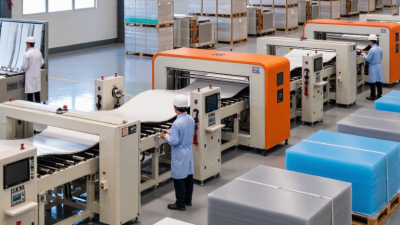
Most sheets are formed by extrusion or calendering. In extrusion, a heated blend is pushed through a shaped opening, then cooled into a continuous sheet. Calendering presses softened material between rollers, helping create an even thickness and smooth surface. Temperature and roller settings matter: small variations can affect appearance, dimensions, and consistency. Small differences matter.

After forming, sheets may be trimmed, textured, or given a protective surface layer. A clean, smooth edge is useful when panels need machining or close-fitting joints, though the right finish depends on the application. When comparing products, check thickness, surface quality, and whether the stated properties match your conditions. A sheet that looks solid on a sample may behave differently across a larger panel. That detail is easy to overlook.
Why Choose PVC Sheets? What PVC Is Made Of

PVC (polyvinyl chloride) is made by polymerizing vinyl chloride monomers. The chart shows the calculated elemental mass composition of a pure PVC repeat unit (C₂H₃Cl), not a finished sheet. Commercial PVC sheets may also contain additives such as stabilizers, pigments, or plasticizers, and are commonly formed by extrusion or calendering.

Common Types of PVC Sheets

Rigid PVC sheets are dense, firm, and easy to cut into panels, guards, and lightweight enclosures. Their smooth surfaces are simple to wipe clean. Good for straightforward jobs. However, rigid sheets can crack under sharp impacts, especially near drilled holes. Leave enough space around fasteners, and check the sheet’s stated temperature range before installation.

Foam PVC sheets have a lightweight, slightly cellular core, making them useful for displays, signs, and interior fittings. They are easy to shape, but they may dent more readily than solid sheets.

Flexible PVC sheets bend around curves and suit protective covers or curtains. Clear PVC sheets allow light through, though scratches and haze can affect visibility over time.

Each type has limits. Match thickness and grade to the actual load, exposure, and cleaning routine. A common oversight is choosing by appearance alone; the right sheet may still disappoint if its edges, supports, or working conditions are overlooked.

Key Properties of PVC Sheets

PVC sheets combine low weight with useful strength, making them easier to carry and cut than many solid panels. Their smooth surface wipes clean with a damp cloth, while the material resists moisture and many common acids and alkalis. Resistance depends on the chemical, its concentration, and exposure time, so check compatibility before specifying a sheet.

They are practical for wall linings, guards, signs, and indoor enclosures. A fine-tooth saw can produce clean edges, though slow cutting helps prevent heat buildup and roughness. PVC also provides electrical insulation and reduces heat transfer compared with some metals.

Not a cure-all.

Sheets can expand with temperature changes, soften under sustained heat, and become less suitable after prolonged outdoor exposure unless formulated for it. I would leave room for movement in a fitted panel; tight edges can buckle on a warm day.

Thickness, support spacing, and the intended environment all affect performance, so a small trial cut or sample can reveal issues before installation.

Typical Applications of PVC Sheets

PVC sheets are used in shop signs, display boards, interior panels, and workshop guards. Their smooth surface takes printed graphics well, while rigid grades can be cut into clean shapes for lettering or small enclosures. For a sign beside a busy doorway, a wipeable face can be more useful than a decorative finish.

In kitchens, utility rooms, and commercial interiors, PVC panels may serve as wall cladding where easy cleaning matters. They can also line cabinets or protect work surfaces from splashes. In workshops, thicker sheets are sometimes fabricated into covers and dividers. The right choice depends on the sheet’s thickness, finish, and grade. That matters.

Foam PVC is light and easy to machine, so it suits temporary displays and lightweight signs. Solid PVC is denser and may handle impacts better, though it is not indestructible. Not every sheet. Outdoor exposure, heat, fire requirements, and chemical contact can limit where a particular grade is appropriate. Check the product specifications before cutting or installing it; a sheet that works indoors may warp or fade outside. There is no single PVC sheet for every job, and that distinction is easy to overlook.

Why Choose PVC Sheets for Your Project? — Typical Applications of PVC Sheets

Typical Application Common PVC Sheet Type Why PVC May Be Suitable Key Selection Considerations
Signs, displays, and exhibition panels Rigid solid sheet or expanded PVC sheet Available in smooth surfaces that can be cut, printed, and fabricated for many display uses. Check the required stiffness, surface finish, print compatibility, and whether the sign will be used indoors or outdoors.
Wall cladding and interior lining Rigid PVC sheet or PVC wall panel Offers a cleanable surface and can be used as a lining in areas where moisture resistance is useful. Choose a product intended for the location; account for fixing method, expansion, fire requirements, and cleaning chemicals.
Fabricated tanks, ducts, and equipment housings Rigid PVC sheet Can be cut and welded into fabricated components, and some grades have useful resistance to particular chemicals. Confirm chemical compatibility, operating temperature, sheet thickness, joint method, and the design load with the supplier.
Protective covers and machine guards Rigid PVC sheet; clear grades where visibility is needed Can be fabricated into covers and guards, with opaque and transparent options available. Verify impact performance, transparency, temperature limits, and whether the material meets the relevant machinery-safety requirements.
Electrical enclosures and insulation components Rigid PVC sheet in an appropriate electrical grade PVC is an electrical insulator and is used in some enclosure and component applications. Use material with the required electrical ratings and check applicable fire, temperature, and regulatory specifications.
Packaging inserts and formed trays Formable PVC sheet Some PVC sheet grades can be thermoformed into trays, inserts, and protective packaging. Confirm forming requirements, product-contact rules, and whether another material is required for the intended packaging use.
Flexible curtains, liners, and protective membranes Flexible PVC sheet Flexible formulations can bend and drape, making them useful for certain covers and partitioning applications. Check flexibility at the expected temperature, thickness, chemical exposure, and any required fire or hygiene standards.
Workshop templates and general fabrication parts Rigid PVC sheet or expanded PVC sheet Can be sawn, drilled, and routed using suitable fabrication methods and tools. Allow for machining tolerances and confirm that the grade and thickness suit the part's strength and service conditions.

PVC sheet properties vary by formulation, grade, thickness, and manufacturing method. Confirm product specifications and applicable safety or regulatory requirements before selecting material for a specific project.

Factors to Consider When Choosing PVC Sheets

Why Choose PVC Sheets for Your Project?

Factors to Consider When Choosing PVC Sheets

Start with the job, not the price. A rigid PVC sheet for a clean indoor panel may not suit an outdoor sign exposed to sun and rain. Check thickness, sheet size, impact strength, operating temperature, and chemical contact. Ask for a technical data sheet and confirm its test conditions; figures can vary between grades. Small details matter. Plastics Europe’s Plastics – the Fast Facts 2024 report puts global plastics production at 413.8 million tonnes in 2023. That industry scale makes it sensible to ask suppliers about material traceability and end-of-life options, not just availability.

Fabrication also affects your choice. If the sheet will be drilled or cut, confirm its machining guidance and allow for clean edges and secure support. For exposed applications, ask about UV resistance and expected color stability. Compare fire-performance documentation against the project specification rather than assuming all PVC sheets behave alike. I once underestimated installation conditions; a good material can still disappoint when its support or finish is wrong.

Tips: Get a sample and test it in the actual environment. Check the batch tolerance, surface finish, and storage requirements before ordering. Measure twice. A low-cost sheet may need replacement sooner, but service life depends on grade, installation, and exposure.