Leave Your Message

Why Choose Plastic Sheet for Packaging and Manufacturing?

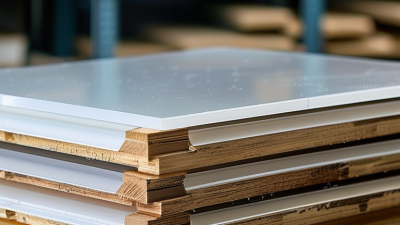
Why Choose Plastic Sheet for Packaging and Manufacturing? The answer begins with practical performance. In warehouses, workshops, and production lines, this material offers a clean, consistent surface for many applications. It can protect products from dust, moisture, scratches, and routine handling damage. Thin sheets may wrap components, while thicker grades can form rigid covers, trays, panels, and dividers.

It is easy to handle. It can also be cut, folded, thermoformed, printed, or sealed, depending on its polymer type and thickness. These options help manufacturers reduce unnecessary assembly steps. A clear sheet can display packaged goods without opening the container. A colored or opaque sheet can improve privacy, branding, or light protection. In my experience, accurate thickness selection often matters more than appearance. Small differences can affect flexibility, impact resistance, weight, and machine performance.

Plastic Sheet is not a perfect material. Its environmental impact depends on resin choice, service life, recycling systems, and disposal practices. That assumption deserves scrutiny. Responsible buyers should request technical data, test samples, and supplier documentation before large orders. Food-contact, medical, electrical, and industrial uses may require specific compliance evidence. Performance can vary between suppliers, even when products share the same general name. Reliable decisions come from comparing measurable properties, not relying on attractive claims. The best choice balances protection, manufacturability, cost, workplace safety, and realistic end-of-life planning. Sometimes, a cheaper sheet creates more waste through breakage. That detail is easy to miss.
Why Choose Plastic Sheet for Packaging and Manufacturing?

What Is Plastic Sheet and How Is It Used?

Why Choose Plastic Sheet for Packaging and Manufacturing?

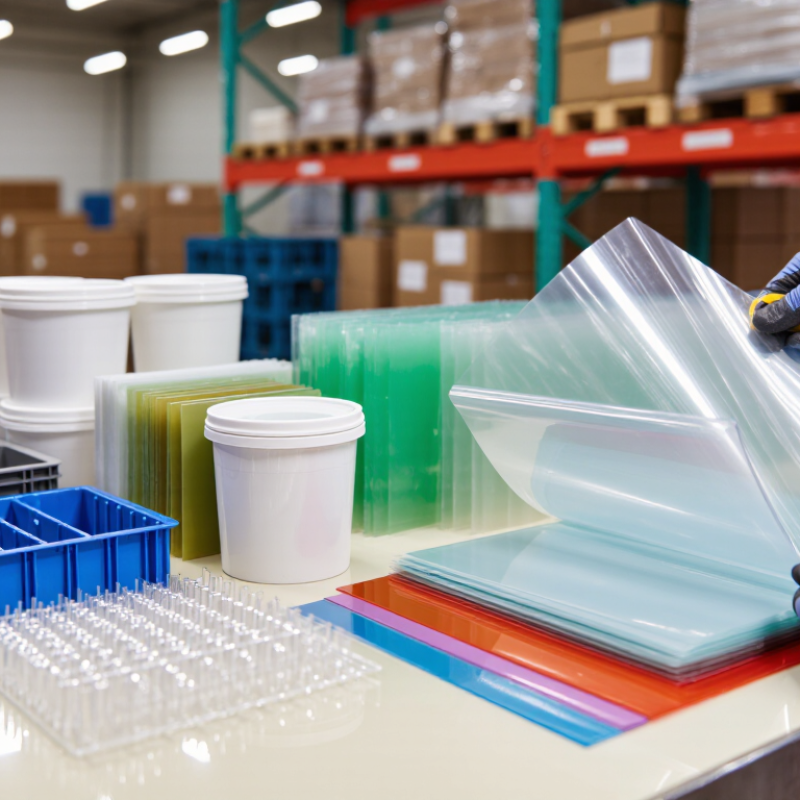
Plastic sheet is a flat, continuous material made from polymers such as polyethylene, polypropylene, or polycarbonate. It is available in many thicknesses, colors, textures, and levels of transparency. This flexibility makes it useful for packaging, machine guards, storage bins, partitions, and fabricated components.

In packaging, plastic sheet can protect products from moisture, dust, impact, and handling damage. A clear sheet helps customers inspect the contents without opening the package. Thicker grades can support trays, dividers, and reusable containers. In manufacturing, sheets can be cut, bent, drilled, welded, or thermoformed. A workshop may turn one sheet into a custom cover with clean edges and accurate openings.

The material also offers consistent dimensions and relatively low weight. This can reduce handling effort during assembly and transport. However, choosing a sheet requires more than comparing price. Temperature, chemical exposure, sunlight, stiffness, and intended contact conditions all matter. A sheet that performs well indoors may become brittle outdoors. That detail is easy to miss.

Recycled content can support resource efficiency, but it may affect color or surface uniformity. Food or medical applications also require verified material specifications. I would test a sample before approving a large order. It is a small step, but real production conditions often reveal problems that drawings cannot.


Key Properties That Support Packaging and Manufacturing

Why Choose Plastic Sheet for Packaging and Manufacturing?

Key Properties That Support Packaging and Manufacturing

Plastic sheet combines practical strength with controlled flexibility. Its low weight can reduce handling effort, shipping volume, and workplace strain. It stays stable. Many grades resist moisture, mild chemicals, and repeated impact during storage. These properties help protect components from dust, scratches, and uneven warehouse conditions.

In packaging production, clear or opaque sheet supports product visibility and consistent presentation. Its smooth surface also allows clean cutting, folding, sealing, and thermoforming. Manufacturers can select different thicknesses for trays, covers, partitions, and protective inserts. A thicker sheet may prevent bending, while a thinner option can lower material use. Details matter. During production checks, operators should inspect edges, surface marks, and dimensional accuracy. Small variations can affect fitting and sealing.

Plastic sheet is not a perfect answer for every application. Excess heat may cause warping, and unsuitable chemicals can weaken the surface. I would not approve a material based on appearance alone. Testing should include temperature exposure, impact, moisture, and actual handling conditions. Recyclability also depends on the resin type, additives, cleanliness, and local recovery systems. That part is often overlooked. A responsible specification records the material grade, thickness, tolerances, and intended use. Reviewing these details with production and quality teams can prevent expensive changes after tooling begins.

Why Choose Plastic Sheet for Packaging and Manufacturing? - Key Properties That Support Packaging and Manufacturing
Key Property Typical Performance Packaging Advantages Manufacturing Advantages Common Applications
Low Density Approximately 0.90–1.45 g/cm³, depending on polymer type Reduces package weight and transportation costs while maintaining useful protection. Supports lightweight panels, guards, housings, liners, and fabricated components. Containers, trays, protective covers, machine guards, and interior panels
Moisture Resistance Most common sheet polymers absorb very little water compared with paper, wood, and many natural materials. Helps protect contents from humidity, splashes, and short-term water exposure. Suitable for washdown areas, damp environments, reservoirs, liners, and partitions. Food packaging, bathroom products, storage bins, and equipment liners
Impact Resistance Polyolefin sheets can provide high resistance to cracking and impact; performance varies with thickness and temperature. Helps reduce damage caused by drops, vibration, stacking, and routine handling. Improves durability of guards, crates, pallets, machine covers, and transport components. Returnable packaging, shipping protection, tool cases, and safety barriers
Chemical Resistance Polyethylene and polypropylene generally resist many acids, alkalis, salts, and aqueous chemicals. Protects packaged goods from moderate chemical contact and contamination. Useful for chemical tanks, laboratory surfaces, process liners, and fabricated containers. Chemical packaging, industrial bins, tank linings, and laboratory equipment
Formability Thermoplastic sheets can be heated and formed through vacuum forming, thermoforming, bending, or welding. Enables shaped trays, protective inserts, clamshells, and custom-fit packaging. Allows efficient production of complex covers, ducts, enclosures, and component housings. Retail trays, instrument covers, automotive parts, and equipment housings
Machinability Many plastic sheets can be cut, drilled, routed, milled, sawed, and CNC machined using suitable tooling. Supports fast customization of package sizes, openings, partitions, and prototypes. Enables precise fabrication without specialized metal-forming equipment. Prototype parts, custom packaging, jigs, fixtures, and replacement components
Thermal Insulation Typical thermal conductivity is approximately 0.15–0.50 W/m·K, depending on material and structure. Can reduce heat transfer and help maintain more stable internal package conditions. Provides useful separation from heat sources and supports insulating panels and covers. Cold-chain components, appliance parts, protective housings, and partitions
Electrical Insulation Many plastic sheets offer high electrical resistivity when dry and properly selected for the application. Helps isolate packaged electrical or electronic components from contact and short circuits. Useful for barriers, covers, spacers, terminal supports, and nonconductive fixtures. Electrical enclosures, switchgear barriers, electronic packaging, and spacers
Surface Cleanability Nonporous surfaces can be wiped, washed, and sanitized more easily than porous materials. Supports hygienic packaging and helps reduce absorption of spills and odors. Suitable for cleanroom partitions, work surfaces, food-processing components, and liners. Food handling, medical packaging, laboratory areas, and clean manufacturing
Corrosion Resistance Plastic sheets do not rust and generally withstand atmospheric moisture better than untreated metals. Maintains package appearance and function in humid or corrosive environments. Reduces maintenance needs for covers, ducts, housings, and structural liners. Marine equipment, outdoor enclosures, processing plants, and storage systems
Design Flexibility Available in different thicknesses, colors, textures, transparencies, and surface finishes. Supports product visibility, tamper-resistant designs, color coding, and visual presentation. Allows components to be tailored for appearance, safety, identification, and assembly. Display packaging, safety covers, machine panels, and identification systems
Recyclability Potential Many single-polymer sheets, including polyethylene and polypropylene, can be mechanically recycled where collection systems exist. Can support waste reduction when packaging is designed for reuse or material recovery. Offcuts and production scrap may be segregated and recycled, subject to contamination and local facilities. Reusable transport packaging, industrial sheets, crates, and production offcuts
Service Temperature Range Depends strongly on polymer type, grade, loading, and exposure time; common thermoplastics cover broad operating ranges. Enables selection for ambient, refrigerated, or moderately heated packaging conditions. Supports application-specific choices for indoor, outdoor, cold, and process environments. Cold storage, equipment covers, process components, and outdoor packaging
Note: Values are typical industry ranges and general performance characteristics. Actual results depend on polymer grade, sheet thickness, additives, processing method, temperature, chemical concentration, loading, and exposure time. Material compatibility and regulatory requirements should be verified for each application.

Common Plastic Sheet Types and Their Applications

Plastic sheet is chosen for packaging and manufacturing because it combines low weight, clean surfaces, and adaptable performance. In a workshop, a sheet can be cut, drilled, bent, or thermoformed with relatively simple equipment. The correct type matters more than the lowest price.

Polyethylene sheet is flexible, moisture-resistant, and useful for liners, protective packaging, and chemical storage areas. High-density polyethylene offers greater stiffness for trays, cutting surfaces, and fabricated tanks. Polypropylene handles repeated bending well, so manufacturers use it for living hinges, containers, and laboratory components. It also resists many acids and cleaning agents, though temperature limits still require checking.

Clear packaging often uses PETG or acrylic sheet. PETG bends easily and suits display covers, guards, and formed packaging. Acrylic provides strong light transmission for signs, windows, and product showcases, but it can crack under sharp impact. Polycarbonate is a better choice for impact-resistant machine guards and protective panels. It costs more. That trade-off is easy to overlook.

PVC sheet supports ducts, partitions, and corrosion-resistant fabrication. Its rigidity and chemical resistance are useful, but heat exposure can change its behavior. Always confirm thickness, operating temperature, impact needs, and chemical compatibility with technical data. I have seen a clear sheet appear perfect during assembly, then scratch badly during transport. Packaging design needs real handling tests, not visual confidence alone. Surface finish, edge quality, and moisture exposure deserve attention too. Some material choices still require revision after production trials.

Benefits of Plastic Sheet Compared with Alternative Materials

Why Choose Plastic Sheet for Packaging and Manufacturing?

Plastic sheet often outperforms glass, metal, and paperboard when weight, moisture resistance, and fabrication speed matter. A 3-millimeter sheet can protect components without adding excessive mass to a shipping carton. It can also be cut, thermoformed, drilled, or welded with common manufacturing equipment.

Weight matters. OECD data reports that global plastic production reached 460 million tonnes in 2019, with packaging representing about 40% of use. This scale reflects strong demand for lightweight protection, though it also exposes serious waste challenges.

Compared with glass, plastic sheet is less likely to shatter during transport. Compared with metal, it resists corrosion and usually requires less forming energy. Compared with untreated paperboard, it performs better around water, oils, and repeated handling.

The UNEP report Turning off the Tap identifies packaging as responsible for roughly 36% of global plastic production, showing why material efficiency deserves close attention. In production trials, clear sheet can improve product visibility, while opaque grades can shield light-sensitive contents.

Scratches still matter. Plastic is not automatically the best choice; poor thickness selection can create warping, excess waste, or weak corners. Designers should review recycled content, service temperature, end-of-life routes, and the real protection required. Data sheets help, but field testing reveals problems that calculations miss.

Important Factors for Selecting Plastic Sheet for Each Use Case

Choosing plastic sheet starts with the use case, not color or the lowest quote. A rigid cover needs impact strength, dimensional stability, and clean edges. A thermoformed tray needs controlled softening and consistent thickness. Outdoor panels require ultraviolet resistance and temperature stability. Ask for test data, not broad claims. ASTM D256, D638, and D790 support impact, tensile, and flexural comparisons. Test conditions must match actual service. A sheet can pass one test yet crack around a drilled hole.

Packaging changes the priorities. PlasticsEurope’s Plastics—The Fast Facts 2023 reports that packaging represented about 40% of European plastics converter demand in 2022. The OECD Global Plastics Outlook reports 460 million tonnes of global plastic production in 2019, with only 9% of plastic waste recycled. These figures make material efficiency and recovery planning practical concerns. Prefer mono-material construction when performance permits. Confirm whether coatings, labels, and adhesives hinder recycling. Recycled content may reduce virgin material use, but color and impact strength can vary. “Recyclable” is not automatic proof of local recovery.

Manufacturing buyers should check flatness, moisture sensitivity, processing temperature, and thickness tolerance. A thin sheet cuts faster, yet may warp near heat. A thicker sheet improves protection, but adds weight and cost. Request lot traceability and certificates. Then test a small production batch. Do not skip it. Static buildup is another overlooked issue near dust-sensitive assembly. Specifications should name surface finish, service temperature, cleaning chemicals, and inspection methods. Over-specification remains possible. It can waste money, too.