Top Plastic Sheet Types for 2026 What to Consider?
In 2026, the demand for various types of plastic sheets is expected to surge. Industry reports show that the global plastic sheet market will reach $30 billion by 2026. This growth stems from applications in construction, packaging, and automotive sectors. Companies are looking for materials that offer flexibility and durability.
Plastic sheets are versatile. They come in many types, including polycarbonate, acrylic, and PVC. Each type has its unique properties and applications. For instance, polycarbonate sheets are known for their impact resistance. Conversely, acrylic sheets are appreciated for their clarity. Professionals must consider these characteristics when selecting materials for their projects.
While the market offers exciting options, challenges exist. Data suggests that recycling of plastic sheets is still inadequate. Environmental concerns weigh heavily on the industry. Selecting the right plastic sheet not only impacts performance but also sustainability. Companies must strive for transparency and innovation to address these issues effectively.

Top Plastic Sheet Types for 2026
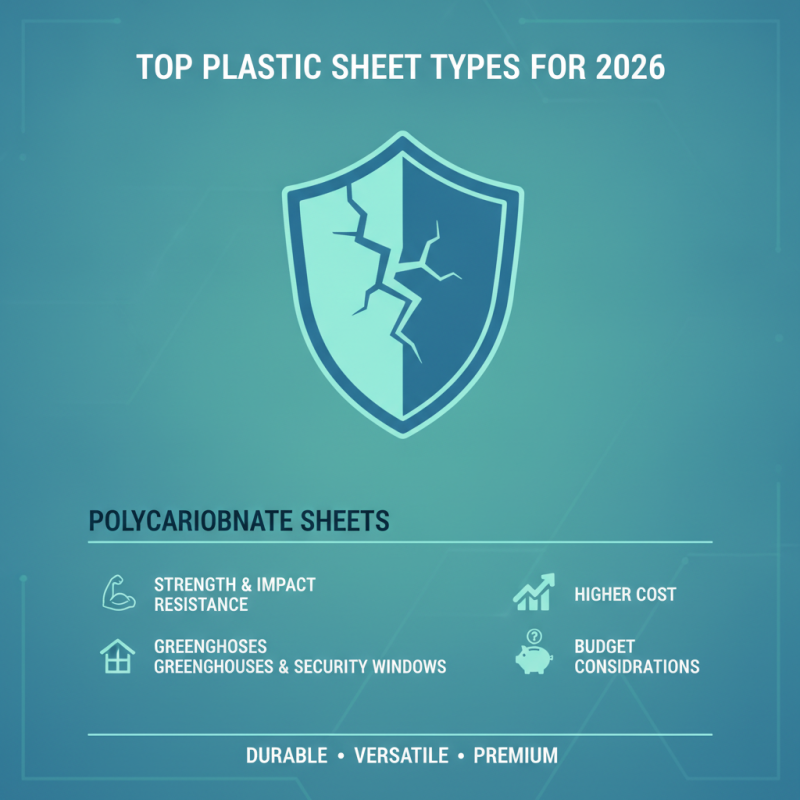
When exploring plastic sheet types for 2026, several options stand out. Polycarbonate sheets are known for their strength and impact resistance. They suit various applications, from greenhouses to security windows. This durability makes them popular among architects and builders. However, they can be more expensive than alternatives, so budget considerations are essential.
Acrylic sheets are another versatile option. They offer excellent clarity and are lightweight. These sheets can mimic glass while being more resistant to shattering. Acrylic is often used in signage and displays but can scratch easily. It’s crucial to evaluate where you plan to use them.
PVC sheets provide a cost-effective alternative for various projects. They are lightweight, easy to cut, and resistant to moisture. You might find them used in construction and signage. Yet, their strength may not match that of polycarbonate. This could pose a challenge under heavy loads. Each type of plastic sheet has unique characteristics that may suit different needs and budgets. Careful consideration helps in making an informed choice.
Key Factors to Consider When Choosing Plastic Sheets
When choosing plastic sheets for various applications, several key factors play a critical role. Understanding the properties of each type is essential. According to a market report by Smithers Pira, global consumption of plastic sheets is expected to reach 200 million metric tons by 2026. Each plastic type—acrylic, polycarbonate, and PVC—offers distinct benefits and limitations.
Acrylic sheets are valued for their clarity and UV resistance, making them ideal for outdoor use in signage and displays. However, they are prone to scratching, which can diminish their aesthetic appeal.
Polycarbonate sheets provide superior impact resistance, which is essential in security and safety applications. Still, they can yellow over time, impacting their long-term usability. Additionally, the choice of thickness and surface finish can greatly affect performance and durability, yet many buyers overlook these details, leading to suboptimal selections.
Cost is another consideration in decision-making. While lower-cost options may feel economical upfront, they often lack longevity. A report from Plastics News indicates that high-quality plastic sheets can reduce replacement costs by up to 30% over five years. Nevertheless, the upfront investment may deter some. Careful evaluation and expert consultation can help navigate these challenges and guide consumers toward making informed decisions aligned with industry standards.
Comparative Overview of Popular Plastic Sheet Materials
Plastic sheets are widely used in various industries. Each type has unique characteristics that determine its suitability. The most common types include acrylic, polycarbonate, PVC, and PET.
Acrylic sheets are lightweight and transparent. They offer excellent clarity and weather resistance. However, they can scratch easily and may not be the best choice for high-impact applications. Polycarbonate sheets, on the other hand, are known for their durability and impact resistance. They can withstand extreme conditions, but they tend to yellow over time.
PVC sheets are versatile and cost-effective. They resist moisture and chemicals, making them ideal for construction and signage. However, they are less rigid compared to acrylic and polycarbonate. PET sheets are another option, appreciated for their recyclability. They are a great choice for eco-conscious projects but may lack the strength found in polycarbonate. Each material has advantages and drawbacks, making careful consideration essential.
Impact of Industry Trends on Plastic Sheet Selection
The landscape of plastic sheet selection is evolving rapidly. Industry trends shape the materials and functionalities desired by consumers. Sustainability is a significant driver in this trend. Manufacturers are increasingly seeking eco-friendly alternatives that reduce environmental impact. This shift reflects consumer preferences for recycled and biobased materials.
Moreover, technological advancements in production techniques enhance the performance of various plastic sheets. Enhanced UV resistance, durability, and clarity are now prevalent features. These features impact industries like construction, packaging, and automotive, which demand high-performance materials. However, there is a challenge in balancing cost and quality. Sometimes, cheaper options may lack the requisite durability or strength.
Customization is also becoming crucial. Businesses require tailored solutions for specific applications. This leads to an increase in specialized types of plastic sheets, but it can complicate the selection process. Companies must weigh their options carefully. Identifying the best fit for their needs may require more research and testing than anticipated. Adaptability is essential in making informed choices.
Top Plastic Sheet Types for 2026
This chart illustrates the projected demand for various types of plastic sheets in 2026. As industry trends evolve, the demand for materials such as Polycarbonate and Acrylic is expected to dominate the market, reflecting shifts in application science and consumer needs.
Sustainability Considerations in Plastic Sheet Production
Sustainability has become crucial in the plastic industry. As we approach 2026, the focus on eco-friendly production methods is intensifying. Many manufacturers are seeking alternatives to traditional plastic sheets. Biodegradable options are gaining traction. These materials break down more easily in the environment, reducing long-term waste.
The process of creating plastic sheets can be resource-intensive. Many producers are now prioritizing recycled materials. This shift not only lowers the carbon footprint but also reduces reliance on virgin plastics. More transparency in sourcing materials can enhance consumer trust. However, challenges remain in ensuring quality while maintaining sustainability.
While strides are being made, not all biodegradable plastics are equally effective. Many still require specific conditions to decompose. Education in this area is vital for both consumers and manufacturers. Understanding the lifecycle of plastic sheets can aid in responsible choices. It's about balancing functionality with environmental responsibility, which can be complex yet necessary.