Leave Your Message

Why Choose Composite Decking for Global Projects?

Choosing Composite Decking for global projects requires more than comparing color charts. It means studying climate, transport routes, installation skills, and long-term maintenance expectations. A board exposed to tropical rain behaves differently from one facing dry, freezing winters. Small details matter. Field experience shows that project schedules can change when local crews lack recommended fastening tools.

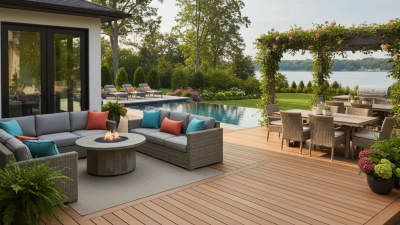
Composite Decking combines recycled or virgin polymers with wood fibers, creating a stable alternative to traditional timber. Its resistance to rot, splintering, and repeated moisture can reduce disruption around hotels, walkways, schools, and waterfront facilities. Yet performance is never automatic. Engineers should verify slip ratings, fire classifications, drainage details, thermal movement, and regional product certifications. A dark board beside a sunlit pool may become uncomfortable underfoot. That detail is easy to miss. Suppliers should provide installation manuals, test data, warranty terms, and transparent information about material content.

For international procurement, consistent quality matters as much as appearance. Factory controls, batch tracking, packaging protection, and replacement support can protect remote installations from costly delays. Local standards still govern. A product accepted in one market may need additional documentation elsewhere. Responsible selection also considers recycled content, expected service life, end-of-life options, and delivery distance. Not every project needs the most expensive board. The better choice fits its environment, users, budget, and maintenance capacity. That decision deserves evidence, not assumptions.
Why Choose Composite Decking for Global Projects?

What Is Composite Decking and How Is It Made?

Composite decking is a manufactured outdoor board made from wood fibers and polymer resin. Some products also use recycled materials and small amounts of color or weathering additives. The mixture is heated, blended, and pushed through a shaped opening. This process is called extrusion. The boards are then cooled, cut, and often embossed with a wood-like texture.

Many boards include a protective outer layer. This layer can improve resistance to moisture, stains, and sunlight. However, performance depends on the formula, installation, and local climate. A deck beside a humid coast faces different demands from one in a dry, cold region. From practical site reviews, I have found that drainage and ventilation matter as much as board quality. Composite decking is low-maintenance, not maintenance-free. It can still collect dirt, show scratches, or expand slightly with temperature changes.

Tips: Check the product’s technical data before specifying it. Confirm slip resistance, fire performance, expansion gaps, and permitted fixing methods. Let boards acclimate when required. Keep the frame level and provide clear airflow beneath the deck. Small installation errors can become visible after seasonal movement. Also, request material samples outdoors. Printed colors can look different under strong sunlight. No composite formula is perfect, and project teams should question vague durability claims.

Which Performance Features Matter in Global Projects?

Why Choose Composite Decking for Global Projects?

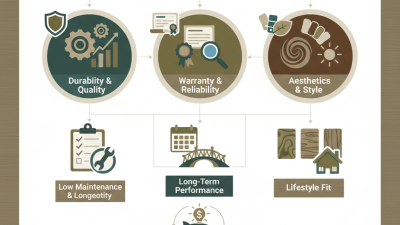
Which Performance Features Matter in Global Projects?

Composite decking must perform beyond a showroom sample. On projects in coastal cities, I look closely at moisture absorption, salt exposure, and drainage. Boards should resist swelling and decay, but no material is maintenance-free.

Temperature changes can create movement. A deck installed in a cool warehouse may expand under strong summer sun. Clear expansion gaps, stable substructures, and accurate installation guidance matter. Slip resistance is also important around hotels, schools, pools, and public walkways, especially after rain. Surface texture helps, but dirt and algae can still reduce grip.

Fire performance deserves careful review. Project teams should check tested classifications and local building requirements before specifying a product. Independent test reports, technical data, and batch consistency support more reliable decisions. UV resistance can protect color, although gradual fading remains possible. That detail is often underestimated.

Logistics matter too. Global projects may face long shipping routes, different lifting equipment, and limited replacement stock. Standard lengths can simplify handling, while clear installation manuals reduce site errors. I have seen attractive materials underperform because installers lacked practical guidance. That is a weakness worth acknowledging.

Lifecycle performance should include cleaning needs, repair options, and expected service conditions. A low-maintenance surface may still require seasonal washing and periodic inspections. Comparing these details across climates creates a fairer specification. Performance is not one number. It is the daily result of material quality, design, installation, and local care.

How Does Composite Decking Adapt to Different Climates?

Composite decking is increasingly considered for global projects because it handles changing weather with fewer routine coatings. Climate adaptation, however, depends on design, installation, and local exposure.

The IPCC Sixth Assessment Report states that global surface temperature reached about 1.09°C above 1850–1900 levels during 2011–2020. It also reports heavier precipitation in many land regions. Composite boards resist moisture better than untreated timber, but they are not waterproof in every situation. Proper substructure drainage remains essential.

In hot regions, dark surfaces can become uncomfortable under direct sun. Expansion gaps must follow the product’s tested installation range. ASTM D7032 evaluates composite decking for structural performance, moisture effects, freeze-thaw conditions, and weathering.

In coastal areas, salt, wind-driven rain, and sand can accelerate surface wear. In cold climates, trapped water may freeze and stress connections. Field installers often see failures caused by poor ventilation, not the board itself. That distinction matters.

Tips: Check local temperature records, rainfall patterns, and UV exposure before choosing colors or profiles. Keep joists level and provide clear airflow beneath the deck. Wash away salt and organic debris regularly. Use compatible fasteners, and never assume one spacing rule fits every climate. I would also allow a little more inspection time than the project schedule suggests. Real sites are rarely perfect.

What Should Buyers Consider When Comparing Global Suppliers?

Global buyers should compare more than color, profile, and quoted price. A supplier’s test evidence matters. Ask for moisture uptake, slip resistance, flexural strength, and fire-performance results. ASTM D7032 provides evaluation guidance for wood-plastic composite decking. Confirm whether the reports cover the exact production profile, not an older sample.

Supply reliability needs equal attention. Request production capacity, minimum order quantities, packaging dimensions, and realistic lead times. Check whether the supplier can provide batch numbers and replacement procedures. A container delayed at port can cost more than a small unit-price difference. I learned this the hard way. Trade terms, customs documents, and destination testing should be agreed before payment.

Environmental claims require careful comparison. The OECD reported 353 million tonnes of plastic waste in 2019, while only 9% was recycled. Ask for recycled-content evidence, chain-of-custody records, and an Environmental Product Declaration when available. ISO 14025 supports credible Type III environmental declarations. The 2022 Global Status Report for Buildings and Construction found that buildings and construction created 37% of global energy-related and process CO2 emissions in 2021. That makes material transparency increasingly important. A perfect comparison rarely exists. Some supplier data will remain incomplete, so buyers should record assumptions and verify them independently.

How Is Composite Decking Installed and Maintained Worldwide?

Why Choose Composite Decking for Global Projects?

How Is Composite Decking Installed and Maintained Worldwide?

Composite decking performs best when installation respects local climate and construction practice. Experienced installers begin by checking ground conditions, drainage, temperature changes, and applicable building requirements. A level, stable substructure is essential. Joists need correct spacing, firm supports, and enough ventilation beneath the boards. Installers also leave expansion gaps around edges and between board ends. These gaps may look generous at first, but they help manage movement during hot or humid weather.

On large international projects, small details matter. Fixings should resist local moisture and corrosion risks. Cut edges need careful treatment where the system requires it. Uneven joists can create soft spots, visible lines, or unwanted movement. This is where planning sometimes falls short. Even a skilled team may need to adjust spacing after reviewing actual site conditions.

Tips: Sweep away leaves regularly, especially near drainage channels. Clean spills with mild soap and water. Avoid harsh chemicals and abrasive tools. Inspect fasteners, gaps, and support points twice yearly. Coastal sites may need more frequent washing because salt deposits collect quickly. After severe storms, check for movement or trapped debris. Maintenance is simple, but it is not automatic. Good records also help owners identify repeated issues across different climates and installation teams.

Why Choose Composite Decking for Global Projects? - How Is Composite Decking Installed and Maintained Worldwide?
Project Environment Key Installation Considerations Typical Joist Spacing Movement and Expansion Control Routine Maintenance Common Performance Benefit
Temperate regions
Moderate seasonal temperature changes
Install over a level, well-drained substructure. Keep boards straight and use corrosion-resistant fasteners suitable for outdoor exposure. Generally up to 400 mm on center for residential decking; closer spacing may be required for heavier loads or diagonal layouts. Allow the end and side clearances specified for the selected decking system. Leave open airflow below the deck. Sweep regularly; wash with water and a mild household cleaner when dirt or organic debris accumulates. Consistent appearance, low repainting requirements, and resistance to ordinary moisture exposure.
Hot and sunny climates
High solar exposure and elevated surface temperatures
Provide adequate ventilation beneath the deck and avoid trapping heat against walls. Use a layout that permits drainage and inspection. Typically 300–400 mm on center, depending on board profile, load requirements, and the installation instructions. Thermal movement must be considered at board ends, perimeter edges, and fixed structures. Do not install boards tightly against walls. Remove dust, leaves, and spilled liquids promptly. Use outdoor rugs or furniture pads carefully because heat can build up beneath them. No routine staining or painting is normally required, helping reduce long-term maintenance work.
Cold and snowy climates
Freeze-thaw cycles and winter precipitation
Build on a stable, frost-appropriate foundation and maintain positive drainage. Avoid blocking gaps with compacted snow or ice. Often up to 400 mm on center; tighter support may be advisable where snow loads or heavy-use requirements are high. Preserve drainage gaps during installation and after snow removal. Use plastic shovels rather than metal tools to reduce surface damage. Clear leaves before winter, remove snow carefully, and inspect fasteners and the substructure after the freeze season. Reduced need for seasonal refinishing and good suitability for areas exposed to repeated wetting and drying.
Coastal and marine areas
Salt air, wind-driven moisture, and high humidity
Use a structurally protected frame, stainless or appropriately rated corrosion-resistant hardware, and details that prevent standing water. Commonly 300–400 mm on center, subject to local structural design and the decking system’s span table. Maintain open side and end gaps so salt, sand, and water do not accumulate between boards. Rinse periodically with fresh water to remove salt deposits. Clean sand and organic matter from gaps and drainage paths. Composite boards do not normally require oil-based sealing, while the supporting frame still needs corrosion inspection.
Tropical and high-rainfall regions
Heavy rain, humidity, and rapid biological growth
Prioritize ventilation, drainage, and clearance from soil. Use a substructure designed for persistent humidity and local loading conditions. Usually 300–400 mm on center; closer spacing may improve stiffness in high-traffic or commercial applications. Keep all drainage channels clear and provide perimeter clearance. Allow for moisture-related movement in the supporting frame. Wash as needed to control algae, mildew, and mud. Do not allow leaf litter or standing water to remain on the surface. Low water absorption compared with untreated timber and reduced risk of routine surface splitting or splintering.
Public, hospitality, and commercial projects
High foot traffic and frequent cleaning
Confirm fire, slip-resistance, accessibility, structural, and egress requirements with the applicable local regulations before construction. Frequently 300 mm on center or less for demanding applications, but the final spacing must follow engineering calculations and system specifications. Use movement joints and perimeter gaps appropriate to the deck size, exposure, and board length. Provide access for inspection and replacement. Schedule regular sweeping and washing; inspect high-traffic zones, fasteners, stairs, railings, drainage, and the supporting frame. Modular boards can generally be replaced individually, reducing disruption compared with replacing an entire deck surface.
Technical note: The dimensions shown are commonly used planning ranges, not universal requirements. Final joist spacing, expansion gaps, fastener selection, load capacity, fire performance, and maintenance procedures must follow the specific decking system documentation, project engineering, and local building regulations.