Top 10 Tips for Choosing the Best Wood Flooring for Your Home?
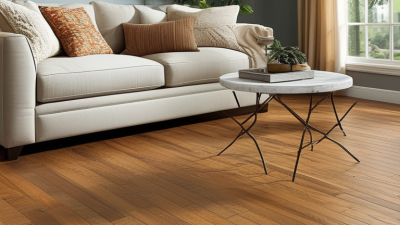
Choosing the best wood flooring for your home is crucial, as it can define your space's style and comfort. Recent industry reports indicate that wood flooring accounts for over 40% of the global flooring market. This figure reflects not only its popularity but also its perceived value in residential and commercial designs. Homeowners often seek durable and attractive flooring options, and wood flooring embodies these qualities.
However, selecting the right type can be overwhelming. With various species, finishes, and styles available, decisions may lead to regret later. A study from the National Wood Flooring Association highlights that nearly 30% of homeowners feel confused after their first purchase. Understanding the characteristics of different wood types can help mitigate this uncertainty. It's essential to analyze not only aesthetics but also factors such as maintenance and installation costs.
In a world of endless options, making an informed choice is imperative. Wood flooring can elevate your home but may require careful reflection on your lifestyle and preferences. Prioritize your needs and resources to find the perfect match. After all, every detail counts when transforming your living environment.
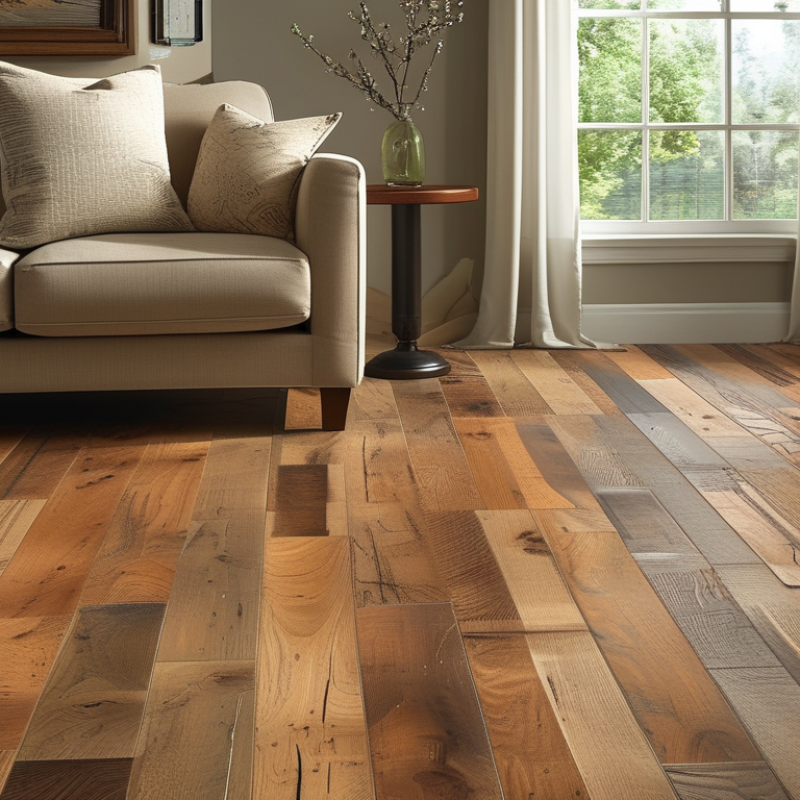
Understanding Different Types of Wood Flooring Options Available
Choosing the right wood flooring for your home requires careful consideration of the various types available. Solid hardwood flooring, while timeless, can be expensive and is sensitive to humidity. According to the National Wood Flooring Association, solid wood has a lifespan of over 100 years when properly maintained. This option is ideal for those seeking durability and classic appeal.
Engineered wood flooring presents a more versatile option. It consists of a thin layer of hardwood over a plywood base, providing greater stability in fluctuating temperatures. Research from the Wood Specialty Products Association shows that engineered wood has seen a rise in popularity, making up approximately 50% of wood flooring sales in recent years. This trend suggests a shift towards more practical solutions without sacrificing aesthetics.
Bamboo is another contender worth exploring. Though technically a grass, it's often marketed as wood due to its hard surface and eco-friendly credentials. Some reports indicate that bamboo can be 25% harder than oak, making it a resilient choice. However, the quality varies greatly, highlighting the importance of thorough research. As homeowners delve into the details, factors like suitability for the climate, maintenance needs, and pricing all come into play, shaping their ultimate choice.
Assessing Your Home's Climate and Environment for Flooring Choices
When choosing wood flooring, your home's climate plays a crucial role. If you live in a humid area, moisture resistance is essential. Species like teak or mahogany can be more stable against warping. Dry climates might require softer woods, but they can be prone to cracking. Think about the environment before making a decision.
Temperature fluctuations can impact flooring durability. Areas with extreme cold may see hardwood contract, causing gaps. Meanwhile, high heat can lead to expansion, resulting in buckling. It’s worth examining seasonal changes in your region. Are winters harsh? Does summer bring intense heat? Recognizing these factors can save you time and frustration later.
Another aspect to consider is your home’s natural light. Direct sunlight can fade some wood types, altering their color and sheen. Options like oak may withstand sun exposure better than softer woods. Evaluate your rooms regarding sunlight. Will the floors be in direct light most of the day? Understanding these challenges ensures your flooring choice complements your living spaces with both beauty and functionality.
Evaluating Durability and Maintenance Requirements of Wood Flooring
When selecting wood flooring, durability is a primary concern. Different wood species offer varying levels of hardness and resistance to wear. Hardwoods like oak and maple are well-regarded for their resilience. They can tolerate foot traffic, making them ideal for living areas. Softer woods, like pine, may dent more easily, requiring more care.
Maintenance is another crucial factor. Some finishes need regular refinishing, while others are more durable. Water-resistant options can withstand spills, but they still need protection against moisture. Regular cleaning is necessary to prevent dirt buildup. Use a soft broom or vacuum to maintain appearance. Understanding these needs helps you make a choice that fits your lifestyle.
It's vital to consider future wear and tear. A family with kids or pets might not be suited for certain finishes or softer woods. Anticipate possible scratches or dents, and consider ways to minimize them. Proper maintenance can extend the lifespan of your flooring significantly. Nevertheless, balancing aesthetics with practical needs can lead to tough decisions.
Choosing the Right Wood Species for Your Lifestyle and Aesthetics
Selecting the right wood species for flooring can dramatically transform your home’s aesthetic. Different wood types offer unique characteristics. Ash, for instance, is known for its light color and durability, making it suitable for busy households. Oak, on the other hand, has a rich grain that adds warmth. According to the National Wood Flooring Association, oak is the most popular choice, making up about 30% of wood floor sales.
Understanding your lifestyle is crucial. Families with pets might consider harder woods like hickory or maple, which are more resistant to scratches. Research indicates that an increasing number of homeowners prioritize sustainability. About 57% acknowledge the importance of responsibly sourced materials. This preference can lead to choices like bamboo, which is not only eco-friendly but also attractive with its unique look.
While aesthetics and functionality are key, some wood species require more maintenance. For instance, exotic woods like mahogany may be stunning but can be more prone to fading. Homeowners should consider natural light exposure when selecting their flooring. Dust and dirt visibility can differ significantly among wood colors. Each choice reflects a balance between style, practicality, and care thoughts.
Budgeting for Installation and Long-term Costs of Wood Flooring
When considering wood flooring for your home, budgeting is critical. Many homeowners underestimate installation costs. It's essential to get a clear estimate from professionals. Hidden expenses, like subfloor repairs or preparation, can add up quickly. Always factor in these possibilities during the budgeting phase.
Think about long-term costs as well. Quality wood flooring may have a higher upfront price but offers durability. Lower-grade materials can wear out faster, leading to replacements sooner. Regular maintenance, like refinishing, is often needed for longevity. A good rule is to choose wood that suits your lifestyle.
Here's a thought: consider the style and color of the wood. It should match your home’s interiors. What looks good now may seem dated in a few years. Choose classic designs that withstand changing trends. The right choice can save you from costly replacements in the future. Remember, investing time in planning saves money later.
Top 10 Tips for Choosing the Best Wood Flooring for Your Home
| Tip Number |
Tip |
Estimated Cost Per Square Foot |
Maintenance Cost (Annual) |
Longevity (Years) |
| 1 |
Consider the wood species |
$5 - $12 |
$100 |
40 - 100 |
| 2 |
Choose the right finish |
$1 - $3 |
$50 |
10 - 20 |
| 3 |
Assess your climate |
N/A |
N/A |
N/A |
| 4 |
Evaluate environmental factors |
N/A |
N/A |
N/A |
| 5 |
Plan for installation costs |
$4 - $8 |
N/A |
N/A |
| 6 |
Consider warranties |
N/A |
N/A |
N/A |
| 7 |
Keep resale value in mind |
N/A |
N/A |
N/A |
| 8 |
Check for eco-friendly options |
$6 - $15 |
$120 |
30 - 50 |
| 9 |
Test samples in your space |
N/A |
N/A |
N/A |
| 10 |
Consult with a flooring professional |
N/A |
$200 |
N/A |