10 Tips for Choosing the Best Composite Decking for Your Home?
When considering home improvement, composite decking emerges as a popular choice. Its durable nature combines beauty with practicality. Choosing the right type of composite decking can significantly enhance your outdoor space. However, it’s crucial to understand your options.
The market offers various composite materials, each with distinct features. Some may promise longevity but fall short in aesthetics. Others may look appealing but lack strength. It's vital to evaluate factors such as weather resistance, maintenance needs, and color options. A well-informed choice can lead to lasting satisfaction.
Investing in composite decking is not just about immediate appeal. Consider your family's lifestyle and how you'll use the space. For instance, a busy household may require more durable options. Reflect on your priorities before making a decision. Remember, quality composite decking should provide both function and style.
Understanding Composite Decking Materials and Types
Composite decking offers a blend of beauty and durability. Understanding the materials used is essential. Most composite decks are made from a mix of wood fibers and plastic. This combination provides a strong yet flexible surface. They resist fading, scratching, and staining better than wood. You will find various types available, each catering to different needs and aesthetics.
When it comes to colors and finishes, options are abundant. You can select from shades that mimic natural wood. Textured finishes can enhance grip and safety. However, not all composites perform equally. Some may weather faster than others. It's crucial to research the profiles and reviews before deciding. Look for warranties or guarantees, which indicate the manufacturer's confidence in their product. Understanding these materials will lead to a smarter choice for your home.
Comparison of Composite Decking Materials: Features and Benefits
Evaluating Durability and Maintenance Requirements
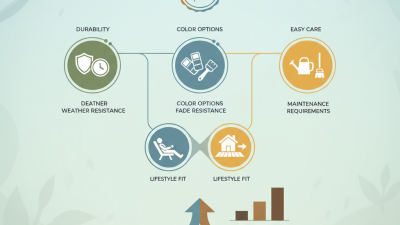
When selecting composite decking, durability and maintenance are vital factors. A resilient deck withstands weather changes and everyday wear. Look for products that resist fading, scratching, and staining. Materials should last years without warping or splintering. Imagine hosting a party without worrying about damage. Strong composite decking can help achieve that peace of mind.
Maintenance is equally important. Some composites require less upkeep than traditional wood. Consider the cleaning routine needed. Many products only need soap and water. However, others may need special cleaners to avoid buildup. This can add time and cost. Regular inspections can help catch issues early. Evaluate whether the effort aligns with your lifestyle. Balancing durability and maintenance can lead to a more enjoyable outdoor space.
10 Tips for Choosing the Best Composite Decking for Your Home
| Tip |
Consideration |
Details |
| 1. Evaluate Material Quality |
Composition |
Look for high-density polyethylene (HDPE) or polypropylene materials for durability. |
| 2. Check for Warranty |
Guarantee Period |
Select products with at least a 25-year warranty for peace of mind. |
| 3. Slip Resistance |
Safety Features |
Look for ratings that indicate slip resistance, especially for wet areas. |
| 4. Color and Finish Options |
Aesthetic Choices |
Choose colors and finishes that complement your home’s exterior. |
| 5. Environmental Impact |
Sustainability |
Opt for brands that use recycled materials and have eco-friendly practices. |
| 6. Maintenance Requirements |
Care Level |
Research the cleaning and maintenance needed to preserve the decking. |
| 7. Cost Analysis |
Budgeting |
Compare costs including installation, long-term maintenance, and material lifespan. |
| 8. Installation Process |
Ease of Setup |
Assess if professional installation is required or if it can be a DIY project. |
| 9. Heat Resistance |
Temperature Tolerance |
Select materials that can withstand high temperatures without warping. |
| 10. Customer Reviews |
User Experience |
Read feedback to gauge satisfaction and identify any common issues. |
Considering Aesthetic Options and Color Choices
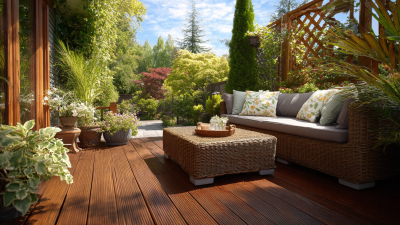
When selecting composite decking, the aesthetic options and color choices are pivotal. Composite materials come in a variety of colors and textures that can suit any style. Consider a warm, earthy palette for a natural look or bolder colors for modern aesthetics. The right color can enhance the ambiance of your outdoor space.
Pay attention to the grain patterns too. Some composites mimic natural wood grains, while others offer sleek, contemporary finishes. Think about how the decking will interact with your home’s exterior. Will it complement your siding or clash with your roofing? Visualize it in different lighting conditions. Colors can appear differently throughout the day.
When choosing, don’t rush the decision. Order samples and observe them in your backyard. The surroundings matter. Reflect on how the decking fits with your landscape. Remember, these choices should not just appeal now but also in years to come. Balancing style with durability is essential for lasting enjoyment.
Budgeting for Composite Decking Installation Costs
When budgeting for composite decking installation, it's essential to consider various factors. Composite decking materials typically range from $2 to $5 per square foot. However, installation costs can depend on the complexity of the design. A straightforward project may cost between $5 to $15 per square foot, including materials and labor. According to industry data, over 60% of homeowners report that improper budgeting leads to project delays and unforeseen expenses.
In addition to materials and labor, account for additional costs like fasteners, subframes, and permits. These can add up, increasing the overall project cost by 10-20%. Many experts recommend reserving an extra 10% of the budget to manage unexpected expenses. This practice not only ensures a smoother installation but can also cover potential adjustments reflecting personal aesthetics and preferences.
Understanding that composite decking provides long-term value is crucial. Reports indicate that homeowners can expect a return on investment of up to 70% when upgrading to composite materials. However, initial pricing may deter some. Reflecting on the upfront costs versus future benefits is vital for making informed and financially sound decisions. Balancing aesthetics with budgetary constraints requires careful planning and consideration.
Researching Manufacturer Reputation and Warranty Policies
When selecting composite decking, researching the manufacturer is crucial. A company’s reputation signifies the quality you can expect. Look for years of experience in the industry. Companies with a long history often understand customer needs better. Online reviews can serve as valuable insights. Pay attention to feedback about durability and service.
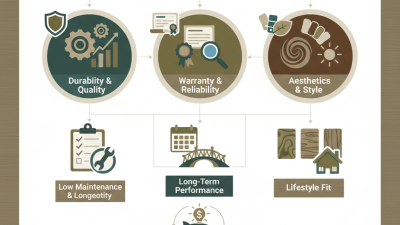
Warranty policies are equally important. A strong warranty reflects confidence in the product. Check the length and coverage details. Some warranties may only cover fading, while others include structural integrity. Be cautious if a warranty seems too limited. It may indicate potential issues. Also, consider any conditions that might void the warranty, such as improper installation or lack of maintenance.
It's easy to overlook these details when caught up in aesthetic choices. Taking the time to evaluate reputation and warranty can save you from expensive mistakes. Choose wisely. Your deck should last for years, and you deserve peace of mind with your purchase.