What are the Benefits of Using PVC Board for Your Projects?
In the construction and design industries, PVC Board has emerged as a popular choice. Renowned expert Mark Thompson states, "PVC boards combine durability with versatility." This perspective reflects the growing recognition of PVC materials in various projects.
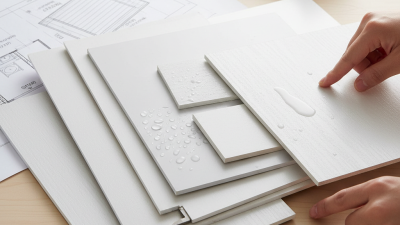
PVC Board offers several advantages. It is lightweight yet strong, making handling and installation easier. Additionally, its resistance to moisture and chemicals enhances its long-term performance. Many professionals applaud its customizable surface, allowing for a range of finishes and designs.
However, some may question its environmental impact. The production of PVC involves processes that raise concerns. It's essential to weigh the benefits against these factors. PVC Board can be a sensible option when used responsibly, especially in applications that require longevity and durability.
What is PVC Board?
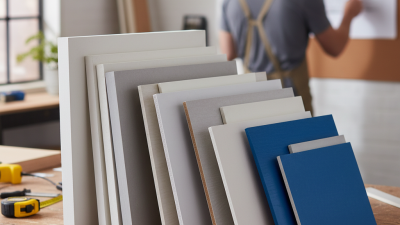
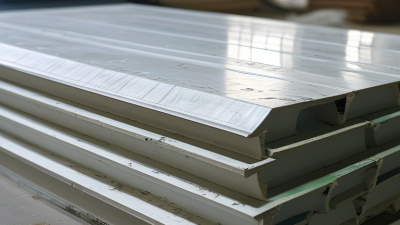
PVC board, also known as polyvinyl chloride board, is a versatile material used in various construction and design projects. It is renowned for its durability and resistance to moisture, making it ideal for both indoor and outdoor applications. According to the Plastics Industry Association, PVC accounts for approximately 20% of the global plastic market. Its lightweight nature also contributes to easier handling and installation.
Much like wood, PVC board can be easily cut and shaped, allowing for creative designs in cabinetry, signage, and even furniture. Reports from the National Bureau of Standards indicate that the lifespan of PVC materials can exceed 30 years under proper conditions. However, there are ongoing debates about its environmental impact. The production process can release harmful chemicals, raising concerns among sustainability advocates.
While PVC board offers numerous advantages, it is not immune to limitations. Some users report difficulties with paint adhesion on its surface. Additionally, extreme temperatures can cause expansion and contraction. It is crucial to consider both the benefits and these potential pitfalls when choosing materials for your next project.
Durability and Longevity of PVC Board
When considering materials for your projects, durability is key.
PVC boards are known for their impressive lifespan. They resist moisture, decay, and pests.
Over time, wood can warp or rot, especially in humid conditions. In contrast, PVC maintains its shape and integrity.
This property makes it suitable for a variety of applications, from outdoor furniture to interior fittings.
Another aspect to consider is maintenance. PVC boards require minimal upkeep compared to traditional materials.
A simple wash with soap and water can keep them looking new. However, this ease of maintenance could lead some to overlook
regular inspections. It's essential to check for any surface scratches or damage over time.
While PVC is robust, any significant impact can affect its appearance. Understanding this helps ensure a long-lasting investment.
Ultimately, choosing PVC board means prioritizing longevity in your projects. While no material is flawless,
the benefits of PVC provide a reliable option. As you use it, reflect on your project's specific needs.
Balancing durability with aesthetics is crucial for achieving lasting results.
Each project demands consideration, and materials play a significant role.
Cost-Effectiveness of Using PVC Board
When considering materials for your projects, PVC board stands out for its cost-effectiveness. Compared to traditional options like wood or metals, PVC offers a lower initial investment. Its lightweight nature also reduces shipping costs. Over time, the durability of PVC can lead to less frequent replacements and repairs, further enhancing its financial appeal.
Tips: Always plan your budget with potential long-term savings in mind. Check for local suppliers to save on transportation costs too.
PVC board also resists moisture and rotting, making it suitable for outdoor use. This resilience means fewer maintenance requirements. Despite its advantages, some may find that initial fitting can be tricky. It's essential to measure twice and cut once to minimize waste.
Tips: Practice measuring techniques on scrap pieces before you start your project. This will help avoid costly mistakes. Consider seeking advice from those experienced in working with PVC for a smoother experience.
Versatility in Applications of PVC Board
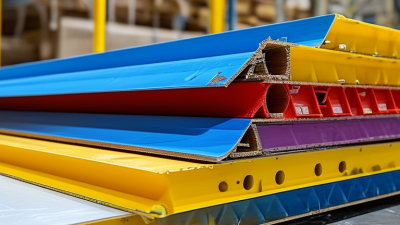
PVC board is increasingly popular in various projects. Its versatility allows use in numerous applications. From construction to crafts, PVC boards serve many purposes. They are lightweight, durable, and easy to install. This flexibility attracts both professionals and DIY enthusiasts.
In construction, PVC boards prove useful for wall cladding, ceilings, and even furniture. Their resistance to moisture makes them ideal for bathrooms and kitchens. On the other hand, artists appreciate their smooth surface for creative projects. This adaptability encourages innovation and experimentation.
Tips: Consider the thickness of the PVC board for different projects. Thicker boards provide better stability for structural applications. For crafting, lightweight boards may suffice for ease of manipulation. Always test paint adhesion on a small section first. Choose the right tools for cutting and shaping PVC boards to achieve clean edges. Don’t rush; take your time for the best results.
Environmental Impact and Sustainability of PVC Board
When considering materials for construction and design projects, PVC board stands out due to its environmental impact and sustainability. Research shows that PVC is a durable option, with a lifespan often exceeding 50 years. This longevity reduces the frequency of replacements, ultimately minimizing waste. Additionally, studies from the PVC Industry Association indicate that PVC can be recycled multiple times without losing its integrity, contributing to a more circular economy.
However, PVC production is not without its challenges. Its manufacturing process can release harmful chemicals, raising concerns about air and water quality. The industry has made strides in reducing these emissions through better practices and technologies. For example, advancements in production techniques have shown a reduction of up to 40% in greenhouse gas emissions. Nevertheless, the need for stricter regulations and more sustainable practices remains evident.
Many projects using PVC also highlight its energy efficiency. The energy required to produce PVC boards is significantly lower than that of other materials like wood or metal. An analysis by the American Chemistry Council found that the overall energy consumption for PVC is 10-15% lower, making it an attractive choice for eco-conscious builders. Yet, the full lifecycle impact of PVC still warrants scrutiny, especially regarding the end-of-life phase and proper disposal methods.
Benefits of Using PVC Board for Your Projects
| Benefit |
Description |
Environmental Impact |
Sustainability Aspect |
| Durability |
PVC boards are resistant to rot, corrosion, and damage, making them long-lasting. |
Lower resource consumption over time, reducing waste. |
Long lifespan reduces the need for replacements. |
| Lightweight |
Easier to handle and transport than traditional materials. |
Reduction in transportation emissions due to lower weight. |
Easier manufacturing and installation processes. |
| Cost-Effectiveness |
Lower material and maintenance costs compared to wood and metal. |
Less frequent replacements lead to reduced overall environmental impact. |
Cost savings allow for reinvestment in sustainable practices. |
| Versatility |
Can be used for various applications, from signage to construction. |
Reduces the need for multiple materials, leading to fewer resources used. |
Single material for multiple uses enhances resource efficiency. |
| Low Maintenance |
Requires minimal upkeep, saving time and effort. |
Less frequent maintenance reduces potential environmental harm. |
Contributes to sustainability through reduced upkeep resources. |