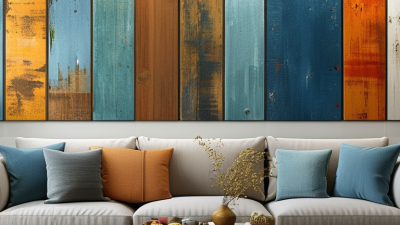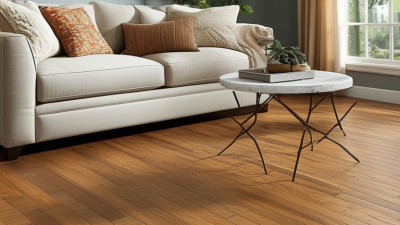
Wood Wall Paneling is an increasingly popular choice for home decor. Recent industry reports indicate that over 40% of homeowners prefer wood paneling for its aesthetic appeal and durability. This material adds warmth and texture, transforming spaces from ordinary to extraordinary.
In addition to beauty, wood wall paneling offers practical benefits. It acts as insulation, improving energy efficiency in homes. According to the National Wood Flooring Association, wood products can lead to a 15% increase in property value. However, choosing the right type can be challenging.
Sourcing eco-friendly options can also complicate decisions. Many consumers are unaware of the environmental impact of certain woods. It’s important to consider sustainability when selecting materials. With the right choices, wood wall paneling can enhance your home while promoting responsible living.
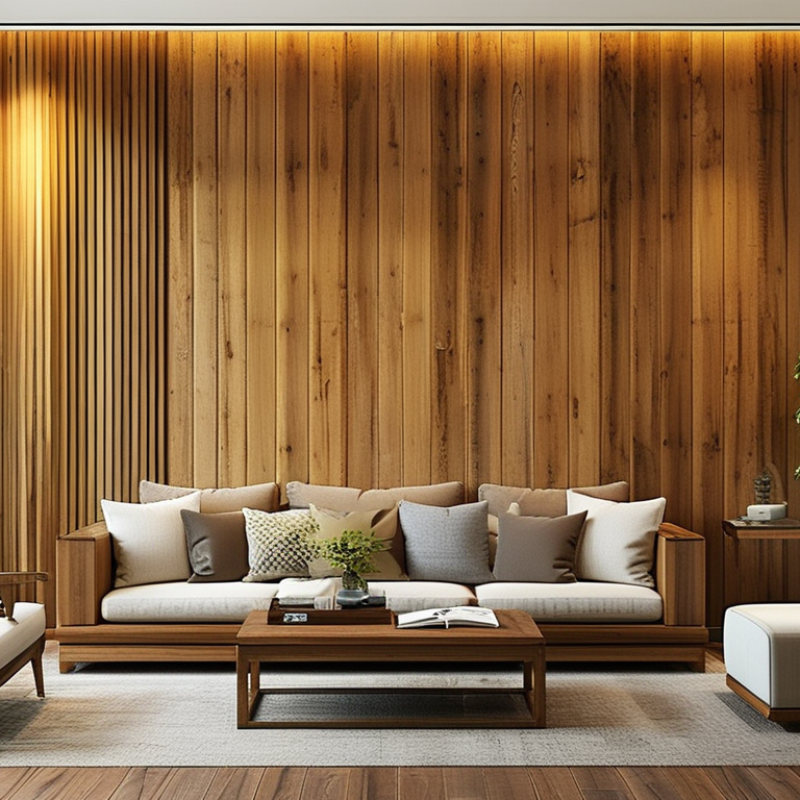
When considering wood wall paneling for home decor, it's essential to understand the various options available. Plywood is popular for its cost-effectiveness and versatility. According to a 2022 industry report, plywood accounted for over 30% of the wood panel market due to its light weight and ease of installation. However, it may not offer the same aesthetic appeal as solid wood varieties.
Solid wood paneling, while more expensive, provides a luxurious finish. Data from the American Wood Council indicates that solid wood can increase home value by as much as 10%. It possesses insulation properties that can enhance energy efficiency. However, solid wood can warp or split without proper care.
Reclaimed wood is gaining traction as an eco-friendly option. This type often carries a unique history and character. Reports show that reclaimed wood usage increased by 15% in recent years—reflecting a shift towards sustainable design choices. Yet, sourcing quality reclaimed materials can be challenging. Many panels require additional treatment to be functional in modern homes. Understanding the nuances of each type can help you make an informed choice for your space.
| Type of Wood Paneling | Description | Pros | Cons | Best For |
|---|---|---|---|---|
| Shiplap | Horizontal boards that fit snugly together, often used in rustic decor. | Easy installation, adds character. | Can warp over time if not treated properly. | Living rooms, nurseries, and entryways. |
| Beadboard | Vertical boards with grooves between them, offering a classic look. | Timeless design, versatile for different styles. | Limited impact resistance. | Kitchens and bathrooms. |
| Plywood Panels | Made from thin layers of wood glued together, offering a smooth surface. | Cost-effective, lightweight. | Can be seen as less elegant. | Modern and minimalist spaces. |
| Reclaimed Wood | Wood sourced from old buildings or furniture, known for its unique character. | Sustainable, adds history. | Can be expensive, unpredictable quality. | Eclectic and farmhouse styles. |
| Veneer Panels | Thin slices of wood that are glued onto core panels to create a natural look. | Affordable luxury, variety of finishes. | Less durable than solid wood. | Living rooms and home offices. |
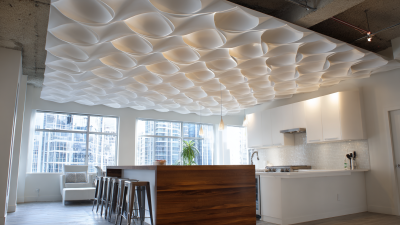
Wood wall paneling brings warmth and character to home decor. It offers a sense of nature and comfort. The texture adds depth and interest to any room. People often feel more relaxed and connected in spaces with wooden accents. The natural variations in grain and color create unique visuals. Each panel tells a story, adding personality to your home.
Beyond aesthetics, wood paneling provides practical benefits. It acts as insulation, helping regulate temperature. Homes with wooden panels can feel cozier in winter and cooler in summer. This helps reduce energy costs, making it a smart choice. Additionally, wood is a durable material. While it may require maintenance, its longevity outweighs temporary issues. It's essential to choose quality finishes to keep the wood looking its best.
However, some may find wood paneling challenging to maintain. Regular cleaning is necessary to prevent dust buildup. Nonetheless, with proper care, the beauty of wood only enhances over time. It's also worth considering that trends change. What feels modern now may shift in a few years. Balancing personal taste with timelessness can be a thoughtful approach. Embracing wood paneling can enrich your living space, but reflect on how it fits into your overall vision.
Choosing the right wood for wall panels can transform your home. There are different types of wood with unique qualities. Consider the grain, color, and texture. These factors influence the overall aesthetic of your space.
Certain woods like pine offer affordability and warmth. Others, like walnut, provide elegance and durability. Keep in mind the wood's hardness, especially in high-traffic areas. Some species can dent easily, which may not be ideal for families with children or pets.
When selecting wood, think about the finish you want. A natural finish highlights the wood's grain. Staining can add color but may require more maintenance. It’s essential to consider how the wood interacts with light in your room. Too dark can make a space feel small, while lighter colors can open it up.
Wood panels require commitment. Think about how frequently you’ll clean them. Regular maintenance can keep them looking their best. Choose a wood that aligns with your lifestyle. Reflect on practicality and aesthetics for a successful choice.
Wood wall paneling can transform a space. Different installation methods can affect the overall look and durability of the panels. According to the National Wood Flooring Association, well-installed wood paneling can last for decades, making the choice of method crucial.
One common method is direct glue-down installation. This is preferred for its tight adhesion and minimal gaps. However, improper application can lead to peeling or bubbling over time. Another option is the nail-up method. While it allows for easier adjustments, it often requires precise aligning. Studies indicate that an estimated 30% of DIY paneling projects face alignment issues due to inexperience.
Finally, floating installation is gaining popularity. This method allows for expansion and contraction, reducing the risk of warping. While easier for DIY enthusiasts, ensure you have a sturdy subfloor. Reflecting on these methods can help homeowners choose wisely. Balancing aesthetics and functionality is key to achieving lasting beauty in home decor.
Wood wall paneling adds depth and character to a home. However, it requires proper care to maintain its beauty. Cleaning is essential, but be gentle. Avoid harsh chemicals that can damage the finish. Instead, use a soft cloth and mild soap. Regular dusting prevents buildup that can dull the surface.
Humidity can impact wood paneling negatively. High moisture levels may warp or crack the wood. A dehumidifier can help in damp environments. Conversely, dry air can lead to shrinking or splitting. Monitor indoor humidity to keep your panels in top shape.
Over time, wood may lose its luster. Applying a fresh coat of finish can revive its appearance. Be cautious with sanding; too much can damage the wood. Test in an inconspicuous area first. Caring for wood paneling is an ongoing process that enhances its lifespan. Pay attention to changing conditions to enjoy its warmth and elegance for years.