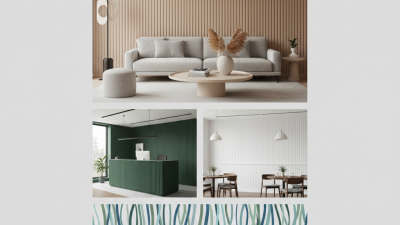
What is Decorative Wall Panels and How to Choose Them?
Decorative Wall Panels are transforming interior design by adding texture and character to spaces. The market for these panels has grown significantly, reflecting a global trend. According to a recent report by Grand View Research, the decorative wall panel market is expected to reach USD 7.8 billion by 2027, expanding at a CAGR of 8.3%. This data underscores the rising popularity of aesthetic choices in home and commercial settings.
Industry expert Mark Johnson emphasizes, “Decorative Wall Panels create an instant visual appeal with minimal investment.” His insight highlights how these panels allow for creative expression. They come in various materials, styles, and finishes, which can support diverse design concepts. However, choosing the right type can be challenging. Some options may not provide the durability expected, leading to premature wear or aesthetic degradation.
Consumers should pay attention to quality and installation processes. Each space will have unique needs based on factors like humidity and traffic. It’s crucial to evaluate all aspects carefully to achieve the desired look and functionality. The growing interest in sustainable materials adds another layer to the decision-making process. Thoughtful choices in Decorative Wall Panels can elevate any environment.
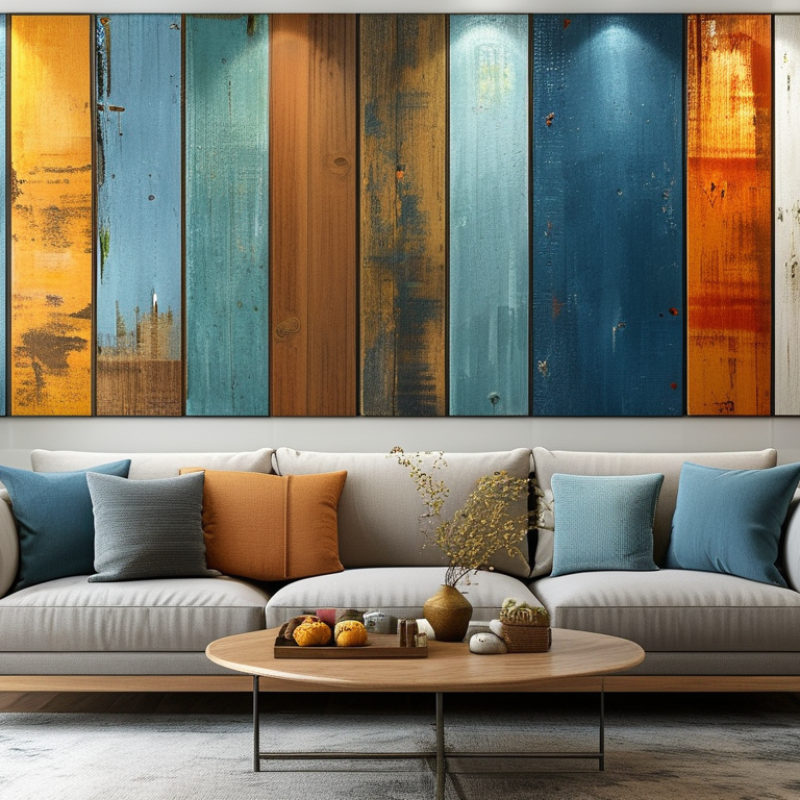
Definition and Purpose of Decorative Wall Panels
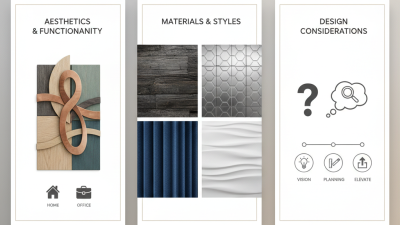
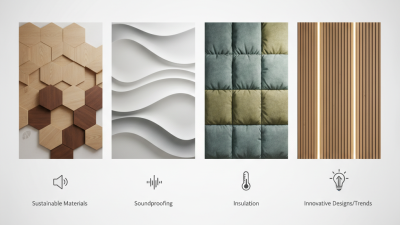
Decorative wall panels are versatile design elements that enhance the aesthetic appeal of a space. They serve multiple purposes beyond mere decoration. These panels can improve insulation, reduce noise, and add depth to a room. Often made from materials like wood, PVC, or fabric, they can transform dull walls into stunning visuals. The right choice can elevate the entire room's atmosphere.
When selecting decorative wall panels, consider the room's purpose. For a calming bedroom, opt for soft textures and muted colors. In contrast, vibrant patterns can energize a playroom or office. Be aware that too many bold elements can feel overwhelming. Also, think about the lighting. A light panel can brighten a shadowy corner, while darker colors absorb light.
Tips for selection involve understanding your space. Measure the wall area before purchasing. This helps you estimate how many panels are needed. Always consider maintenance; some materials require more care than others. Choosing a style that complements existing decor is essential, yet it is also a chance for personal expression. Balancing beauty with practicality can lead to a unique, inviting space.
Types of Decorative Wall Panels Available in the Market
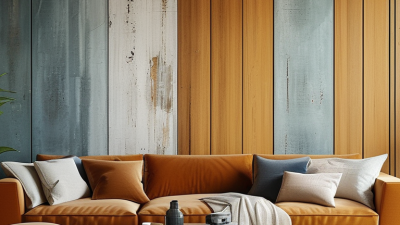
Decorative wall panels have become a popular choice for enhancing interior spaces. They come in various styles, materials, and textures. Homeowners can choose from wood, plastic, and even stone panels. Each material offers a unique look and feel. For instance, wood panels can create a cozy atmosphere. They add warmth and character to any room. On the other hand, plastic panels are lightweight and moisture-resistant. This makes them ideal for bathrooms or kitchens.
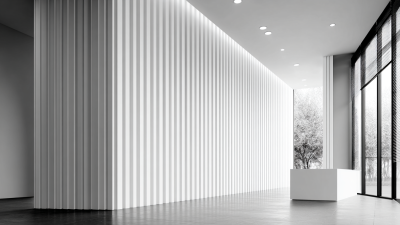
There are several types of decorative wall panels available today. 3D panels provide a dynamic look. They often resemble waves or geometric shapes. Textured panels are also popular, featuring patterns that can draw the eye. Some panels mimic the appearance of natural materials like brick or slate. It’s important to consider the space’s overall style when choosing panels. A modern home may benefit from sleek finishes, while a rustic space might be better suited for reclaimed wood. Make sure the selected panels fit the desired mood and functionality.
Remember that installation can be tricky. Some panels require special adhesives or frameworks. Improper installation can lead to sagging or peeling. Take time to evaluate your project needs. It’s wise to consult with professionals if unsure about the process. Choosing decorative wall panels can transform your space, but it’s essential to make thoughtful decisions.
Factors to Consider When Choosing Decorative Wall Panels
When selecting decorative wall panels, several factors carry significant weight. Consider the material first. Wood, PVC, and fabric offer different aesthetics and durability. Wood panels exude warmth, while PVC is easier to maintain. Think about the room's lighting, too. Glossy surfaces can reflect light, changing the room's vibe entirely.
Next, reflect on the design style that resonates with you. Modern settings may favor sleek lines and minimalistic patterns. In contrast, traditional spaces might benefit from ornate detailing. Size matters as well. Large panels can make a bold statement, but they may overwhelm a small room. Finding the right balance is essential for visual harmony.
Finally, installation is an important aspect. Some panels require professional help, while others are DIY-friendly. Assess your skills and tools, and choose accordingly. Remember, the goal is to enhance your space, not to add stress. Think about what fits your lifestyle. Decorative wall panels can transform a room, but they should first align with your taste and practicality.
Installation Options for Decorative Wall Panels
Decorative wall panels come in various styles and materials. They can transform a room, adding character and warmth. These panels can be made of wood, MDF, PVC, or metal. The installation options for these panels are numerous.
One popular method is the adhesive panel system. This allows for a clean look without visible fasteners. According to a report from the Architectural Woodwork Institute, 70% of designers prefer adhesive options for ease of installation. Additionally, interlocking panels are effective for DIY enthusiasts. They fit seamlessly, providing a secure installation.
Consider the wall surface when selecting panels. If the wall is uneven, a more flexible material may be necessary. For high-moisture areas like bathrooms, waterproof panels are essential. Choose a panel that complements your decor style while addressing these functional needs.
Consider using an experienced installer if you are unsure about the process. Correct installation is vital for durability. Poorly installed panels can warp or detach over time, leading to costly repairs. Always review installation guidelines specific to your chosen material.
Maintenance and Care for Decorative Wall Panels
Maintaining decorative wall panels is essential for preserving their beauty. Regular cleaning helps remove dust and dirt, which can accumulate over time. Use a soft, damp cloth for wooden panels to avoid scratches. For painted surfaces, a gentle cleanser can keep them looking new.
Humidity can impact wall panels, especially those made of wood. It's vital to keep indoor humidity stable. High moisture can lead to warping, while low humidity may cause cracking. Regularly check the environment where the panels are installed.
Repairing minor damages promptly can extend the life of your panels. Small scratches can be sanded down and refinished. However, if the damage is severe, you might need professional help. Reflect on your wall panel's condition regularly. This proactive approach can help maintain their aesthetic appeal and durability.