How to Choose the Best Wood Wall for Your Home Decor?
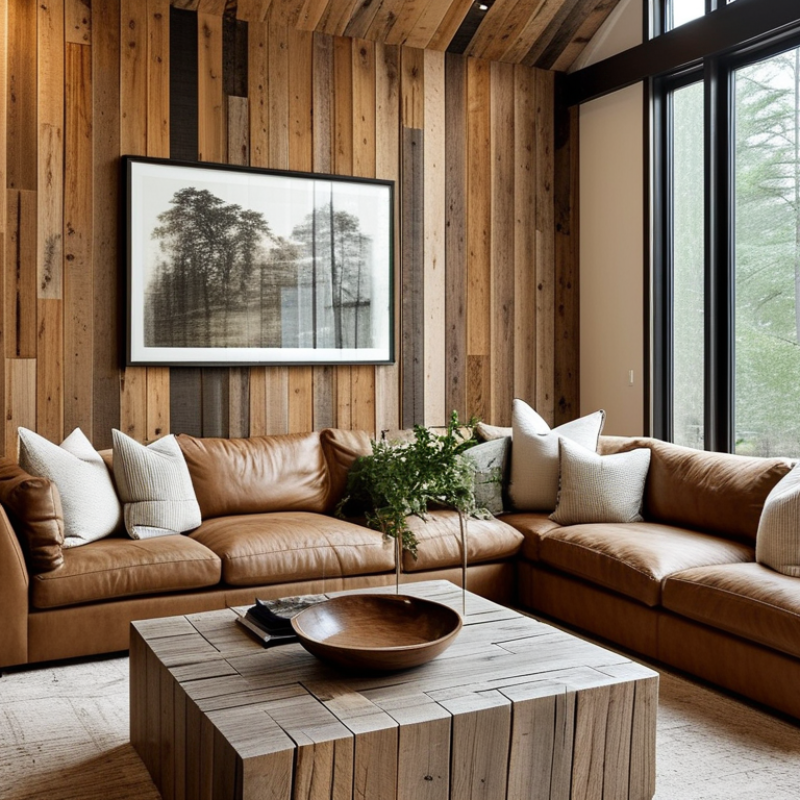
When it comes to home decor, a "Wood Wall" can transform any space. Leading expert in interior design, Sarah Thompson, says, "A well-designed Wood Wall adds warmth and character to your home." Choosing the right type of wood, finish, and layout is essential.
Consider the variety of wood species available. Each has unique textures and colors that influence the overall vibe. Pine offers a rustic appeal, while oak brings sophistication. Finding the right blend can be challenging.
Another aspect to think about is installation. It requires careful planning to achieve a seamless look. A Wood Wall can accentuate a room, but poor execution can lead to disappointments. Reflecting on the design choices can lead to a harmonious space that resonates with your personal style.
Understanding the Different Types of Wood for Wall Decor
When selecting wood for wall decor, understanding its types is essential. Different woods bring unique aesthetics and functionalities to your space. For instance, oak is known for its durability and classic appeal. Its grain patterns can create a warm and inviting atmosphere in any room. Pine, on the other hand, offers a more casual look, making it ideal for rustic or farmhouse themes.
Teak is a premium choice renowned for its weather resistance and rich color. It adds sophistication to both indoor and outdoor spaces. However, one must consider the cost associated with high-quality woods like teak. Sometimes, the budget can dictate your choice. Bamboo, a lighter and more eco-friendly option, is growing in popularity. It brings a modern touch but may not always provide the desired warmth.
Each wood type has its pros and cons. Some may require more maintenance than others. Naturally, some woods can warp over time. It’s crucial to think about the practical aspects along with aesthetic appeal. Choosing the right wood for your walls can truly enhance your home's character. Pay close attention to grain patterns and colors, as they significantly impact the overall ambiance.
Evaluating Wood Durability: Softwoods vs. Hardwoods
Choosing the right wood for your wall decor involves understanding wood types. Softwoods and hardwoods each have unique characteristics that influence their durability and appearance. Softwoods, like pine and cedar, are generally lighter and less expensive. They can be prone to dents and scratches, making them less suitable for high-traffic areas. However, their natural knots and textures add charm to rustic interiors.
Hardwoods, such as oak and maple, offer superior strength and longevity. Their dense structure resists wear and tear, making them ideal for enduring aesthetics. The grain patterns in hardwoods provide a rich visual depth, enhancing any space's sophistication. However, hardwoods can be harder to work with due to their density. This complexity might lead to challenges during installation.
In evaluating wood durability, consider the room's use and traffic. A softwood might suit a cozy den, while a hardwood could elevate a formal dining room. Balance beauty with function. Reflect on how each material's characteristics align with your lifestyle and design goals. Each choice has its strengths and weaknesses; understanding them helps you create an inviting atmosphere.
Wood Durability Comparison: Softwoods vs. Hardwoods
Assessing Aesthetic Appeal: Color, Grain Patterns, and Finishes
Choosing the right wood wall can elevate your home decor. Start by considering the color. Lighter woods can brighten a room. Darker shades create warmth and coziness. The color directly influences the feel of the space. Think about how different shades complement your existing furniture and walls.
Grain patterns add uniqueness. Each wood type has its own texture and design. Oak features a prominent grain, while maple offers a smoother surface. When selecting, look for patterns that resonate with your style. Some people prefer uniformity, while others seek variety. Reflect on your preferences here.
Finishes play a crucial role too. Glossy finishes can enhance the color but may not suit every decor. A matte finish presents a more natural look. Test samples on your walls to see how light interacts with them. Consider how the finish aligns with your lifestyle. It’s okay if you’re unsure. Try different combinations until you find the perfect match for your space.
Considering Environmental Impact: Sustainable Sourcing of Wood
When choosing wood for your wall decor, consider sustainable sourcing. The type of wood you select can impact the environment significantly. Opting for responsibly harvested wood reduces your carbon footprint. Look for certifications that ensure the wood comes from managed forests. This information is vital for environmentally conscious homeowners.
Using reclaimed wood is another excellent option. It gives a unique character to your home while promoting recycling. Each piece tells a story and reflects a commitment to sustainability. However, not all reclaimed wood is treated equally. Research its history and condition to avoid potential hazards.
Think about the lifecycle of the wood you choose. Will it last, or will you replace it in a few years? Investing in high-quality, sustainably sourced wood often means fewer replacements over time. It’s a mix of aesthetics and responsibility. There’s beauty in knowing your design choices support the planet, even if the options can sometimes be overwhelming.
Determining Cost Factors: Budgeting for Quality Wood Walls
When selecting a wood wall for your home, understanding the cost factors is crucial. The price can vary significantly based on the type of wood, craftsmanship, and finish. According to a report by the National Wood Flooring Association, high-quality hardwood walls can range from $7 to $12 per square foot. In contrast, cheaper options, like softwoods, can start at $3 per square foot.
Budgeting requires forethought. Installation costs can add another $2 to $5 per square foot. Professional installation is often recommended for complex designs. It's essential to factor in these costs to avoid surprises later. Consider the long-term investment, as quality wood can last for decades. However, cheaper options may save you money upfront but could lead to higher maintenance costs.
Think about the wood species too. Oak, maple, and cherry are popular choices, but they differ in price and durability. A more exotic wood may elevate your decor but also your budget. Reflect on your usage and the environment. Will the wall endure high wear, or is it merely decorative? Balancing aesthetic appeal with financial practicality is the key to making a sound decision.
How to Choose the Best Wood Wall for Your Home Decor? - Determining Cost Factors: Budgeting for Quality Wood Walls
| Wood Type |
Cost per Square Foot |
Durability |
Maintenance Level |
Aesthetic Appeal |
| Pine |
$3 - $6 |
Moderate |
Low |
Warm and Inviting |
| Oak |
$6 - $10 |
High |
Moderate |
Classic and Elegant |
| Maple |
$7 - $12 |
Very High |
Moderate |
Sleek and Modern |
| Walnut |
$10 - $15 |
Very High |
High |
Rich and Luxurious |
| Cedar |
$5 - $8 |
High |
Low |
Natural and Fresh |