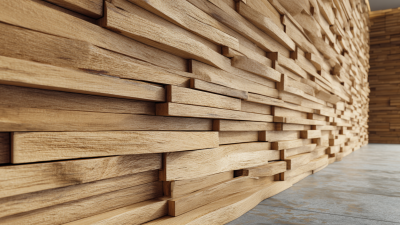
Best Wood Wall Ideas for Stunning Interiors and Exteriors?
Wood walls have become a popular trend in interior and exterior design. They offer warmth and character to any space. Whether you seek a rustic farmhouse look or a modern aesthetic, a wood wall can transform your environment. The natural texture of wood enhances visual interest, making it a versatile choice for various styles.
Incorporating wood walls can be challenging. Choosing the right type of wood, color, and finish is crucial. Each decision impacts the overall feel of your home or office. Consider how light plays on the wood and how it interacts with other materials. It's essential to balance practicality with design elements. Mistakes can happen—selecting a wood that clashes with your decor can detract from the space's charm.
Ultimately, wood walls create stunning interiors and exteriors. Their beauty lies in their imperfection, often showcasing knots and variations. This uniqueness can invite reflection on nature's artistry. Embrace the journey of selecting and designing with wood walls. You may discover new aesthetics along the way.
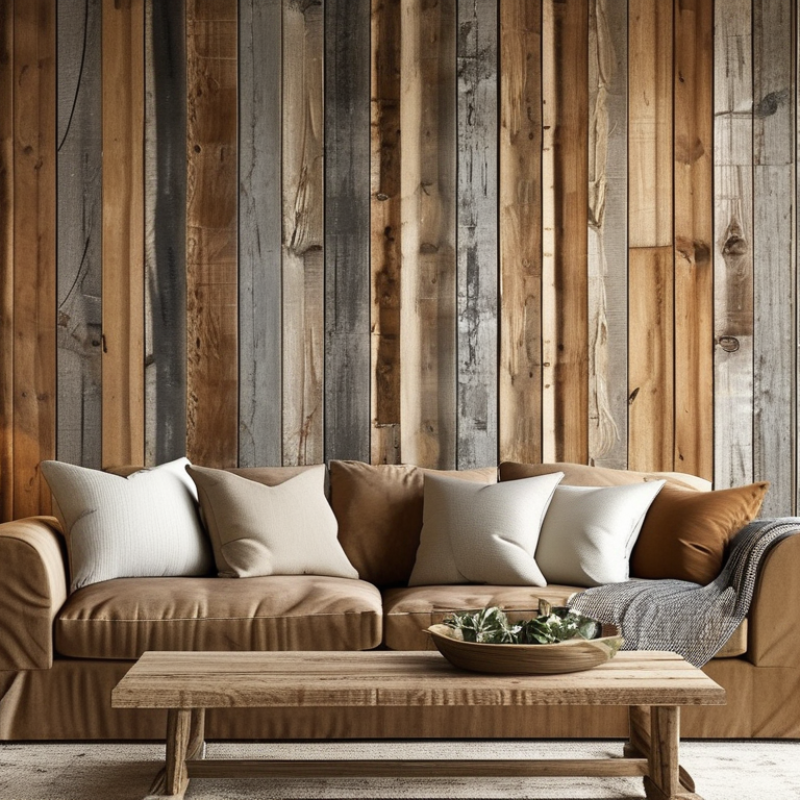
Best Wood Types for Wall Applications: Durability and Aesthetic Appeal
When selecting wood types for wall applications, consider both durability and aesthetic appeal. Different species offer unique qualities that can elevate your space. For example, oak is robust and lasts long, while cedar provides natural resistance to decay. Each type brings its own color, grain, and texture, allowing you to create a distinctive interior or exterior wall.
Tips: Always inspect wood for defects. Consider the climate, as some woods perform better in humidity than others. For outdoor walls, resilient varieties such as redwood or teak can withstand the elements while looking stunning. Indoors, choose warmer tones for a cozy feel, while lighter woods can make a space feel airy.
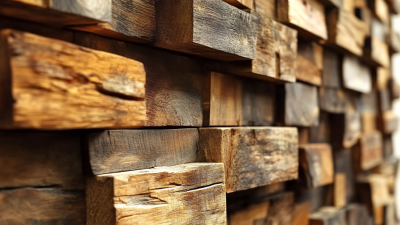
Reflect on your choice. Not all wood ages gracefully. Some may warp or fade over time, potentially impacting your design. Emphasizing the imperfections of wood can add character. Consider using reclaimed wood; it often has its own story, adding uniqueness to your project.
Best Wood Types for Wall Applications: Durability and Aesthetic Appeal
Innovative Wood Wall Techniques: Shiplap, Paneling, and Slat Walls
Wood walls have become increasingly popular in modern design, adding warmth and texture to both interiors and exteriors. Shiplap, paneling, and slat walls each offer unique aesthetics and benefits. According to a report by the National Wood Flooring Association, wood products are favored in over 60% of newly constructed homes. This trend highlights the importance of integrating wood elements in design.
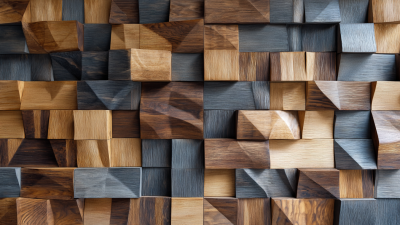
Shiplap is a classic choice, known for its clean lines and rustic charm. It creates a sense of continuity throughout spaces. Paneling, on the other hand, provides a more formal touch, ideal for living rooms or dining areas. Slat walls are versatile, allowing for creative configurations. With their horizontal or vertical alignment, they can transform a simple area into a statement piece.
**Tip:** Consider contrasting wood colors for added depth. Mixing textures enhances visual interest. Keep in mind that maintenance can be a concern. Wood requires sealing to prevent damage from moisture. Always prioritize quality over quantity; poorly sourced materials can lead to costly replacements. Reflect on your design choices and make substitutions as needed for optimal aesthetics.
Sustainable Wood Sourcing: Environmental Impact and Certification Standards
Sustainable wood sourcing is essential for eco-friendly design practices. Using responsibly harvested wood minimizes environmental impact. This approach ensures forests remain healthy and thriving. The importance of certification standards cannot be overstated. They provide assurance that the wood has been sourced sustainably.
Wood sourced from certified forests supports biodiversity. These forests are managed to protect wildlife habitats and prevent deforestation. However, not all wood claims to be sustainable. Some certifications may lack rigorous standards, leaving room for deception. It’s important to research and verify the source of the wood.
Choosing sustainable wood can enhance the beauty of interiors and exteriors. The unique textures and tones of various woods bring warmth and character to any space. Be cautious when selecting materials. Always prioritize transparency in sourcing practices, even if it means rejecting popular options. Sustainable choices may sometimes come at a higher cost, but they benefit the planet in the long run.
Interior vs. Exterior Wood Walls: Design Considerations and Maintenance Needs
When considering wood walls, the design can vastly differ indoors and outdoors.
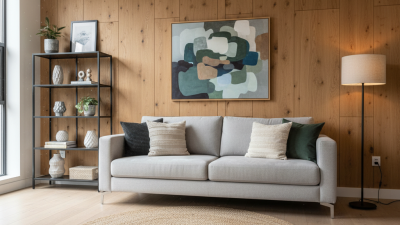
Interior wood walls can create warmth and coziness.
Common choices include reclaimed wood or paneling.
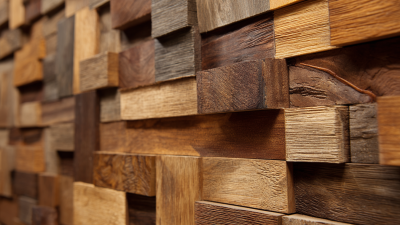
The unique textures in reclaimed wood can tell a story, making the space feel lived-in.
Indoor walls usually require less maintenance than outdoor ones, but they still need attention to keep them looking fresh.
For exterior wood walls, the environment plays a huge role. They face weather elements
like rain, sun, and wind. It's crucial to select materials that can withstand these conditions.
Regular sealing and staining will protect against moisture and UV rays.
A beautiful outdoor wall can enhance curb appeal significantly, but neglect can lead to rot or fading.
Tips: Ensure proper ventilation behind wood walls to prevent mold.
Consider adding a layer of insulation if the wall is exposed to cold.
Regular inspection is also key. Watch for signs of wear and tear; early intervention is essential.
Taking time to maintain wood walls can save more extensive repairs later.
Cost Analysis: Budgeting for Wood Wall Installations and Upgrades
When considering wood wall installations, budgeting is crucial. The average cost for a wood wall can range from $10 to $30 per square foot. Factors such as wood type and installation complexity heavily influence this price. Softwoods like pine are generally more affordable than hardwoods like walnut or oak. For a typical living room featuring a 200-square-foot wall, expenses could total between $2,000 and $6,000.
DIY projects can save money, but they often involve hidden costs like tools and time. A study from the National Association of Home Builders reports that 67% of homeowners encounter unforeseen expenses during renovations. This data highlights the importance of thorough planning. Hiring professionals provides quality assurance but raises overall costs. Average labor rates for skilled trades can add another $2 to $5 per square foot for installation.
Maintenance is another essential factor in your budget. Wood walls require sealing and occasional refinishing to maintain their appeal. Over time, these costs can reach hundreds of dollars. Additionally, not all wood types offer the same durability. Engineered wood, while more affordable upfront, may incur higher long-term maintenance costs. Balancing aesthetic appeal, functionality, and budget is key when planning an upgrade.