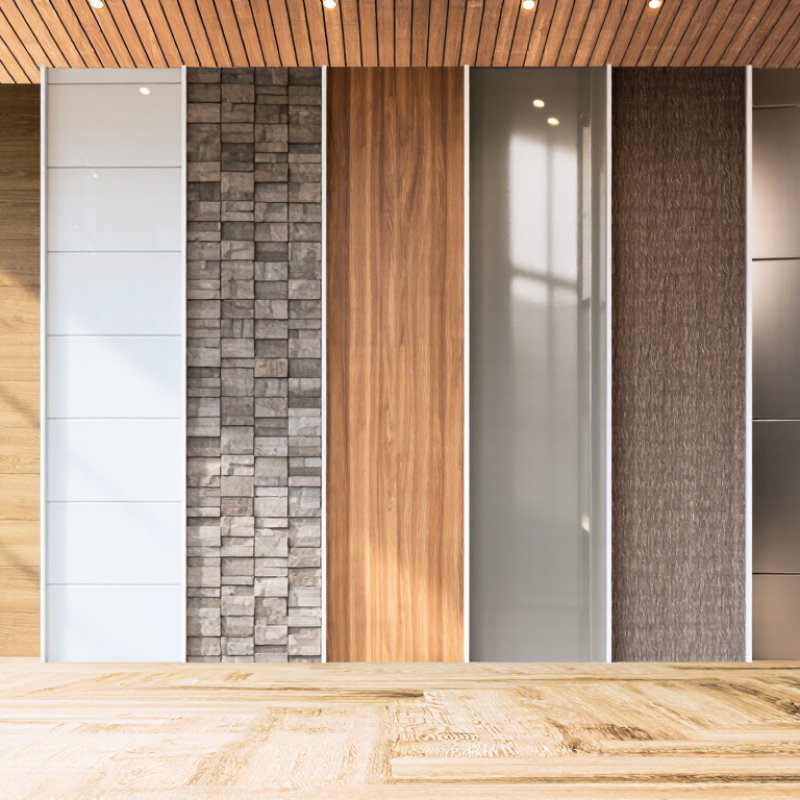
Choosing interior wall panels requires more than matching a sample to a paint color.
In renovation work, I inspect the panel core, surface, edges, and fixing system before judging appearance. Ask for test data on impact resistance, moisture tolerance, and dimensional stability. A panel that looks rigid may swell around a sink. That detail matters.
Maintenance should fit the room’s real routine. In a busy corridor, choose a surface that tolerates repeated wiping without losing its finish. Check whether cleaners can stain, soften, or dull the panel.
Request current fire-rating and emissions documentation from reliable testing bodies. Rounded edges can reduce injury risks, especially in schools and healthcare spaces. Installation also matters; hidden gaps can trap moisture and dust.
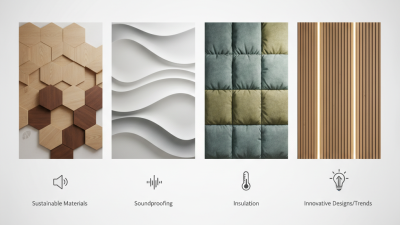
Assess sustainability across the panel’s full life, not only its recycled content.
Look for responsibly sourced materials, low-emission adhesives, repairable sections, and recyclable components. Ask how much offcut waste the installation creates. A recycled claim alone is incomplete. Local building codes still control the final decision. I once focused too heavily on appearance and underestimated replacement access. That mistake made later repairs slower and more wasteful. Good panels should remain safe, cleanable, and useful after the first impressive inspection.