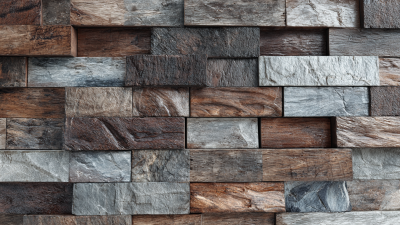
Choosing the right exterior finish affects more than a building’s appearance. It influences durability, comfort, maintenance, and long-term value. Outdoor Wall Panels offer a practical way to create a cleaner, stronger, and more distinctive exterior.
They can protect walls from rain, sunlight, wind, and everyday impact. A well-installed panel system may also improve thermal performance and reduce future repair work. Picture a commercial entrance with textured panels, concealed fasteners, and crisp shadow lines. The result feels intentional before visitors step inside. That visual impact matters.
Architect Glenn Murcutt, respected for climate-responsive design, said, “The touchstone of a building is how it sits in the landscape.” His observation applies directly to exterior panel selection. Materials should respond to local weather, surrounding architecture, and the building’s actual use. A coastal project may need stronger resistance to moisture and salt. An urban renovation may benefit from lightweight panels and faster installation.
Performance comes first.
Still, no panel solves every problem. Poor substrate preparation, incorrect spacing, or unsuitable sealants can damage an otherwise excellent project. Color samples may also look different under harsh afternoon light. That detail is easy to overlook.
For this reason, choosing Outdoor Wall Panels requires more than comparing photographs or prices. Review fire ratings, moisture resistance, warranty terms, cleaning needs, and installation requirements. Consult qualified suppliers and experienced installers. A thoughtful decision balances beauty with evidence, practical site experience, and realistic expectations. The best exterior is not merely attractive. It remains dependable when weather changes, budgets tighten, and maintenance becomes unavoidable.
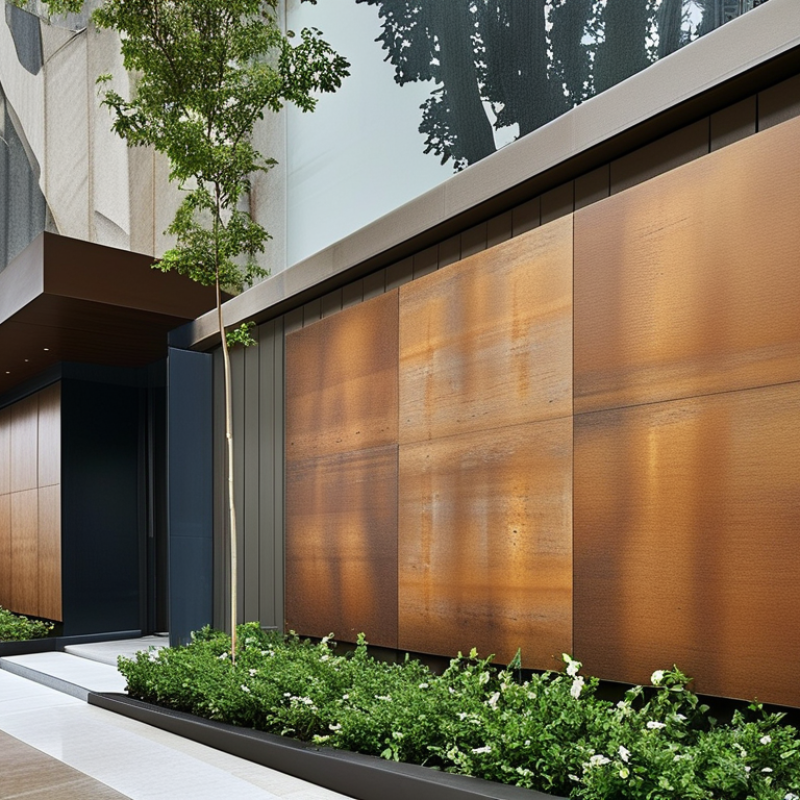
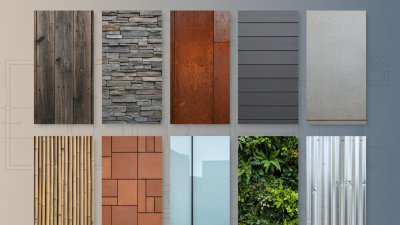
Outdoor wall panels are manufactured exterior cladding elements. They cover walls, facades, porch surfaces, or garden structures. Panels may use fiber cement, treated wood, metal, composite, or weather-resistant polymers. Their purpose is practical and visual. They can protect a wall from rain, sunlight, wind, and everyday impact.
Unlike interior panels, outdoor products must tolerate changing temperatures and moisture. A reliable panel system usually includes drainage gaps, suitable fasteners, and carefully sealed joints. Installers should inspect the substrate before fixing anything. A damp or uneven wall can cause movement, staining, or early failure. In my experience, the smallest gap often becomes the most important detail. Water needs somewhere to escape.
Outdoor wall panels also create texture. A ribbed surface can add shadow beneath a roof edge, while a wood-look finish can soften a concrete exterior. However, appearance should not replace performance. Color fading, thermal expansion, cleaning needs, and local weather deserve attention. Some panels are easier to repair than others. That difference matters after a storm or accidental impact.
No panel suits every project. Coastal air, freezing winters, and intense sunlight require different specifications. I would request test data, installation guidance, and fire-performance information before ordering. I would also allow for slight cutting waste. That part is easy to overlook. A careful site check may feel slow, but it can prevent expensive adjustments later.
| Panel Material | Typical Thickness | Moisture Resistance | Expected Service Life | Maintenance Level | Common Outdoor Uses |
|---|---|---|---|---|---|
| Fiber Cement | 8–16 mm | High when properly sealed and installed | 30–50 years with suitable maintenance | Low to moderate | Siding, façades, soffits, rainscreen systems |
| Aluminum Composite Panel | 3–6 mm | Very high; non-porous surface | 20–40 years, depending on coating and exposure | Low | Commercial façades, feature walls, canopies |
| High-Pressure Laminate | 6–12 mm | High when edge details are protected | 20–40 years in appropriate applications | Low | Ventilated façades, balconies, exterior partitions |
| PVC or Vinyl Panel | 5–12 mm | High; resistant to direct water exposure | 20–40 years, depending on UV exposure | Low | Cladding, porch walls, utility buildings |
| Exterior Wood Panel | 12–25 mm | Moderate; requires weather protection | 15–30 years with regular coating maintenance | Moderate to high | Decorative façades, cabins, covered outdoor areas |
| Natural Stone Panel | 20–40 mm | High; sealing may be required for porous stone | 50+ years when correctly anchored | Low to moderate | Premium façades, retaining walls, entrance features |
| Exterior Porcelain Panel | 6–20 mm | Very high; very low water absorption | 30–50+ years with proper installation | Low | Ventilated façades, terraces, exterior feature walls |
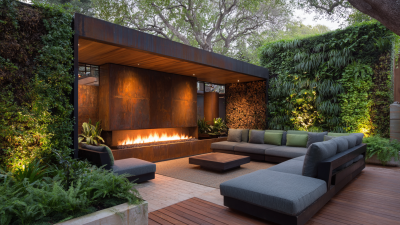
Why Choose Outdoor Wall Panels for Your Project?
How Outdoor Wall Panels Improve Building Performance
Outdoor wall panels do more than refresh a building’s appearance. They can protect the wall assembly from rain, wind, sunlight, and daily temperature changes. Field inspections often show problems around joints, corners, and window edges. Properly designed panels help manage these vulnerable areas.
A ventilated cavity behind the panels can improve moisture control. Rain that passes the outer surface has a path to drain and dry. This reduces the chance of trapped moisture damaging insulation or framing. Better detailing also limits air leakage, which can support steadier indoor temperatures and lower heating or cooling demand.
Thermal movement matters too. Panels expand and contract as temperatures change. Flexible joints and correct fastening help prevent cracking, buckling, and loose sections. Some systems also provide durable resistance to ultraviolet exposure, impact, and surface staining. Performance still depends on the material and installation.
They are not a cure-all.
On active construction sites, small shortcuts can create large problems. An uneven substrate may distort the panel layout. Poorly sealed penetrations can defeat moisture protection. Designers should check wind loads, drainage paths, fire performance, and local building requirements before selection. Maintenance access deserves attention as well. A panel may remain visually attractive while hidden moisture develops behind it. Regular inspections around seams, fasteners, and openings can reveal early warning signs.
Material selection starts with exposure. Fiber-cement panels suit projects needing noncombustible, textured surfaces and stable color. Aluminum panels are lighter and useful for folded forms, but thermal movement needs careful detailing. High-pressure laminate can create warm wood visuals, though edge sealing matters in wet climates.
UNEP’s 2023 Global Status Report for Buildings and Construction states that buildings produce about 37% of global energy-related and process emissions. That figure makes durability and repairability practical carbon decisions, not decorative preferences.
Design should follow the building’s job. Ventilated rainscreen assemblies help drain incidental moisture behind the panel. Open-joint layouts offer crisp shadows, while sealed joints provide a quieter, continuous façade. Large modules reduce visible joints on warehouses, but small modules can handle irregular walls better.
On coastal sites, specify corrosion-resistant fixings and check salt exposure before approving samples.
Test the whole assembly. Air, water, and fire performance should follow project-specific verification, including ASTM E283, ASTM E1105, and applicable fire-propagation standards.
Color and texture also change perceived scale. Dark panels can sharpen a small entrance, yet they may increase heat gain in strong sun. A pale, matte finish often hides dust better than a glossy surface.
Site experience teaches an uncomfortable lesson: attractive samples can fail when corners, flashings, and fasteners are ignored.
I would question any design that cannot be repaired locally. That is not always the cheapest path. Still, long service life can outweigh a lower purchase price.
Outdoor wall panels can sharpen a building’s appearance, but appearance should not lead the decision. Panel selection begins with the site itself. Study local rain, wind, sunlight, temperature changes, and salt exposure. A coastal wall needs different protection than a sheltered garden room. Moisture deserves special attention. Choose a system with suitable drainage, sealed joints, and a substrate that can stay dry. If water becomes trapped, even attractive panels may warp, stain, or loosen.
Panel material also affects service life, safety, and maintenance. Compare resistance to ultraviolet light, impact, corrosion, and fire. Check the manufacturer’s tested performance, installation limits, and care instructions. Do not rely on a showroom sample alone. It may look perfect under soft lighting. Ask for larger samples and inspect them outdoors after rain and direct sun. Color, texture, and shadow lines can change sharply. That small test often prevents an expensive visual surprise.
Think about the wall beneath the panels. Uneven masonry may need preparation before installation. Measure movement gaps, fixing points, panel weight, and wind loads with a qualified installer. Local building requirements should guide the final assembly. Budget for trims, fasteners, cutting waste, access equipment, and future repairs. Cheap panels can become costly when installation is complex. I have also learned that “low maintenance” is not “no maintenance.” Dust still collects around joints. A practical cleaning plan matters. The right choice may be less dramatic, yet more durable. That is worth questioning.
What factors should guide your panel selection? The chart below presents an illustrative 100-point decision framework for comparing outdoor wall panel options. Priorities should be adjusted to match your climate, building code, budget, and design requirements.
Durability and weather resistance receive the highest weighting because exterior panels must withstand exposure over time. Moisture management, fire performance, thermal performance, installation, maintenance, and appearance should then be evaluated against project-specific requirements.
Outdoor wall panels can improve weather resistance, appearance, and installation speed when fitted correctly. The U.S. Department of Energy reports that air leakage may account for 25–40% of energy used for heating and cooling. A continuous panel system can help reduce uncontrolled drafts, but only when joints and penetrations are sealed carefully.
Begin with a dry, sound substrate. Check the wall for moisture, uneven areas, and damaged sheathing. Install the required water-resistive barrier and flashing before fixing panels. Keep drainage paths open around windows, doors, and the base of the wall.
Follow the panel manufacturer’s spacing requirements, especially for expansion gaps. Stainless or corrosion-resistant fasteners are safer in coastal climates. I still recheck every corner. Small mistakes often become expensive leaks.
Tips: Clean panels twice yearly with water and mild detergent. Avoid harsh solvents and aggressive pressure washing.
The U.S. Environmental Protection Agency identifies moisture control as a key part of preventing indoor mold growth, so inspect seams after heavy rain. Look for staining, soft substrate, loose fasteners, or cracked sealant.
Replace failed sealant promptly, but do not seal drainage openings. A perfect-looking joint may still trap water. Record inspection dates and photograph problem areas for future comparison. If panels show movement, investigate the framing before adding more sealant.