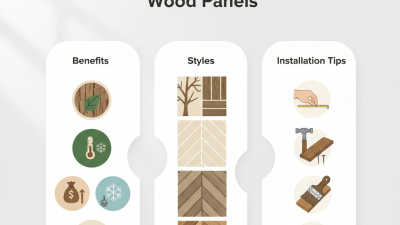
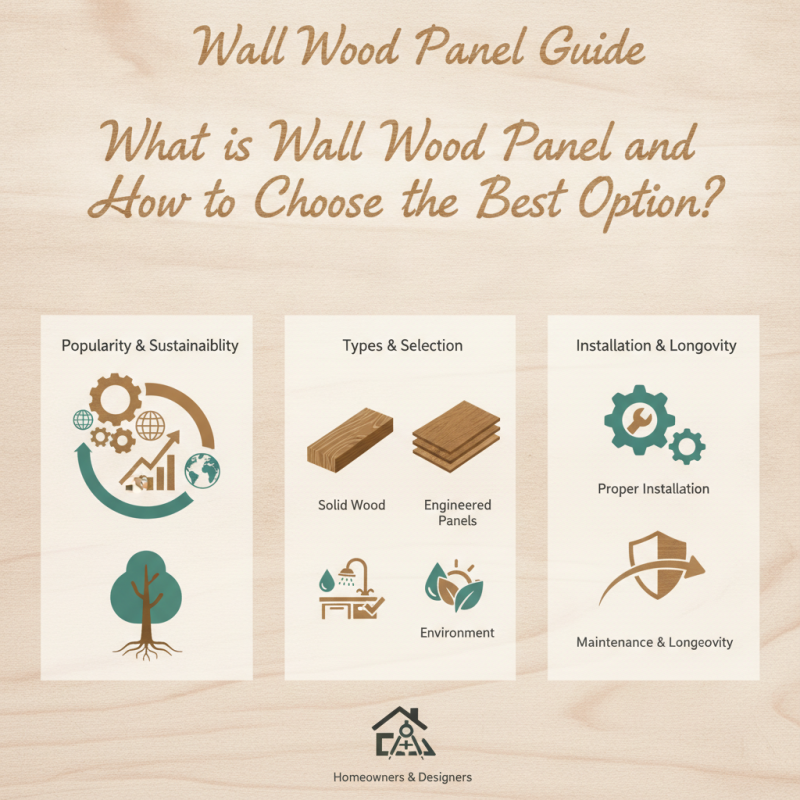
Wall Wood Panels have gained significant popularity in interior design. With the growing emphasis on sustainable materials, their appeal lies not just in aesthetics but also in functionality. According to the latest market research, the global wood panel market is projected to reach over $300 billion by 2025. This indicates a rising trend towards natural materials.
Choosing the best Wall Wood Panel can be overwhelming. Options range from solid wood to engineered panels. Each type serves different purposes and comes with distinct benefits. Experts emphasize the importance of selecting the right wood type for specific environments. For instance, certain woods resist moisture better, making them ideal for kitchens and bathrooms.
Investing in quality Wall Wood Panels can transform a space dramatically. However, consumers often overlook the need for proper installation and maintenance. These factors can significantly impact longevity and performance. Thus, understanding the nuances of different wall wood panels remains vital for homeowners and designers alike.
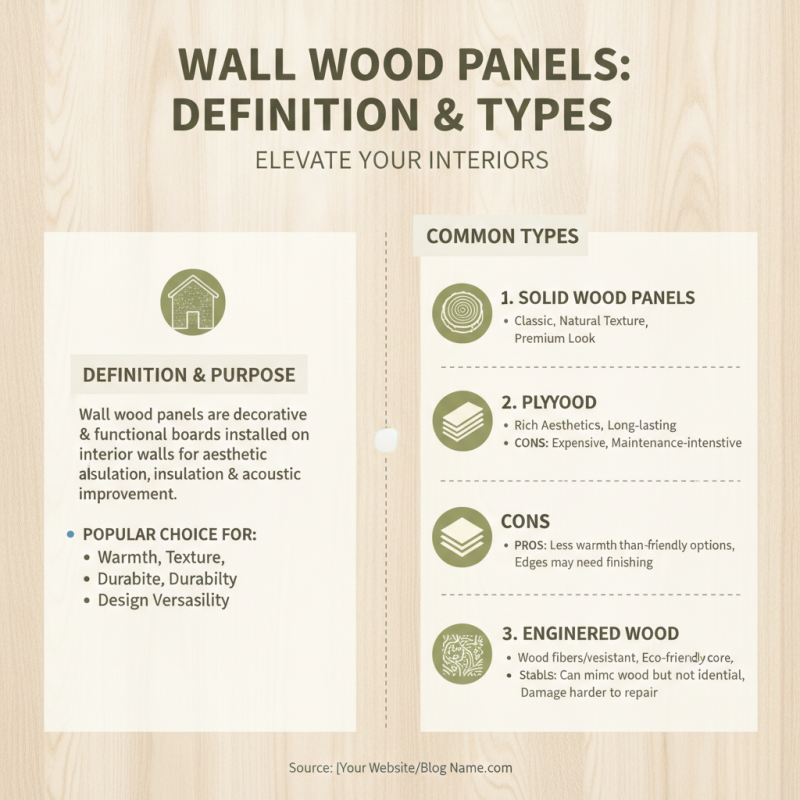
Wall wood panels are a popular choice for both aesthetic and functional purposes in interior design. They come in various types, including solid wood panels, plywood, and engineered wood options. Solid wood panels offer a classic look with rich natural textures. However, they can be expensive and require proper care. Plywood, on the other hand, is more affordable and stable but may not provide the same warmth as solid wood.
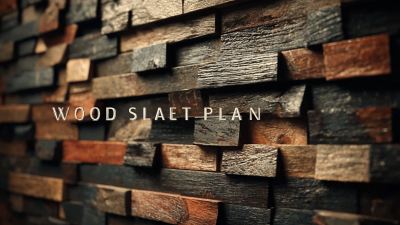
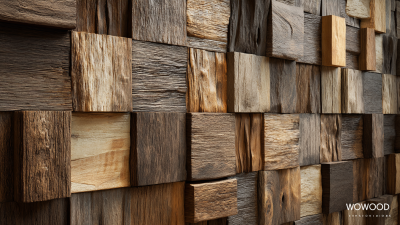
In terms of design, wall wood panels can transform a space dramatically. They can be painted, stained, or left in their natural state. Textured panels add depth and interest to walls, enhancing a room's character. However, it's crucial to consider the overall style of your home before making a choice. A rustic panel may clash with a modern decor. Additionally, installation can be tricky, and mistakes may lead to uneven surfaces. Researching various types and installation methods is advisable to avoid future issues. Balancing aesthetics and practicality is key when selecting wall wood panels.
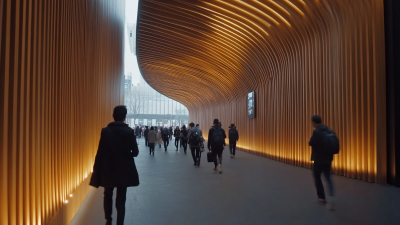
Wall wood panels offer several benefits that enhance interior design significantly. They create a warm, inviting atmosphere that can transform any space. The natural beauty of wood adds character and texture, making rooms feel cozier. In living rooms, a feature wall with wood panels can serve as a stunning focal point. The rich hues of wood create depth and interest in your design.
Using wall wood panels can also improve acoustics in a space. Wood naturally absorbs sound, which can make areas feel more serene. This is especially useful in home theaters or offices, where noise reduction is essential. Additionally, these panels can contribute to better insulation, helping regulate temperature and reduce energy costs.
However, not all wood panels are the same. Quality varies, and some might warp or fade over time. It's important to choose sourced wood that is sustainably harvested. Environmental factors should not be ignored. Consider how sunlight and humidity will affect your choice of wood panel. Research before committing; this ensures the best decision for your space.
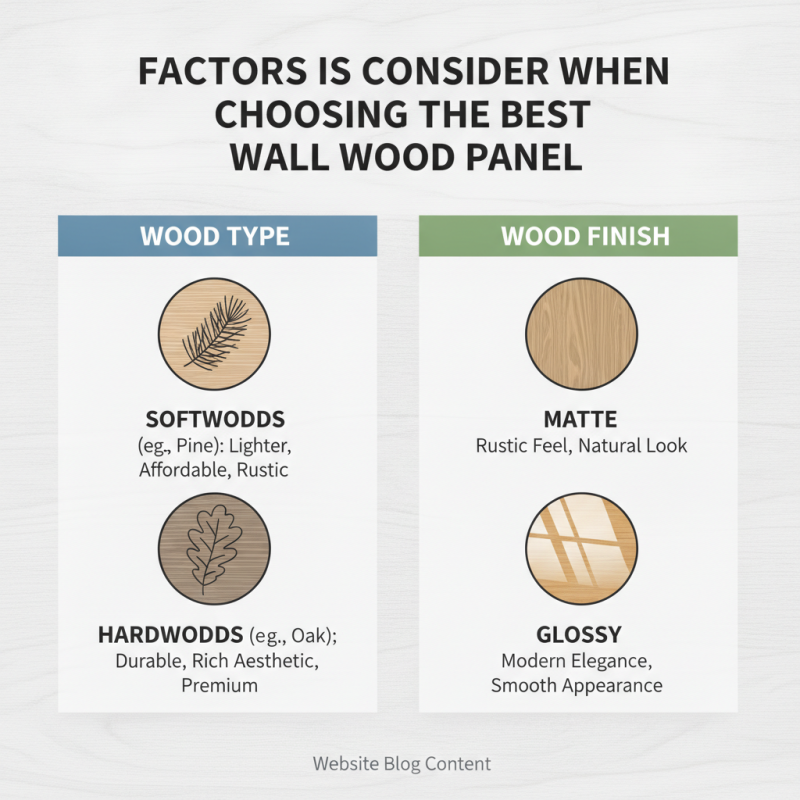
When selecting wall wood panels, several factors influence your decision. First, consider the type of wood. Softwoods, like pine, are lighter and more affordable. Hardwoods, such as oak, offer durability and a rich aesthetic. The wood’s finish is equally important. A matte finish provides a rustic feel, while a glossy finish can add modern elegance to your space.
Tips: Think about the installation process. Some wall panels come with adhesive backings, making them easier to install. Others require nails or screws, which demand more effort. Reflect on your DIY skills before diving in.
Also, pay attention to the panel size and pattern. Larger panels can create a seamless look. Smaller ones offer versatility for unique designs. Additionally, the thickness can impact sound insulation and insulation. It’s essential to choose a thickness that fits your room’s functional needs.
Tips: Test samples on your wall before making a final choice. Colors can appear different in natural light compared to store lighting. Evaluating a sample helps ensure you achieve the desired vibe in your space.
Wall wood panels can dramatically enhance the aesthetic of any space. Choosing the right material involves understanding the options available and their inherent pros and cons.
Plywood is a popular choice for wall panels. It is lightweight and easy to install. However, plywood may not be as durable as solid wood. Over time, moisture can warp its structure. Some people find it less appealing than solid wood. On the other hand, MDF (Medium Density Fiberboard) is cost-effective and provides a smooth finish. It is resistant to warping and can be painted easily. Yet, it lacks the natural look of real wood.
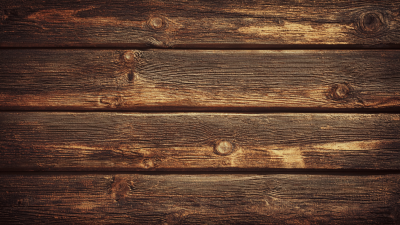
Solid wood panels offer unmatched durability and elegance. They bring a timeless charm to interiors. The downside is their higher cost and potential for expansion or contraction with humidity. Reclaimed wood is another unique option. It contributes to sustainability efforts and has character. However, sourcing quality reclaimed wood can be challenging, and it may require more maintenance. Each material presents trade-offs, ultimately reflecting personal taste and project needs.
Innovations in wall wood panel design are transforming interiors. Designers are using sustainable materials. These panels now offer unique textures and finishes. Trends include combining wood with metal or glass. This creates striking visual contrasts. It's a perfect blend of nature and modernity.
When choosing wall wood panels, consider their functionality. Not all wood panels are the same. Some offer better insulation, while others focus on aesthetics. Look for styles that suit your space. Rustic and reclaimed wood add character. Smooth finishes convey modern elegance.
Tips: Always check for certifications. Sustainable sourcing is crucial. Look for panels that have low VOC emissions to ensure a healthier indoor environment. Reflect on the installation process. Some panels may require professional help. Choose wisely to enhance your space effectively.