What is a Wall Panel? Exploring Types, Benefits, and Installation Guide
In recent years, wall panels have emerged as a versatile solution for enhancing both the aesthetic and functional qualities of interior spaces. These panels, which come in a variety of materials, styles, and finishes, not only provide a unique visual appeal but also offer practical benefits such as insulation, soundproofing, and ease of maintenance. This article delves into the different types of wall panels available on the market, highlighting their distinct features and the advantages they bring to residential and commercial settings alike.
Moreover, understanding the installation process for wall panels is crucial for achieving the desired look and performance. Whether you're a homeowner looking to revamp your living space or a contractor seeking efficient ways to improve construction projects, having a solid grasp of wall panel options and installation techniques can significantly influence your design decisions.
As we explore this topic, you'll find valuable tips and insights to help you make informed choices about wall panels that best suit your needs and preferences.
Understanding Different Wall Panel Types for Your Space
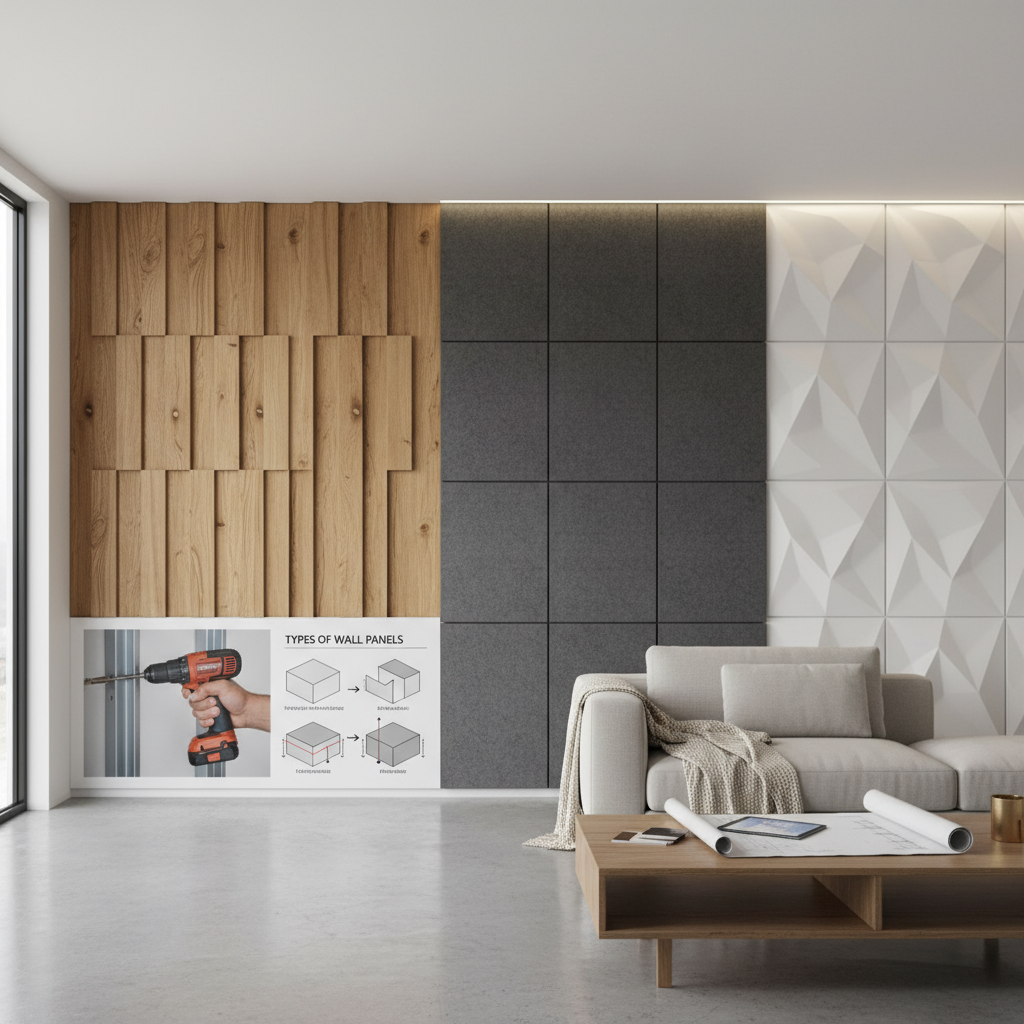
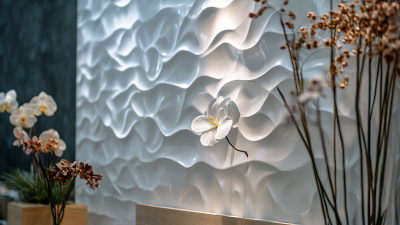
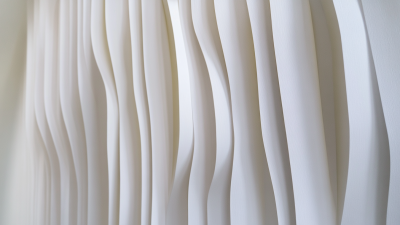
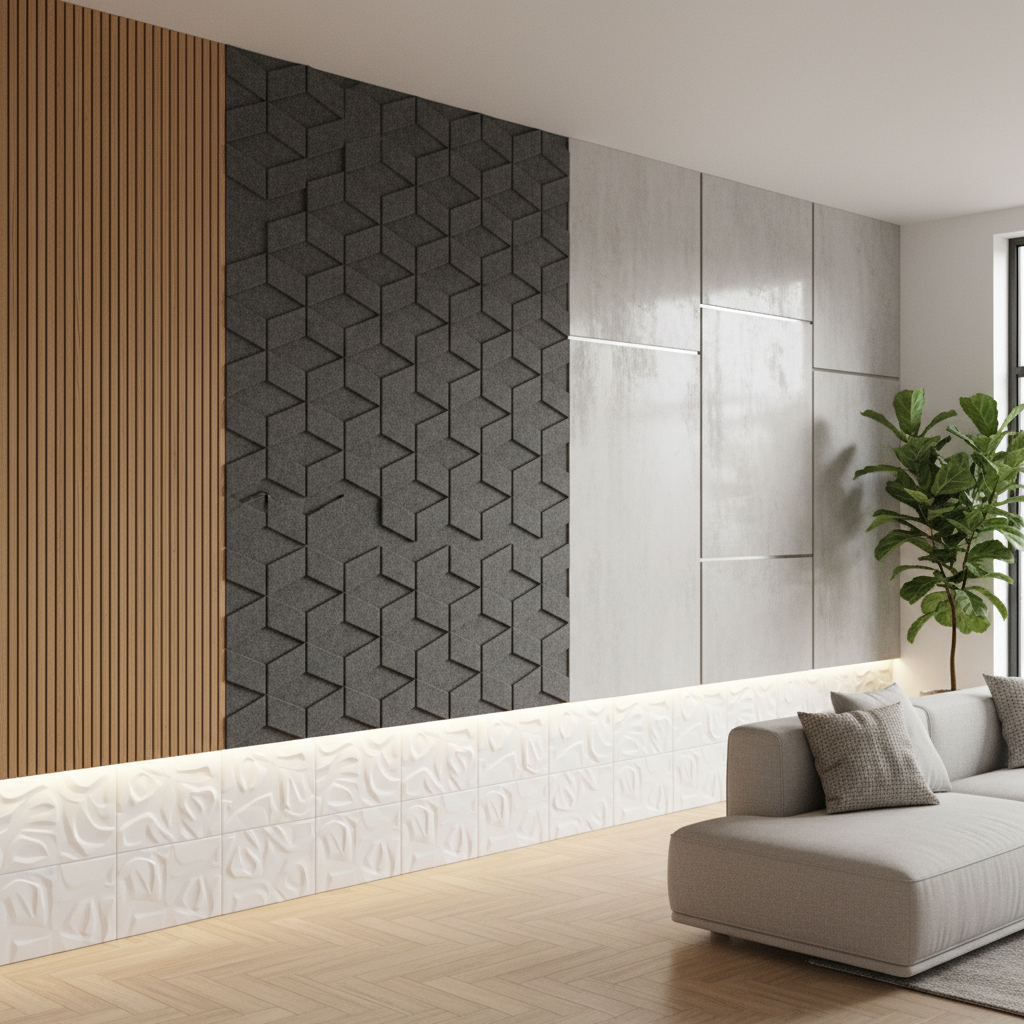
Wall panels are versatile design elements that play a significant role in how a space looks and feels. Among the various types available, wood panels impart a natural warmth and can be crafted into different styles, from rustic shiplap to modern tongue-and-groove. For those seeking durability, MDF panels offer a smooth finish that can easily be painted, while also being cost-effective. Alternatively, decorative wall panels made from materials like PVC can introduce textures and patterns, elevating the visual appeal of any room effortlessly.
In addition to aesthetic considerations, the choice of wall panel also influences functionality. Acoustic panels, for instance, are designed to absorb sound, making them ideal for media rooms or offices where noise reduction is a priority. On the other hand, moisture-resistant panels are essential in areas like bathrooms and kitchens, helping to prevent mold and damage. Understanding these different types allows homeowners and designers to make informed decisions that suit both their aesthetic preferences and practical needs, ensuring that the wall panels enhance the overall ambiance of their spaces.
Comparing Materials: Wood, Metal, Vinyl, and More
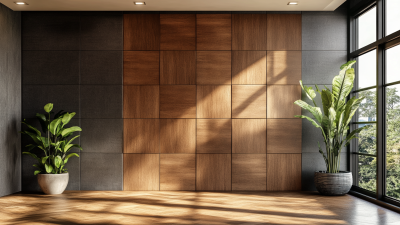
When considering wall panels, the choice of material greatly impacts both aesthetics and functionality. Wood panels, for instance, are celebrated for their natural warmth and appeal. According to a 2022 report by the Wood Products Council, approximately 70% of homeowners prioritize wood for its sustainability and ability to enhance interior spaces, contributing to higher property values. However, wood requires regular maintenance to prevent issues like warping and rot, making it less ideal for damp environments.
On the other hand, metal panels are gaining traction due to their durability and modern look. The Metal Building Manufacturers Association noted a 15% increase in metal panel installations over the past year, driven by their resistance to weather and fire. Vinyl panels present another option; they are lightweight and easy to maintain, with the Vinyl Siding Institute reporting that vinyl is chosen by 30% of homeowners for its cost-effectiveness and versatility in design. Ultimately, the choice between these materials will depend on the specific needs of the project, including climate, maintenance preferences, and budget considerations.
The Aesthetic Benefits of Wall Panels in Interior Design
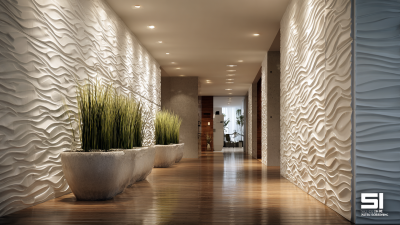
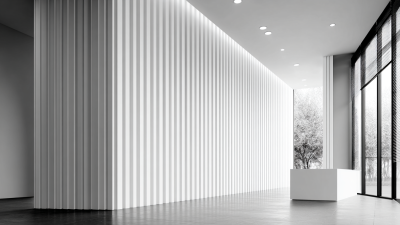
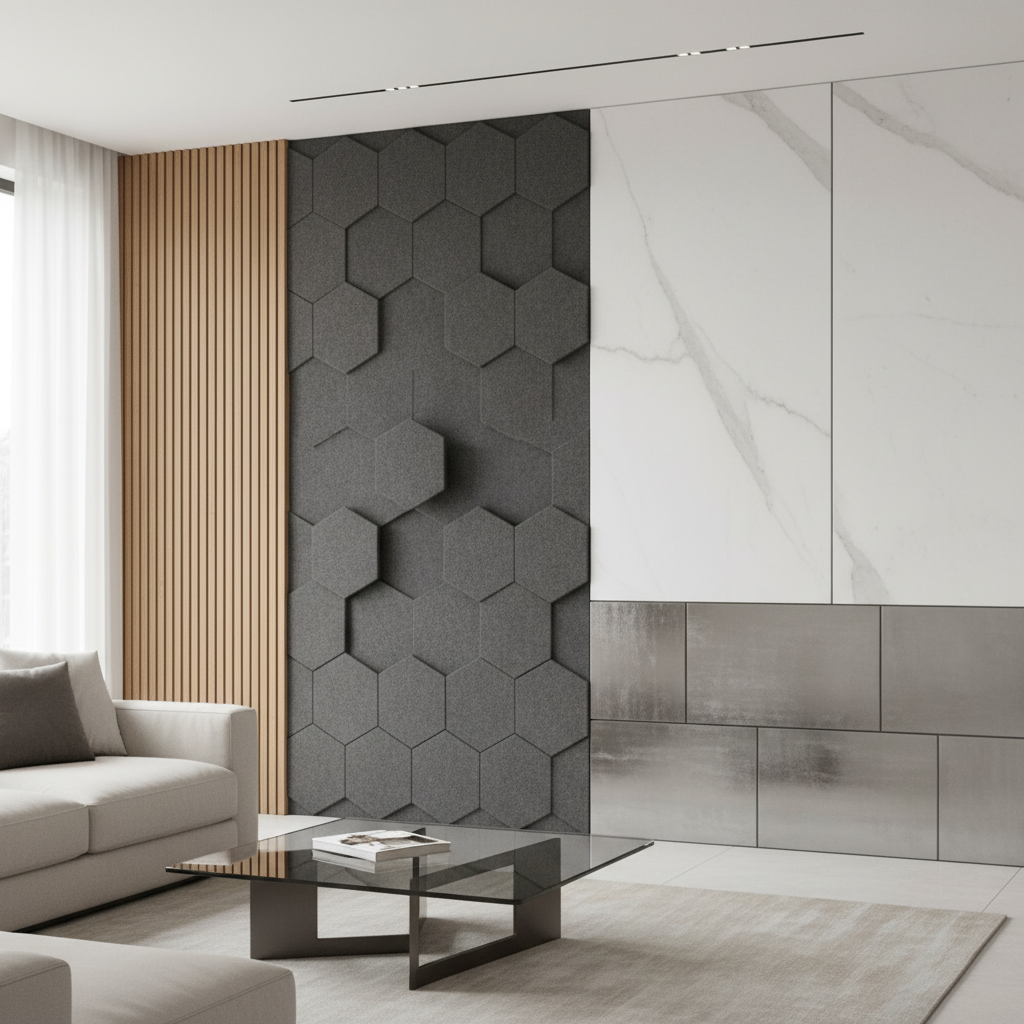
Wall panels have emerged as a transformative element in interior design, offering not just functional benefits but also significant aesthetic contributions. By introducing texture, color, and pattern, wall panels can elevate a space from ordinary to extraordinary. Whether opting for sleek, modern designs or rustic, wood finishes, wall panels provide versatility, allowing homeowners to express their unique style. They can create focal points within a room, with features like shiplap or wainscoting drawing the eye and adding dimension to flat surfaces.
Incorporating wall panels also enhances the overall ambiance of a space. Textured panels can soften acoustics, making a room feel cozier, while vibrant colors can infuse energy and zest into interiors. Additionally, wall panels can be used strategically to define areas within open-concept designs, creating visual separation without the need for physical barriers. Overall, their aesthetic versatility and ability to enhance existing decor make wall panels a sought-after choice for homeowners and designers alike, proving that thoughtful design elements can dramatically influence the feel of a living space.
Installation Methods: DIY vs. Professional Help
When considering wall panel installation, homeowners often face the choice between DIY methods and hiring professional help. According to a recent industry study by Remodeling Magazine, around 50% of homeowners opt for professional installation to ensure a high-quality finish and timely completion. Professional installers typically bring years of experience and the proper tools, which can significantly reduce the risk of errors that may lead to costly repairs down the line.
On the other hand, DIY installation appeals to those looking to save on labor costs, with many finding that they can complete the job themselves for 30-50% less than hiring a professional. Resources like home improvement blogs and video tutorials have made it easier than ever for DIY enthusiasts to tackle wall panel projects. However, a survey by HomeAdvisor reveals that 60% of DIY projects exceed their budget, often due to the need for specialized tools or unexpected issues. Therefore, while DIY can be rewarding and cost-effective, assessing one's skills and the complexity of the project is crucial before committing to this route.
Wall Panel Installation Methods: DIY vs. Professional Help
Maintenance Tips for Longevity of Wall Panels
 Proper maintenance of wall panels is essential to ensure their longevity and
aesthetic appeal. Regular cleaning is important, as dirt and grime can accumulate over time, leading to deterioration. For most wall panel materials, a simple mixture of mild soap and water can be used to wipe down surfaces. It's crucial to avoid
abrasive cleaners that can scratch or damage the panel. Additionally, periodic inspections should be conducted to check for any signs of
wear, warping, or moisture damage, particularly in areas exposed to humidity.
Proper maintenance of wall panels is essential to ensure their longevity and
aesthetic appeal. Regular cleaning is important, as dirt and grime can accumulate over time, leading to deterioration. For most wall panel materials, a simple mixture of mild soap and water can be used to wipe down surfaces. It's crucial to avoid
abrasive cleaners that can scratch or damage the panel. Additionally, periodic inspections should be conducted to check for any signs of
wear, warping, or moisture damage, particularly in areas exposed to humidity.
Another key maintenance tip involves the proper handling of wall panels during cleaning or renovations. When moving furniture or other items near paneling, care should be taken to avoid
impact that could cause dents or scratches. If water leaks are detected, they should be addressed immediately to prevent mold growth and damage. Furthermore, ensuring that walls are well-ventilated can help prevent moisture build-up, which is particularly important for wood-based panels.
By implementing these preventive measures, wall panels can retain their structural integrity and continue to enhance the
interior aesthetics for years to come.