China Top 10 Wood Panel Brands You Need to Know?
When it comes to interior design and construction, "Wood Panel" plays a pivotal role. Its aesthetic appeal and versatility make it a favored choice for many. However, not all wood panels are created equal. Choosing the right brand can significantly impact your project's outcome.
China houses some of the most reputable wood panel brands in the industry. These brands not only deliver quality but also showcase innovative designs. Their products cater to various needs, from residential spaces to large commercial projects. It's important to focus on durability, sustainability, and practicality.
Nevertheless, the market can be overwhelming. There are numerous options available, and not all brands provide the same level of service and reliability. Potential buyers should research and compare. Understanding the strengths and weaknesses of each brand can lead to better decision-making. This journey may reveal more questions than answers, but it is essential for achieving the desired results in any wood panel application.
Overview of the Wood Panel Industry in China
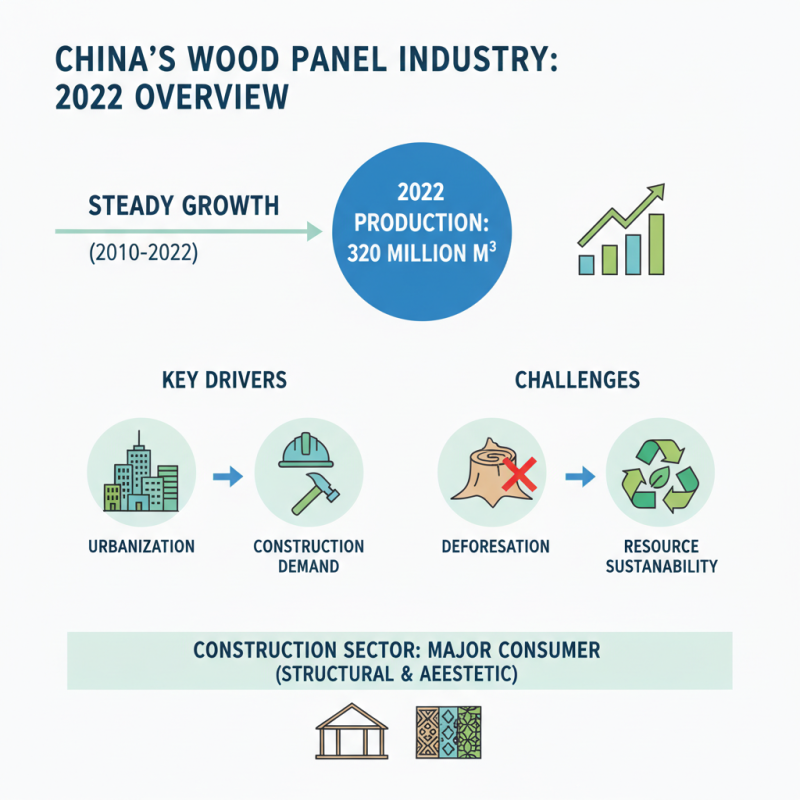
The wood panel industry in China has seen significant growth in recent years. In 2022, China's production of wood panels reached approximately 320 million cubic meters, reflecting a steady increase driven by urbanization and construction demands. The construction sector heavily relies on wood panels for both structural and aesthetic purposes. However, the industry faces environmental concerns due to deforestation and the sustainability of resources.
In terms of market trends, the demand for engineered wood products is increasing. Reports suggest that these products account for around 60% of total wood panel consumption in China. The rise is attributed to their versatility and strength. Yet, the industry struggles with issues related to quality control and standardization. Many manufacturers lack adherence to rigorous quality standards, affecting consumer trust.
Additionally, the industry grapples with competition from international firms. Despite a strong local market, foreign products often meet stricter environmental and quality regulations. This imbalance can hinder the development of domestic brands. Overall, while the wood panel industry in China shows promising growth, it also faces challenges that need to be addressed.
Criteria for Evaluating Top Wood Panel Brands
When choosing wood panel brands, certain criteria can help identify quality products. One crucial factor is material sourcing. Quality wood panels come from responsibly managed forests. This ensures durability and sustainability. Next, consider the manufacturing process. Advanced technology enhances strength and appearance. Look for panels that undergo rigorous testing.
Tips: Always inquire about certifications. Verified products often align with environmental standards. Reviews offer insights into user experiences. Do check for any common issues mentioned.
Another vital factor is design versatility. Brands that offer a variety of finishes and styles allow for creative freedom. However, beware of trends that may not last. The adaptability of wood panels is key for long-term use. Evaluate how these panels fit within your aesthetic goals.
Tips: Visit showrooms to see colors and textures. This can prevent regret later. Pay attention to maintenance information as well. Knowing the care required can save time and effort down the road.
Detailed Profiles of the Top 10 Wood Panel Brands in China
In the world of wood panels, China hosts several leading brands that define quality and craftsmanship. Understanding these brands can help you make informed choices for your projects. Each brand offers unique features, catering to diverse preferences in style and sustainability. Consumers often appreciate options in texture and color, which impact the overall aesthetic of a space.
Tip: When selecting wood panels, consider the finish and durability. These factors influence maintenance and longevity. Look for materials that are eco-friendly. Many brands now focus on sustainable sourcing.
Choosing a wood panel isn't as straightforward as it seems. Design intentions, room function, and personal taste all play a role. Some brands emphasize traditional manufacturing techniques, which might appeal to those who value heritage. In contrast, others push for modern, innovative designs that challenge norms.
Tip: Always request samples before purchasing large quantities. This helps visualize how panels fit into your home. It's a small step that can save time and money later.
China Top 10 Wood Panel Brands You Need to Know?
| Rank |
Brand |
Market Share (%) |
Establishment Year |
Main Products |
Headquarters |
| 1 |
Brand A |
25 |
1995 |
Plywood, MDF |
Beijing |
| 2 |
Brand B |
20 |
2001 |
Particleboard, OSB |
Shanghai |
| 3 |
Brand C |
15 |
1998 |
Plywood, Veneer |
Guangzhou |
| 4 |
Brand D |
10 |
2005 |
MDF, HDF |
Shenzhen |
| 5 |
Brand E |
8 |
2010 |
Plywood, Composite |
Hangzhou |
| 6 |
Brand F |
7 |
2015 |
OSB, MDF |
Wuhan |
| 7 |
Brand G |
5 |
2012 |
Plywood, MDF |
Chengdu |
| 8 |
Brand H |
4 |
2003 |
HDF, Plywood |
Nanjing |
| 9 |
Brand I |
3 |
2016 |
Composite, Veneer |
Xi'an |
| 10 |
Brand J |
2 |
2014 |
MDF, OSB |
Tianjin |
Innovative Technologies in Wood Panel Production
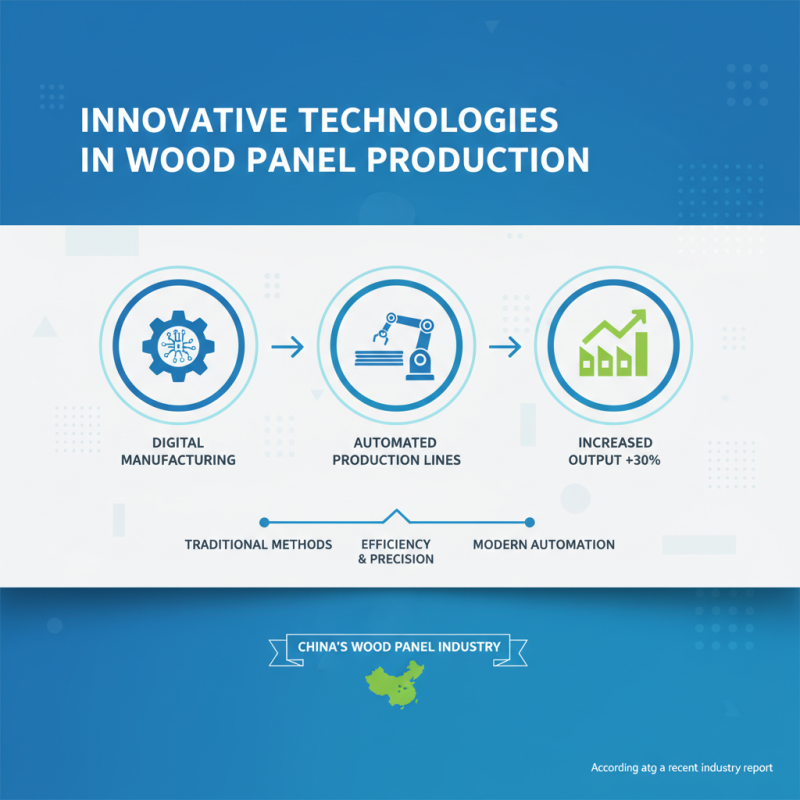
The wood panel industry in China is undergoing rapid transformation, driven by innovative technologies. Digital manufacturing is a key player. It enhances efficiency and precision. According to a recent industry report, automated production lines can increase output by 30% compared to traditional methods. This is crucial in a competitive market.
Sustainability is another area of focus. Advanced technologies help minimize waste during production. For instance, using artificial intelligence can optimize wood cutting patterns. Studies show that this can reduce material waste by up to 15%. Such innovations not only benefit manufacturers but also contribute to environmental sustainability.
However, challenges remain. Despite technological advances, many companies still rely on outdated practices. The transition to newer technologies can be slow. Resistance to change and high initial costs deter some businesses. The need for ongoing training in the workforce is essential. Balancing modernization and tradition is a complex task for many in the industry.
Market Trends and Future Outlook for Wood Panels in China
The wood panel market in China is evolving rapidly. As urbanization accelerates, the demand for high-quality wood panels is increasing. Manufacturers are stepping up to meet this trend. They focus on sustainable sourcing and innovative production methods. This shift aims to address environmental concerns and resource depletion.
While growth is promising, challenges remain. The availability of raw materials can fluctuate due to various factors. Economic conditions may also impact production costs and pricing. Additionally, consumer preferences are shifting. Buyers are becoming more eco-conscious, seeking products that reflect their values. Brands must adapt to these changes or risk falling behind.
The future outlook appears bright, yet uncertainties linger. Rising competition and market saturation present hurdles. Manufacturers need to invest in research and development. Emphasizing durability and design can attract discerning customers. Collaboration with designers and architects may enhance visibility. A proactive approach towards these shifts can pave the way for success in this dynamic market.