Top 10 Tips for Choosing the Best Decking Composite for Your Outdoor Space
When considering the perfect enhancement for your outdoor space, selecting the right decking composite is a crucial decision that can significantly impact both aesthetics and functionality. Decking composites have surged in popularity due to their durability, low maintenance requirements, and eco-friendly attributes. As homeowners seek to create inviting areas for relaxation and entertainment, understanding the nuances of various decking composite options becomes vital.
In this guide, we will delve into the top 10 tips for choosing the best decking composite to suit your design preferences and lifestyle needs. From examining the different materials on the market to considering factors such as color, texture, and slip resistance, we’ll provide valuable insights to help you make an informed choice. With the right decking composite, you can transform your outdoor environment into a beautiful and practical retreat that stands the test of time.
Understanding the Different Types of Composite Decking Materials Available
When selecting the best composite decking materials for your outdoor space, it’s crucial to understand the different types available on the market. Composite decking typically consists of a blend of wood fibers and plastic, which provides durability and reduces the need for frequent maintenance. The two main categories are capped and uncapped composite decking. Capped composite decking has a protective layer that shields it from moisture, fading, and stains, making it a popular choice for homeowners wanting longevity and aesthetic appeal.
In addition to capped and uncapped options, consumers should also consider the material composition. Wood-plastic composites (WPC) combine real wood fibers with recycled plastics, offering a natural look while enhancing resistance to rot and insects. Meanwhile, plastic lumber is made entirely of recycled plastics, providing superior moisture resistance and a virtually maintenance-free experience. Understanding these variations will empower you to make an informed decision, ensuring your decking meets both functional needs and visual preferences.
Composite Decking Material Comparison
Evaluating Durability and Weather Resistance for Long-lasting Performance
When selecting the perfect composite decking for your outdoor space, durability and weather resistance are crucial factors to consider. The right materials will not only enhance the beauty of your patio but will also withstand harsh elements over time. Look for decking products that are engineered with advanced technologies to resist fading, staining, and scratching, ensuring your outdoor area remains pristine for years to come.
One key tip is to check the manufacturer's warranty, as reputable brands usually offer extensive guarantees that reflect their confidence in durability. Additionally, pay attention to the material's resistance to moisture, as moisture-related damage can significantly reduce the lifespan of your decking. Choosing a composite that has enhanced weather resistance will prevent warping and cracking caused by extreme temperatures and precipitation.
Finally, consider the overall maintenance requirements of the decking. Opt for low-maintenance composites that don’t require frequent sealing or staining. This will not only save you time and effort but also ensure that your outdoor space remains inviting and functional. By focusing on these elements, you can make a well-informed decision that prioritizes longevity and resilience for your deck.
Choosing the Right Aesthetic: Color and Texture Options for Your Decking
When choosing the best decking composite for your outdoor space,
color and texture play a crucial role in establishing the overall aesthetic.
The latest advancements in composite decking offer an array of colors that cater to various design preferences.
For instance, newer mid-tier options now feature heat-resistant colors, allowing for aesthetic flexibility without sacrificing performance.
Opting for a color that harmonizes with your home’s exterior can create a seamless transition from indoor to outdoor spaces, enhancing your overall landscape.
In addition to color, texture is essential in adding depth and visual interest to a deck.
Whether you prefer a smooth finish that exudes modern sophistication or a more textured surface that evokes a rustic charm,
the texture of your decking can significantly influence the ambiance of your outdoor area.
Exploring different finishes can also improve safety and comfort, especially when considering foot traffic and weather elements.
By carefully selecting the right combination of color and texture,
you can transform your decking into a stunning focal point that complements your outdoor living experience.
Budgeting Wisely: Balancing Quality and Cost in Composite Decking Choices
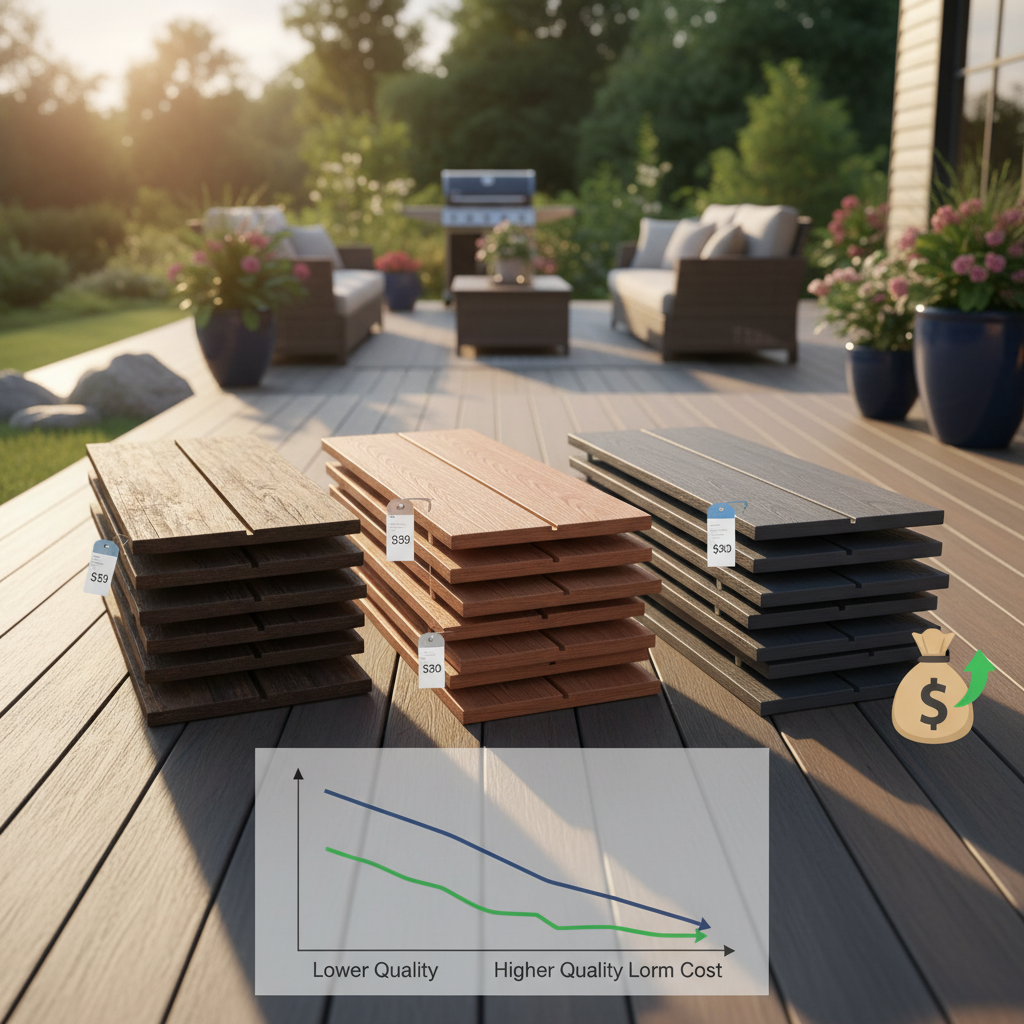
When selecting the ideal composite decking for your outdoor area, budgeting wisely is paramount. A common misconception is that the highest price guarantees the best quality. While it is essential to invest in a durable product, it’s also crucial to evaluate the long-term costs associated with maintenance and replacement.
Higher-quality composites might require a larger initial investment but could save you money over time due to their durability and reduced upkeep needs.
To strike the right balance between quality and cost, start by researching materials and their lifespans. Look into warranties offered by manufacturers; a longer warranty often indicates a commitment to quality. Additionally, consider installation costs, as some composite products may be easier to install than others, saving you on labor expenses. By clearly defining your budget and comparing the features and life expectancy of various products, you can make an informed decision that suits both your financial plan and your outdoor lifestyle.
Considering Eco-Friendliness: Sustainable Options for Your Outdoor Space
When choosing decking composites for your outdoor space, it’s essential to prioritize eco-friendliness alongside aesthetics and durability. Look for materials that are made from recycled or sustainable sources. For instance, many companies are now producing eco-friendly outdoor furniture and decking materials that use reclaimed wood fibers or recycled plastics, drastically reducing environmental impact.
Additionally, consider the longevity and maintenance requirements of your chosen materials. Opting for products that require fewer resources for upkeep means less overall waste. Implementing sustainable practices, like using smaller pools and enhancing outdoor living spaces with decks and patios, can maximize utility while being kind to the planet.
Also, remember that your decking choices can contribute to broader sustainability efforts. Choose brands that focus on innovative, eco-conscious designs, as this not only supports the environment but also aligns with the growing consumer preference for sustainable living products. By making informed decisions, you can create an outdoor space that is both beautiful and environmentally responsible.
Top 10 Tips for Choosing the Best Decking Composite for Your Outdoor Space - Considering Eco-Friendliness: Sustainable Options for Your Outdoor Space
| Tip |
Description |
Eco-Friendliness Rating |
Durability |
| 1. Research Material Options |
Investigate different composite materials and their eco-credentials. |
High |
High |
| 2. Check Recycled Content |
Choose composites with a high percentage of recycled materials. |
Medium |
Medium |
| 3. Evaluate Lifespan |
Consider the anticipated lifespan of the composite to reduce waste. |
High |
High |
| 4. Look for Certifications |
Choose brands that are certified for sustainability by recognized bodies. |
High |
High |
| 5. Assess Maintenance Needs |
Select composites that require low maintenance to extend their life. |
Medium |
High |
| 6. Compare Costs |
Budget for upfront costs versus long-term savings from durability. |
Low |
Medium |
| 7. Review Environmental Impact |
Consider the environmental impact of production and transportation. |
High |
Low |
| 8. Seek Local Suppliers |
Buying locally reduces carbon footprint associated with transport. |
Medium |
Medium |
| 9. Consider Heat Resistance |
Choose materials that resist fading and warping due to heat. |
Medium |
High |
| 10. Read Customer Reviews |
Research user experiences to gauge long-term satisfaction. |
Medium |
Medium |