Top Tips for Choosing the Right Plastic Sheet for Your Project?
Choosing the right Plastic Sheet for your project can be challenging. With so many options available, making the ideal choice is crucial. Each project has unique needs, and selecting the wrong plastic can lead to frustration.
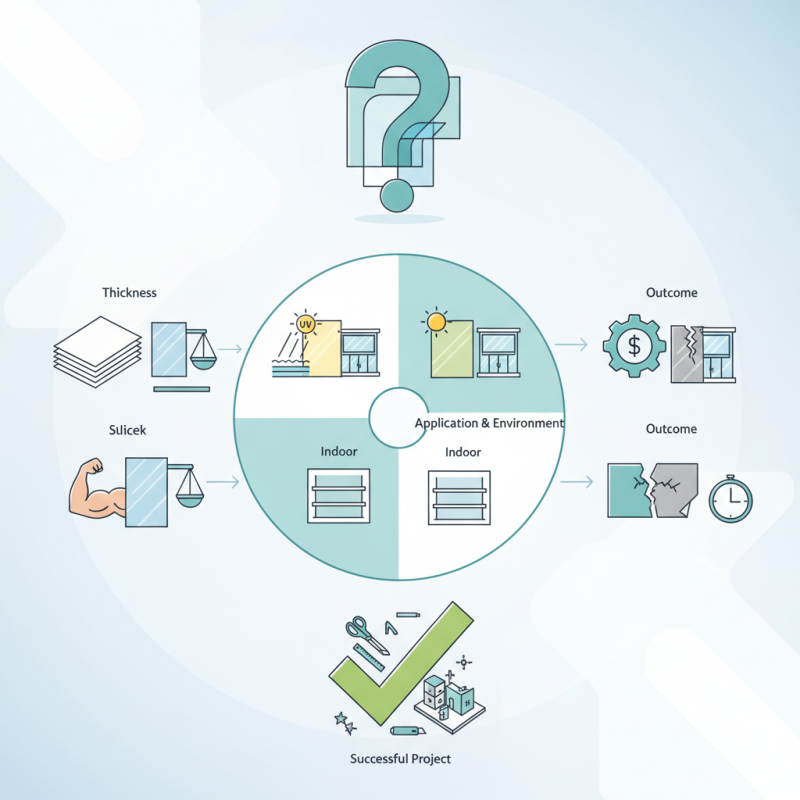
Consider the thickness of the Plastic Sheet. Thicker sheets offer durability, but they may be heavier and harder to manipulate. Lighter sheets are easier to handle, but may not withstand pressure. You must weigh these factors carefully.
Think about the specific application and environment where the sheets will be used. Will they be exposed to sunlight? Are they needed for indoor or outdoor use? Evaluating these details will guide your decision and potentially save you time and money in the long run. Remember, the right Plastic Sheet is vital for a successful outcome.
Understanding Different Types of Plastic Sheets Available on the Market
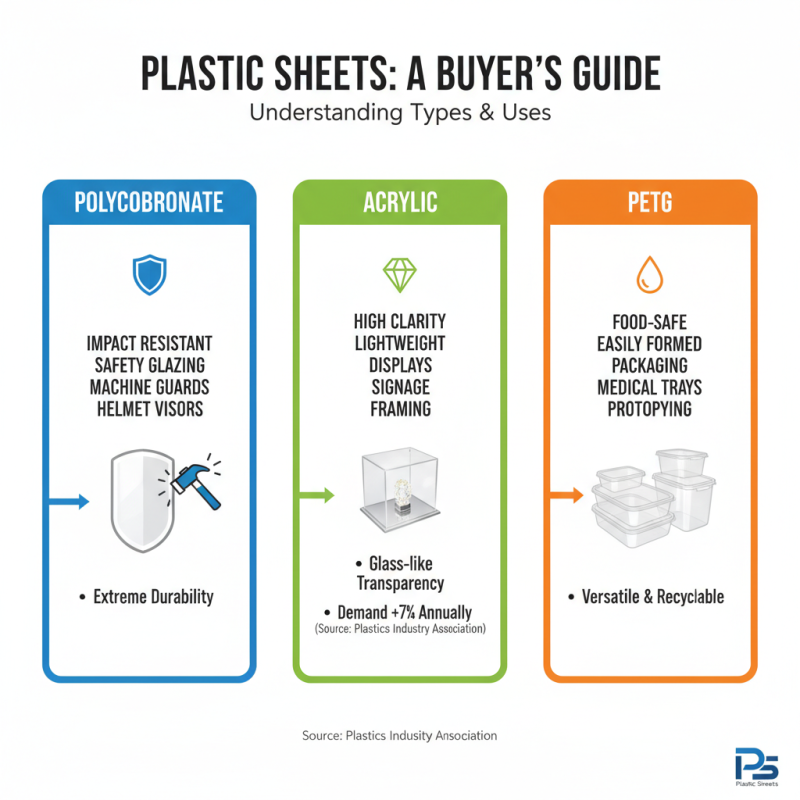
When choosing a plastic sheet, understanding the types available is crucial. Polycarbonate, acrylic, and PETG are among the most popular choices. Each material has unique properties that may affect your project. For instance, polycarbonate is known for its impact resistance, making it ideal for safety applications. Acrylic, on the other hand, offers clarity and is lightweight, making it suitable for aesthetic applications. Data from the Plastics Industry Association shows that the demand for acrylic sheets has increased by 7% annually, reflecting their growing popularity.
Not all plastic sheets are created equal. Things like UV resistance, thickness, and flexibility also matter. Polypropylene is another versatile option. It’s resistant to chemicals but lacks the clarity of acrylic. You might find that your choice requires compromises. For example, while polycarbonate excels in durability, it can be heavier and less aesthetically pleasing than acrylic. The right choice often depends on your specific project needs and constraints. Reviewing these properties can lead to better decisions, but it also invites reflection on how misjudgments in material selection could lead to project failures. Remember, a lack of clarity on requirements can lead to costly mistakes.
Evaluating the Properties of Plastic Sheets for Your Specific Needs
When selecting a plastic sheet for your project, understanding its properties is key. Each type of plastic offers unique features. Some are sturdy, while others are flexible and lightweight. For instance, acrylic sheets are clear and shatter-resistant, making them ideal for display cases. On the other hand, polycarbonate sheets are exceptionally strong but can be prone to scratching.
Consider UV resistance for outdoor projects. You may need a plastic that can withstand sunlight without degrading. Not all plastics are created equal in this respect. Look for materials that provide protection from harmful rays. Easy maintenance should also be a priority. Some plastics need special cleaners while others are simple to keep clean.
Reflect on your needs. Do you require durability or cost-effectiveness? Maybe you want a balance of both. It's essential to assess your project's demands. Testing samples can help inform your decision. Keep in mind that your choice may impact the final outcome significantly.
Top Tips for Choosing the Right Plastic Sheet for Your Project
This chart compares the strength and impact resistance of different types of plastic sheets commonly used in projects. It's crucial to evaluate these properties to choose the right material for your specific needs.
Key Factors to Consider When Choosing Plastic Sheet Thickness
When selecting the right plastic sheet, thickness is a vital factor. Thickness directly influences strength, flexibility, and durability. For instance, reports indicate that sheets around 1/8 inch thick offer a good balance between rigidity and lightweight handling. For structural applications, consider thicknesses of 1/4 inch or more. They're often essential for enduring heavy loads or stress.
Here are some tips for choosing thickness wisely. Assess load requirements early. Research shows that a thicker sheet can double the load capacity. Use calipers to measure existing materials you wish to replace. This precision helps to select a compatible thickness. Ensure your choice aligns with your project’s environmental conditions as well. High UV exposure can necessitate thicker sheets to maintain integrity over time.
However, not all projects require maximum thickness. A lighter option may suffice for temporary barriers. Consider the application’s lifespan. Thicker sheets have higher costs—sometimes unnecessarily so. Comparison shopping could reveal varying prices for similar thicknesses. What’s suitable for one application may not suit another. Evaluate your needs thoroughly.
Top Tips for Choosing the Right Plastic Sheet for Your Project
| Key Factor |
Description |
Recommended Thickness (mm) |
| Durability |
Consider the environment the sheet will be used in, including exposure to UV light, chemicals, and physical stress. |
2-5 |
| Weight |
Choose a thickness that balances strength and weight for ease of handling and installation. |
3-8 |
| Cost |
Thicker sheets generally cost more, so determine your budget before making a choice. |
1-7 |
| Transparency |
For applications requiring visibility, select a thickness that maintains clarity while providing adequate strength. |
2-6 |
| Insulation |
Select a thicker sheet for better thermal insulation properties, especially in outdoor applications. |
4-10 |
| Flexibility |
For projects requiring bending or shaping, thinner sheets are usually more flexible. |
1-3 |
Comparing Cost and Durability of Various Plastic Sheet Materials
When considering plastic sheets for your project, it's crucial to analyze cost and durability. PVC, for instance, is widely noted for its affordability. According to a recent industry report, PVC sheets can cost around $1.50 to $3.00 per square foot. They are relatively durable, but exposure to UV light can cause degradation over time. If you're looking for something more robust, consider polycarbonate. While it might be pricier—about $3.00 to $6.00 per square foot—its strength and impact resistance are unparalleled. On the flip side, its higher cost can be a deterrent for budget-conscious consumers.
A tip to keep in mind: always weigh the long-term benefits against the upfront costs. Acrylic sheets offer a balance between price and resilience. They generally range from $2.50 to $5.00 per square foot. However, they scratch more easily than other materials and may require protective coatings. Reflect on the specific demands of your project. Consider whether temporary solutions could suffice or if investing in durability is essential.
Another aspect to ponder is how external factors might affect your choice. For example, high temperatures may warp certain plastics. Ensuring that your selected material suits the conditions of use can prevent future hassles. To make informed decisions, conduct thorough research on the impact of environmental factors on your chosen sheets.
Applications of Plastic Sheets: Selecting the Right Type for Your Project
When selecting the right plastic sheet for a project, understanding its applications is crucial. Various types of plastic sheets serve distinct industries. For example, polycarbonate sheets are favored for their high impact resistance, making them ideal for safety shields and greenhouse roofs. In contrast, acrylic sheets offer excellent clarity and weather resistance, common in signage and display cases. According to a recent industry report, the global market for plastic sheets is projected to reach $45 billion by 2025, highlighting their wide-ranging applications.
Consider the environment where the plastic sheet will be used. Will it be exposed to UV light? If so, UV-stabilized options like polycarbonate are necessary. For harsh chemicals, using chemically resistant materials becomes essential. A survey indicated that 70% of professionals see performance as a key factor in selection. Moreover, costs can vary significantly. Choosing a cheaper material might save money initially, but it could lead to durability issues. Reflect on long-term effects when making your choice. Ultimately, the right selection balances performance, cost, and environmental suitability.