Top 10 Tips for Choosing the Best Decorative Panels?
Choosing the right decorative panels can significantly enhance the aesthetic of any space. According to a recent report by the Decorative Panels Association, the market for decorative panels has grown by 15% over the past year. This underscores the increasing popularity of these versatile design elements. Industry expert, Sarah Thompson, emphasizes, "Decorative panels are not just about looks; they also influence how we perceive the space around us."
When selecting decorative panels, several factors come into play. Material quality, sustainability, and design trends should all be carefully considered. The wrong choice can lead to unsatisfactory results. For instance, a poorly finished panel may not only diminish the overall appeal but can also impact durability. It’s essential to weigh the pros and cons of different options.
Moreover, decorative panels cater to various styles and preferences. From modern to classic designs, the options are vast. Yet, many consumers often overlook practical aspects like installation and maintenance. Making informed decisions ensures you create a space that not only looks good but also stands the test of time.

Understanding the Different Types of Decorative Panels in 2023
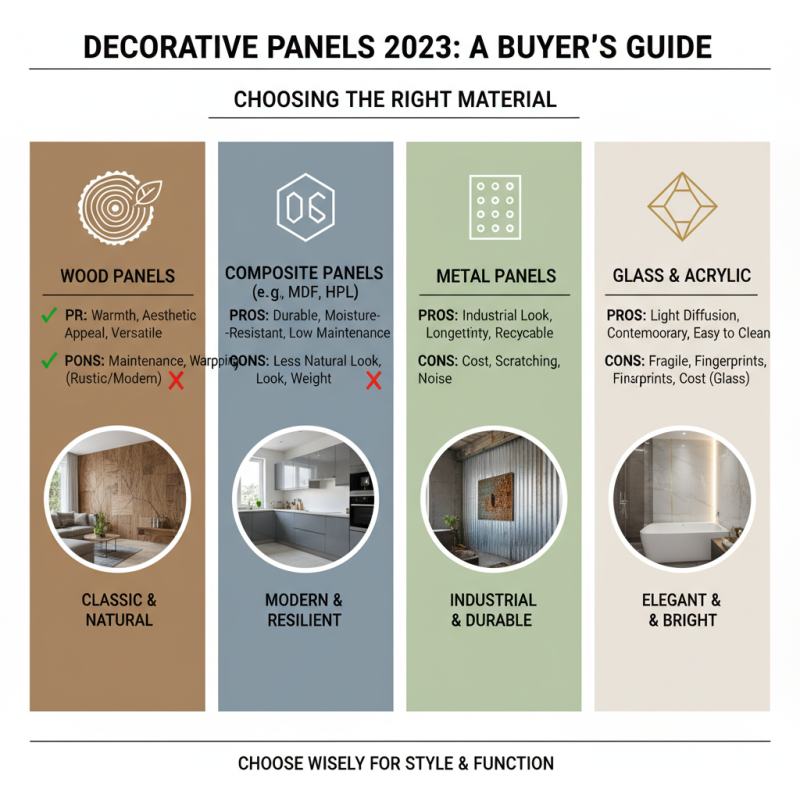
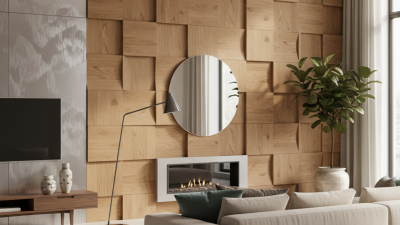
When choosing decorative panels, understanding the types available is crucial for making the right decision. In 2023, the market offers a diverse range of materials, each with unique characteristics. Wood panels remain popular for their warmth and aesthetic appeal. They can enhance a rustic interior or a modern design. However, natural wood requires regular maintenance and may warp over time.
Metal panels are making a significant impact. Lightweight aluminum and steel options provide durability and a contemporary feel. According to a report by the International Panel Industry Association, metal panels accounted for 30% of the market share in 2023. They are often chosen for their resistance to weather conditions, making them suitable for both indoor and outdoor use.
Fabric and vinyl panels are versatile and cost-effective. They offer easy installation and a wide range of patterns. However, they may not provide the same level of insulation and durability as other materials. Many buyers prioritize aesthetics over functionality, which can lead to regrets later on. Therefore, it's essential to weigh the benefits and drawbacks of each panel type before making a choice.
Key Materials Used in Decorative Panels and Their Impact on Aesthetics
When selecting decorative panels, materials play a crucial role in aesthetics.
Wood panels exude warmth and charm. Their natural grains can transform a space.
However, they may not suit every environment. The risk of warping in high humidity areas is a concern.
Therefore, consider the setting before choosing.
Metal panels offer a modern look. They are durable and eye-catching.
The sleek finish can elevate a room's style. Yet, their reflective nature may be overwhelming in some designs.
Balancing metal accents with softer materials can be tricky but rewarding.
Plastic panels provide versatility. They come in various designs and colors.
This option is lightweight and usually more affordable. However, they might lack the sophisticated touch of natural materials.
Understanding the desired aesthetic can guide your choice effectively. Each material carries unique properties that impact the final appearance.
Evaluating the Cost-Effectiveness of Decorative Panels for Your Space
Choosing decorative panels involves more than aesthetics. Cost-effectiveness is crucial. Analyze your budget before making a decision. Decorative panels can vary widely in price. Some options may look appealing but might strain your finances in the long run. It’s essential to weigh initial costs against the potential value they add to your space.
Consider the longevity of the panels. Cheaper materials may require frequent replacements. This can lead to higher expenses over time. Investing in quality products can save money. Additionally, explore installation costs and maintenance. Some panels may require professional installation, increasing your overall expenses.
Think about the energy efficiency of the materials you choose. Some decorative panels can improve insulation. This can lower your energy bills. Also, reflect on the panel's impact on resale value. High-quality decorative panels can enhance your home’s appeal, potentially leading to a better sale price. Making informed choices is essential for maximizing value while staying within budget.
Top Trends in Decorative Panel Designs: What’s Popular This Year?
Decorative panels are gaining popularity in
interior design. This year, natural materials
and textures are trending. Wood, stone, and metal
are preferred choices, giving spaces a warm and inviting feel. According to a recent industry report by
the Wood Products Council, natural wood finishes lead the market,
showing a 30% increase in demand. Sustainability
is key; consumers are more aware of environmental impact than ever.
Choosing the right decorative panel can be challenging. Here are some tips. First, consider
the size of your space. Large panels can overwhelm a small room. Conversely, tiny panels in a spacious area
may get lost. Next, think about the light. Bright spaces can handle darker, richer tones, while dim areas
benefit from lighter shades.
Textures are essential too. A mix of finishes adds depth and intrigue.
A smooth wood panel paired with a textured stone can create a striking contrast. Always reflect on how the
panels will interact with existing décor. Harmony is crucial;
a clashing design could detract from your vision. With these elements, you can create a
beautiful and cohesive environment.
Sustainability Considerations: Choosing Eco-Friendly Decorative Panels
When selecting decorative panels, sustainability should be at the forefront of your decision-making process. Many manufacturers are now focused on eco-friendly materials. According to a 2022 study by the Green Building Council, around 80% of architects prioritize sustainability in their projects. This growing trend reflects a need for responsible choices in design.
Look for panels made from recycled materials or sustainably sourced wood. Bamboo panels, for instance, are an excellent choice. They grow quickly, making them a renewable resource. A research report published in 2023 indicates that bamboo can sequester up to 30% more carbon per acre than traditional timber, providing an ecological advantage.
Consider certifications like FSC (Forest Stewardship Council) to ensure the materials meet sustainability standards. While many panels now boast eco-labels, it's essential to verify their authenticity. Peer-reviewed journals highlight that transparent sourcing is crucial for genuine sustainability. Not all products claiming to be eco-friendly live up to that promise, which can lead to consumer confusion. Make informed choices and ask questions about the origins of the materials used in decorative panels.