Acoustic Panel Tips for Better Sound Quality in Your Space?
When it comes to improving sound quality in any space, using an Acoustic Panel is essential. Renowned acoustic expert Dr. Emily Johnson once stated, "The right panel can transform a room's sound environment." With this in mind, homeowners and businesses alike often seek effective solutions to minimize echoes and enhance audio clarity.
Acoustic Panels come in various shapes and materials. Each type serves a unique purpose and can significantly impact how sounds are perceived. For instance, foam panels are great for absorbing high frequencies, while fabric-wrapped panels typically handle mid-range sounds. However, choosing the right panel often involves trial and reflection, as what works well in one space may not be effective in another.
While many focus on aesthetics, it's vital to remember functionality. Simply hanging acoustic panels is not always enough. One must consider factors like placement, room size, and furniture arrangement. Experimenting with different configurations can be frustrating but ultimately rewarding. Taking the time to refine these elements will lead to a noticeably improved listening experience when done correctly.
Acoustic Panel Functions: Understanding Sound Absorption and Reflection
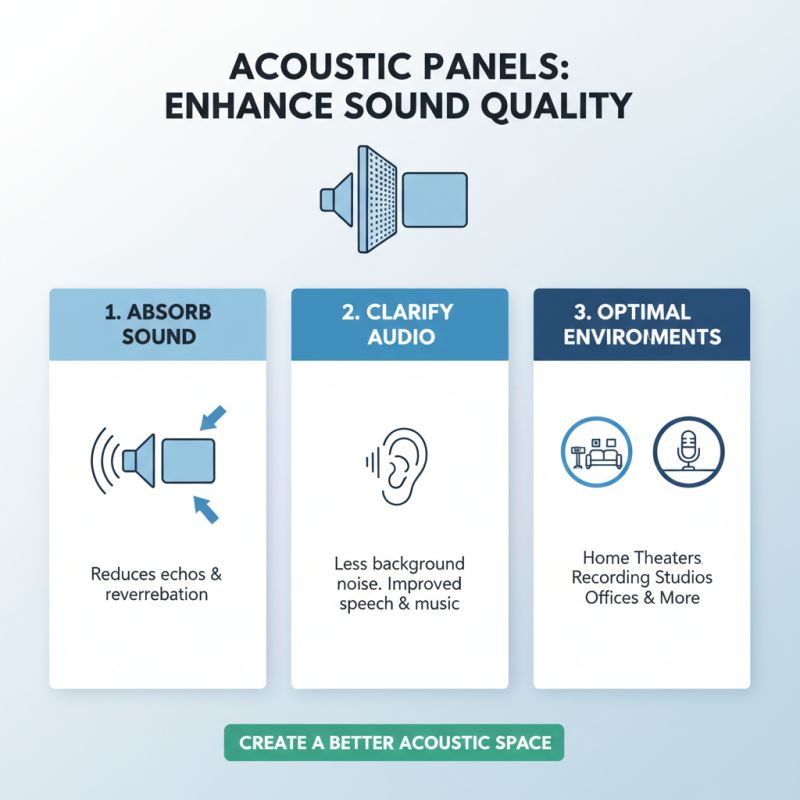
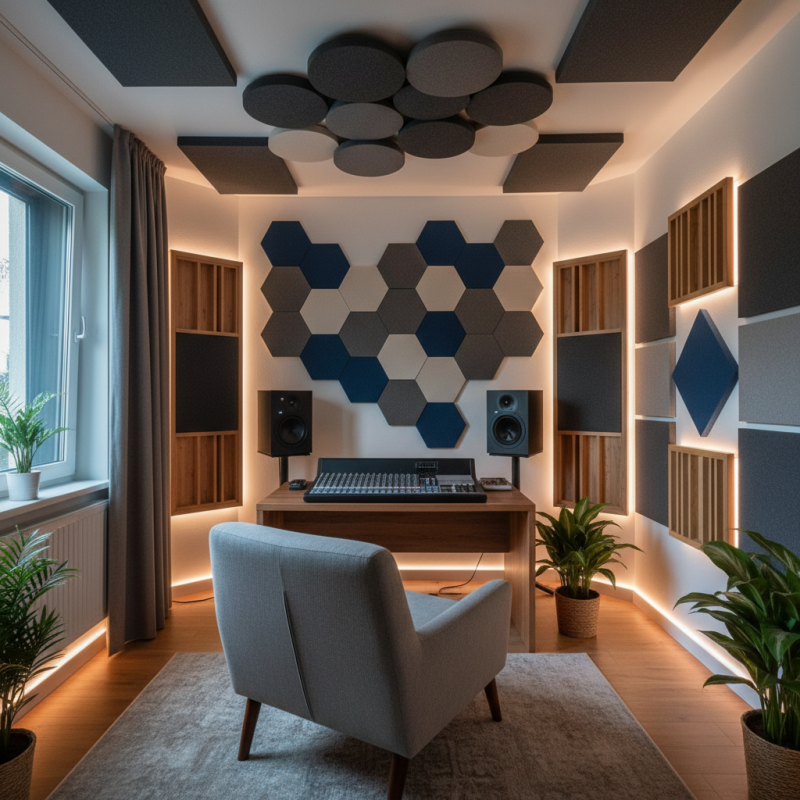
Acoustic panels play a critical role in enhancing sound quality. Understanding their functions helps create a better acoustic environment. These panels can absorb sound waves, reducing echo and background noise. In spaces like home theaters or recording studios, this is vital. Excessive reflection can distort audio.
Sound absorption occurs when panels trap sound energy within their materials. This is crucial for areas with hard surfaces—wooden floors or bare walls—where sound bounces freely. On the other hand, some panels can reflect sound, adding clarity to music or speech. The balance between absorption and reflection is key for optimal sound quality.
Many people overlook the choice of materials. Different fabrics and densities yield varied effects. Not every space needs the same setup. A panel might work well in one room but fail in another. Testing different arrangements can be frustrating. Yet, this trial and error process often leads to the best results. Don't settle for a one-size-fits-all solution. Adjusting placement and combinations can reveal new possibilities for enhancing sound.
Types of Acoustic Panels: Materials and Their Impact on Sound Quality
The choice of acoustic panels significantly influences sound quality in any space. Different materials affect the absorption and reflection of sound waves. Common materials include fiberglass, foam, and fabric. Each has its unique properties. For example, fiberglass panels are known for their high absorption rates. Research indicates that these panels can reduce sound energy by up to 90% in certain frequencies.
Foam panels also serve a similar purpose, yet they vary in density and texture. Higher density foam panels absorb low frequencies better. A study by the Acoustical Society of America notes that using a mix of materials can enhance overall performance. Combining various panel types can create a more balanced acoustic environment.
The impact of placement cannot be ignored. Even the best panels may fall short if not positioned correctly. Ideal placement is often at reflection points. However, many users overlook this aspect. Regular re-evaluation of your layout is necessary to ensure optimal sound quality. This is a common pitfall in acoustic treatment. Achieving perfect sound might remain an ongoing challenge, prompting a need for continued experimentation.
Types of Acoustic Panels and Their Impact on Sound Quality
Measuring Acoustic Performance: Understanding NRC Ratings and Their Importance
When it comes to acoustic performance, understanding NRC ratings is essential. The Noise Reduction Coefficient (NRC) indicates how well a material absorbs sound. This rating ranges from 0 to 1. An NRC of 0 means no sound absorption, while 1 signifies complete absorption. It's important to choose materials with appropriate NRC ratings based on your needs.
In practical terms, rooms with hard surfaces like tile or glass often echo. Acoustic panels can help. However, not all panels are created equal. You might find some panels with high NRC ratings but poor aesthetics. This mismatched choice can impact the overall feel of your space. Do they fit your design vision?
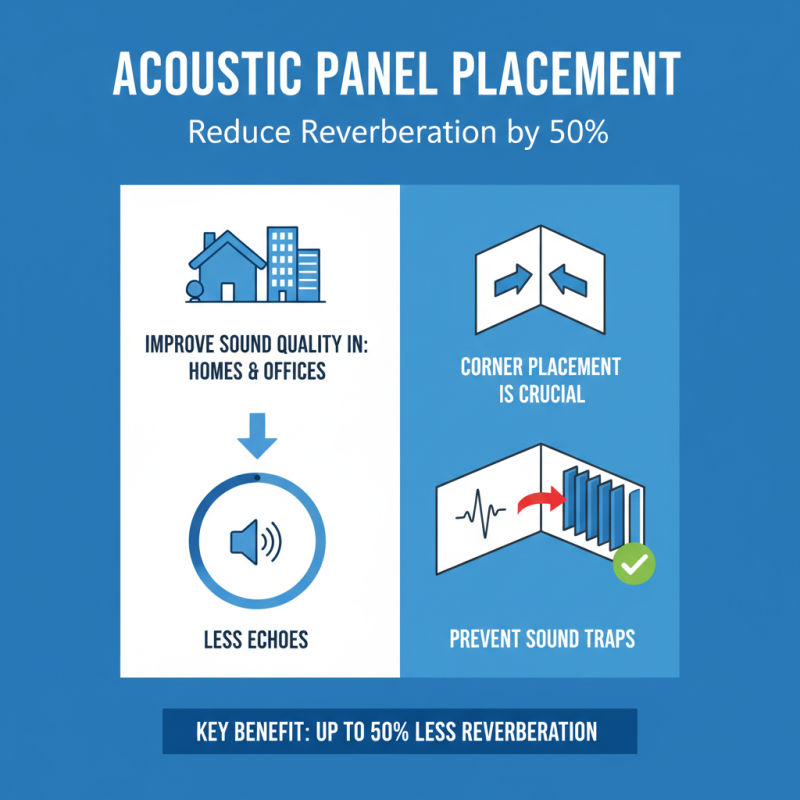
Evaluate your environment critically. Are the panels placed correctly? Many overlook corner placement, which can enhance sound absorption. Test different configurations. Sometimes, the initial layout may not yield the best results. Mistakes are part of the process. It’s through reflection and adjustment that true sound quality emerges.
Maintaining Acoustic Panels: Best Practices for Longevity and Performance
Acoustic panels are essential for improving sound quality in various spaces. However, maintaining these panels is crucial for optimal performance and longevity. A report from the Acoustical Society of America highlights that poorly maintained panels can lose up to 30% of their effectiveness over time. Dust and grime can accumulate, hindering sound absorption. Regular cleaning is vital. Use a soft, dry cloth or a vacuum with a soft brush attachment. Avoid harsh chemicals that can damage the material.
Placement also plays a significant role in maintaining acoustic panels. According to studies by the National Institute of Standards and Technology, panels should be positioned strategically to address sound reflection and absorption. Hang them at ear level and in areas with high sound activity. It’s easy to overlook panel placement, leading to suboptimal performance.
Remember to inspect your panels periodically. Look for signs of wear or damage. Even tiny tears can affect sound quality. A small tear could reduce sound absorption by 15%. Replacing damaged panels when necessary is essential for maintaining your space's acoustic integrity. Effective upkeep of your acoustic panels can lead to a notable increase in sound clarity and overall ambiance.
Acoustic Panel Tips for Better Sound Quality in Your Space
| Dimension |
Description |
Best Practices |
Maintenance Frequency |
| Material Type |
Types include foam, fabric, wood, and metal. |
Choose appropriate materials based on room function. |
As needed |
| Panel Size |
Available in various sizes from small tiles to large sheets. |
Customize size for optimal performance in specific spaces. |
Annually |
| Installation Location |
Position strategically in areas with high sound reflection. |
Follow proper acoustic guidelines for placement. |
Every installation |
| Cleaning Method |
Use vacuum, damp cloth, or specialized cleaners. |
Avoid harsh chemicals; test cleaning methods in a small area first. |
Monthly |
| Durability |
Lifespan varies based on material and usage. |
Regularly inspect for signs of wear or damage. |
Bi-annually |