What is PVC Ceiling and Its Benefits for Home Interior Design
PVC ceilings are gaining popularity in home interior design due to their numerous benefits. According to a recent report by Market Research Future, the global PVC ceiling market is projected to reach over $2 billion by 2025, reflecting a significant shift towards modern, cost-effective design solutions. Experts recommend PVC ceilings for both aesthetics and functionality.
Dr. Emily Thompson, an interior design specialist, states, "PVC ceilings not only enhance the visual appeal but also offer practical advantages like moisture resistance." This material is lightweight and easy to install. Homeowners appreciate its versatility in style and color. Additionally, it is resistant to mold and mildew, making it suitable for kitchens and bathrooms.
However, it's important to consider potential downsides. Some may find PVC ceilings can look less traditional compared to wood or plaster options. Choosing the right texture and finish can be challenging. It's crucial to evaluate personal style needs. Overall, PVC ceilings present an innovative solution for modern interior design with distinct advantages.
What is PVC Ceiling? Definition and Composition Overview
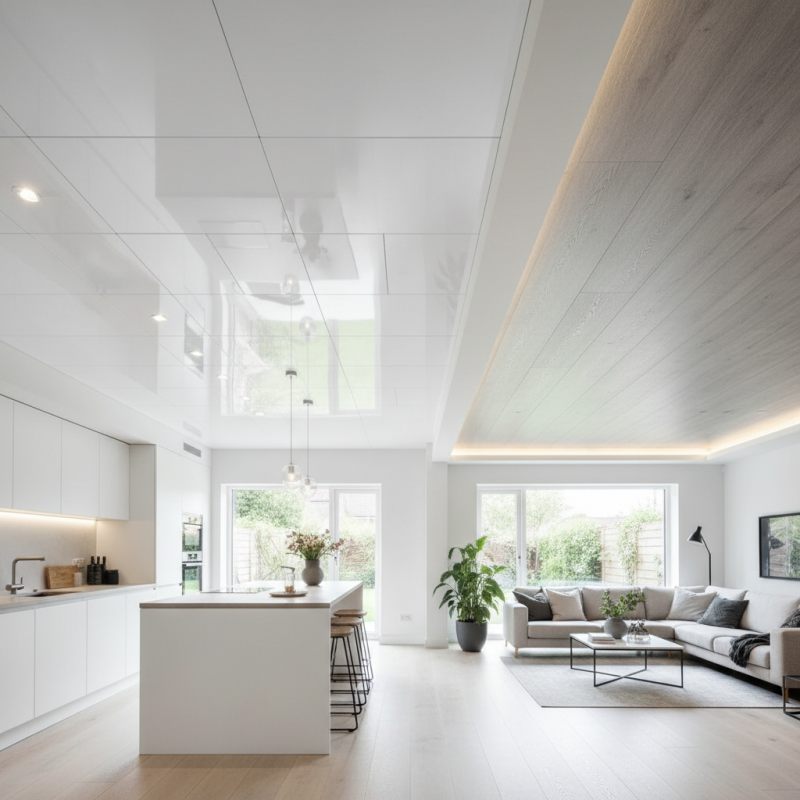
PVC ceiling is a modern choice for home interiors. It is made from polyvinyl chloride, a durable plastic material. This composition gives it strength and flexibility. PVC ceilings are often lightweight, which simplifies installation. Their smooth surface reflects light well, enhancing room brightness.
The variety of designs allows for creativity in home decor. They come in multiple colors and patterns. Homeowners can choose sleek finishes or textured options. However, some might find the plastic look unappealing. It may lack the warmth of traditional materials like wood.
Maintaining PVC ceilings is generally easy. A simple wipe with a damp cloth usually suffices. Yet, they can be prone to scratches, which might require careful handling. When considering PVC ceilings, think of your unique style and practicality. They can be an excellent option for various spaces, including kitchens and bathrooms.
Benefits of PVC Ceiling in Home Interior Design
Key Benefits of PVC Ceilings in Home Interior Design
PVC ceiling panels have gained popularity in home interior design for various reasons. One notable benefit is their versatility. They come in numerous designs and colors. This allows homeowners to match their ceilings with their overall decor. Dramatic patterns can add flair, while simple finishes can exude elegance.
Another significant advantage of PVC ceilings is their durability. Unlike traditional materials, they resist moisture and mold. This makes them ideal for humid areas like bathrooms and kitchens. Additionally, they are easy to clean. A simple wipe-down is usually enough to keep them looking fresh. Yet, some may find their plastic texture less appealing compared to wood or plaster.
Cost-effectiveness is another key benefit. PVC ceilings are generally more affordable than many alternatives. This makes them a practical choice for budget-conscious homeowners. However, it's important to consider the long-term impact. Over time, cheaper materials might not last as long, necessitating replacements. Balancing immediate savings with future needs is vital in decision-making.
Durability and Maintenance: How PVC Ceilings Compare to Traditional Options
PVC ceilings offer significant benefits for home interior design, particularly when it comes to durability and maintenance. Unlike traditional ceiling materials such as wood or plaster, PVC panels resist moisture and do not warp or rot. This makes them an ideal choice for areas with high humidity, like bathrooms and kitchens. Homeowners can expect longevity and reduced repair costs with PVC ceilings, which is a crucial advantage.
In terms of maintenance, PVC ceilings are straightforward to clean. A simple wipe with a damp cloth is usually sufficient to remove dust and stains. This is particularly appealing for busy households. Traditional ceilings may require repainting or frequent repairs, which can be time-consuming. Some individuals, however, find it tough to adjust to the synthetic look of PVC. It can lack the warmth of wood or the texture of plaster, which might not suit every aesthetic preference.
While many appreciate the low-maintenance aspect, others miss the unique character that traditional materials provide. The choice of ceiling material should align with both practical needs and personal style. It's essential to weigh the benefits against the potential drawbacks carefully. Finding the perfect balance can be a challenge for homeowners aiming for both functionality and beauty.
Design Versatility: Color, Texture, and Style Options for PVC Ceilings
PVC ceilings offer remarkable design versatility. They come in various colors, textures, and styles, allowing homeowners to create unique atmospheres. According to a recent report by the Interior Design Association, 73% of designers consider aesthetics when recommending materials like PVC. This trend shows how essential visual appeal is for modern interiors.
The color options are virtually limitless. Homeowners can choose vibrant hues or subtle tones to complement their decor. Textures add depth and character. Some panels mimic wood, while others present sleek metallic finishes. This range helps meet diverse design preferences and enhances any room's appeal. The report also indicates that 68% of homeowners reported increased satisfaction with spaces utilizing textured surfaces.
However, not all PVC designs are perfect. Some may appear artificial, lacking the elegance of natural materials. That said, maintenance is often easier than alternatives. Homeowners must weigh aesthetics against practicality. Ultimately, the choice of PVC ceilings can elevate interior design if carefully selected, allowing for fresh, innovative spaces.
Cost Analysis: Budgeting for PVC Ceilings in Home Renovation Projects
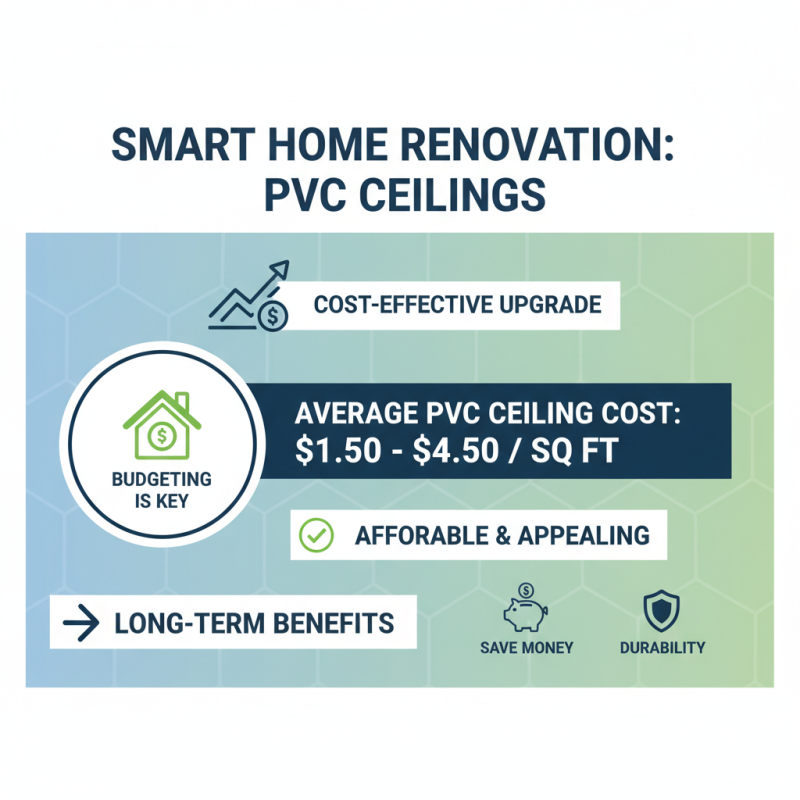
When considering a home renovation, budgeting for PVC ceilings is crucial. Research shows that the average cost per square foot for PVC ceiling installation ranges from $1.50 to $4.50. This affordability makes it an appealing option for many homeowners. The initial investment is often recovered through long-term benefits.
However, there are hidden costs to consider. For example, installation fees, which can vary significantly based on location and complexity, may affect your overall budget. Some reports indicate that homeowners often underestimate these costs by up to 20%. It's wise to account for the professional labor if you're not going the DIY route.
Another aspect to consider is maintenance. While PVC ceilings are known for durability and low upkeep, they can wear down over time, especially in humid environments. Replacement or repair costs might catch homeowners off guard. Investing in quality materials initially can save money in the long run. Always seek clarity on your total renovation costs before making a decision.