10 Essential Tips for Choosing Wood Wall Paneling to Transform Your Space
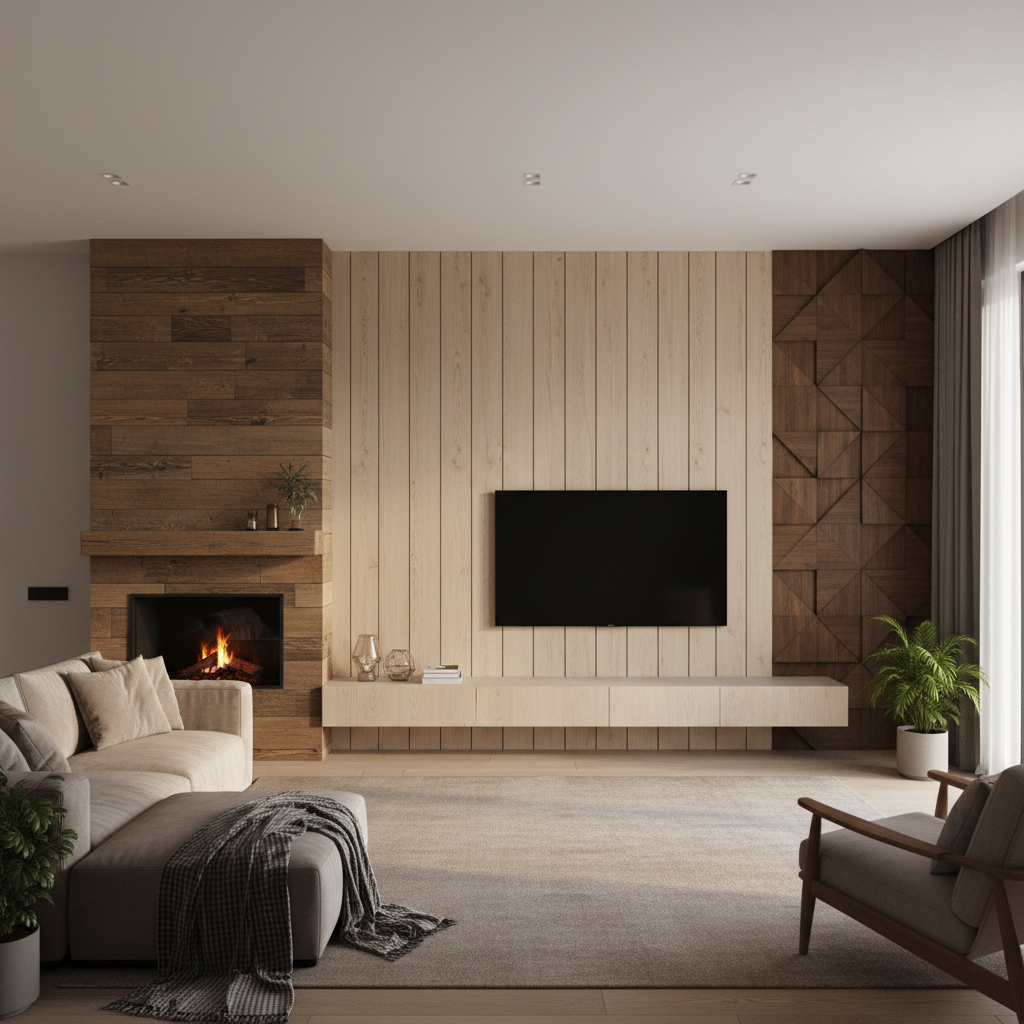
When it comes to enhancing the aesthetic appeal of your home, few elements can transform a space as effectively as wood wall paneling. This versatile design choice not only adds warmth and character but also offers a timeless appeal that can complement various interior styles. Whether you're looking to create a rustic atmosphere, a modern chic vibe, or something in between, selecting the right wood wall paneling is essential for achieving your desired outcome.
In this guide, we present the "Top 5" essential tips for choosing wood wall paneling that will help you make informed decisions in your home improvement journey. From understanding different types of wood and finishes to considering the thickness and installation methods, these insights will empower you to select the perfect paneling that reflects your taste and meets your functional needs.
With the right approach, wood wall paneling can serve as a stunning backdrop for your living space, providing both beauty and durability. Join us as we delve into the key considerations that will elevate your interior design and lead to a beautifully transformed environment.
Understanding Different Types of Wood Wall Paneling Available for Your Space
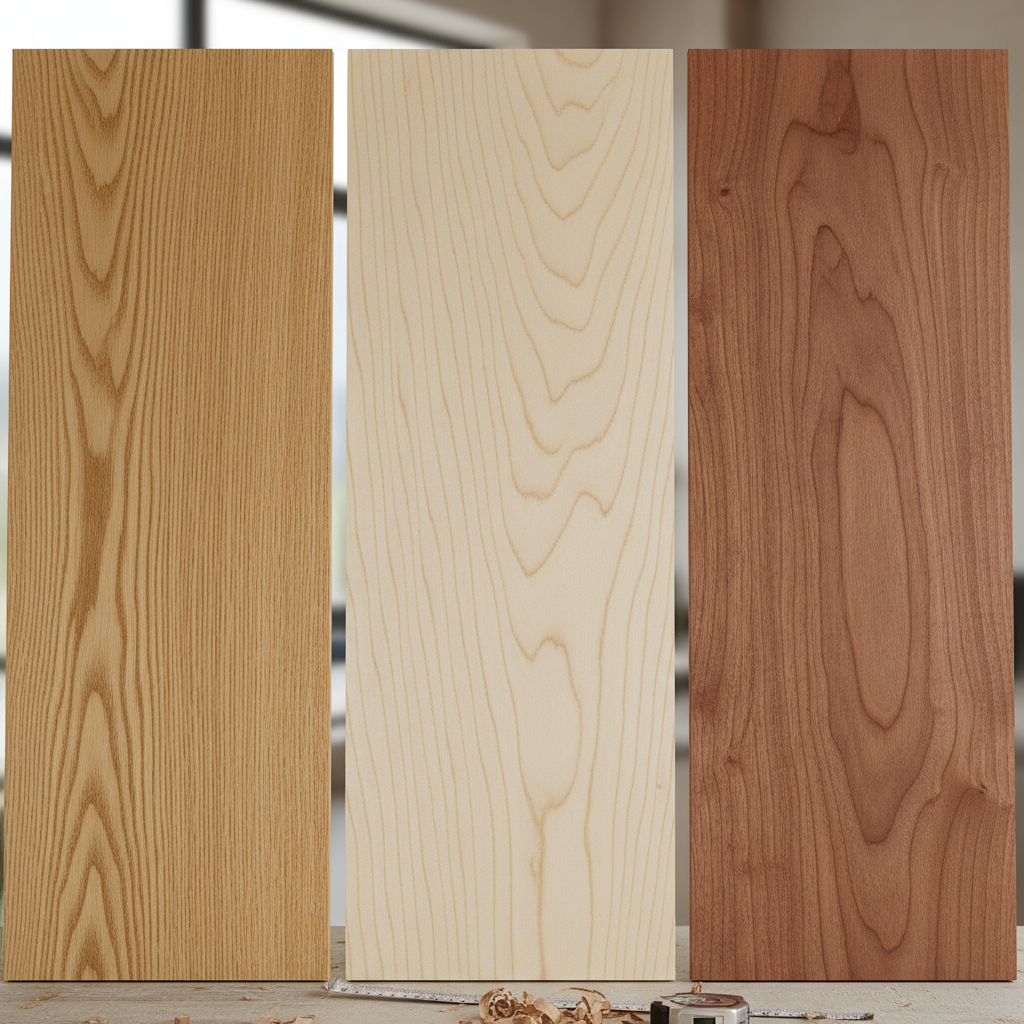
When selecting wood wall paneling for your space, it’s crucial to understand the different types available, as this will significantly influence both the aesthetics and functionality of your environment. From hardwoods like oak and walnut that provide durability and timeless elegance, to softer woods like pine that offer a rustic charm, each type brings its unique attributes. According to a recent report by the Wood Products Manufacturers Association, the use of natural wood finishes in interior design has surged by over 40% in the past five years, highlighting a growing preference for authentic materials.
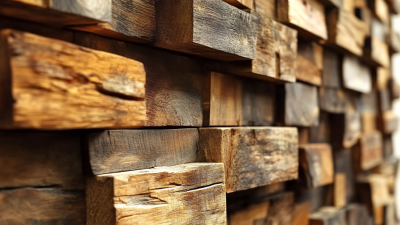
When choosing the right wood paneling, consider the texture and grain patterns, as these elements play a vital role in the overall atmosphere of your room. For instance, reclaimed wood paneling has become increasingly popular, offering sustainability along with unique character. Tip: Choose lighter shades of wood paneling for smaller spaces; they can create an illusion of more room and enhance natural light. Additionally, don’t forget the impact of installation techniques. Tongue-and-groove paneling provides a seamless look, while shiplap can introduce a trendy, laid-back vibe.
Lastly, think about maintenance and durability. Certain finishes can make wood paneling more resistant to moisture and stains. Tip: For high-traffic areas, opt for wood species that are known for their hardness, such as teak or maple, which are less prone to dents and scratches. Understanding these factors will enable you to select the ideal wood wall paneling that not only transforms your space but also stands the test of time.
Assessing Your Space: Evaluating Style, Size, and Lighting Considerations
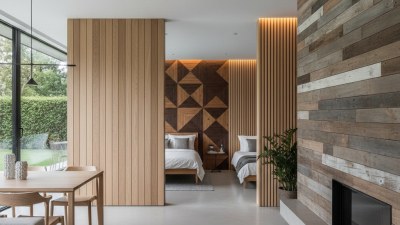
When it comes to transforming a space with wood wall paneling, evaluating your room's style, size, and lighting is crucial. A report by the National Wood Paneling Association noted that 80% of homeowners consider aesthetics before making modifications to their wall design. Start by identifying the existing style of your interior. Whether rustic, contemporary, or minimalist, the type of wood paneling you choose should complement the overall theme. For instance, reclaimed wood can add a cozy, vintage feel, while sleek, smooth finishes can enhance a modern aesthetic.
In addition to style, size matters significantly. Consider the dimensions of your walls and ceilings; taller walls can benefit from vertical paneling to add the illusion of height, while horizontally installed panels can make a room feel more expansive. According to a recent survey, 72% of interior designers recommend scale-appropriate patterns to create a harmonious look.
Lighting is another essential factor—natural light can influence the color and grain of the wood. Spaces with ample sunlight may benefit from lighter wood tones that reflect light, while darker woods can add warmth to dimly lit areas. Remember these tips: always test samples in the space, and don’t hesitate to mix different textures to create depth. Choosing the right wood paneling involves a balance of multiple factors, ensuring your design choice will be both stylish and functional.
Selecting the Right Wood Species: Durability and Aesthetic Appeal
When selecting wood wall paneling, choosing the right wood species is crucial for both
durability and aesthetic appeal. Hardwoods such as oak,
maple, and cherry are often favored for their resilience and timeless beauty. These species
offer a unique grain pattern and rich colors that enhance the overall design of a space. Additionally, their
durability makes them suitable for high-traffic areas, ensuring that your investment stands the test of time.
On the other hand, softwoods like pine and cedar provide a more rustic and
casual feel. They are generally lighter and easier to work with, making them a popular choice for DIY projects.
However, it’s essential to consider the intended use of the space when selecting a softwood, as these materials may
be more susceptible to dents and scratches. Ultimately, the right wood species will not only elevate the visual
aspect of your room but also align with your lifestyle needs and maintenance preferences.
Finishing Touches: Stains, Paints, and Treatments for Wood Paneling
When considering wood wall paneling, the finishing touches such as stains, paints, and treatments play a crucial role in enhancing both aesthetics and durability. Industry reports indicate that nearly 80% of homeowners prioritize customization when selecting wall paneling, making it essential to create a unique look that reflects personal style. For instance, the use of stains can help highlight the natural grain of the wood, with darker stains often lending a more luxurious feel, while lighter shades can evoke a sense of coziness and warmth, ideal for living spaces.
Moreover, protective treatments like sealants and finishes are vital to prolong the lifespan of wood paneling. According to research published by the Wood Products Council, properly treated wood can last up to 25 years longer than untreated equivalents, significantly improving both the return on investment and the overall functionality of the space. Using high-quality paints or stains can also influence indoor air quality; opting for low-VOC or zero-VOC products is increasingly recommended, as they contribute to healthier living environments without sacrificing style. These choices not only transform a space visually but also protect against wear and tear, making the right finishes as essential as the initial selection of wood paneling.
Budgeting for Your Project: Cost-Effective Tips for Quality Wood Paneling Choices
When it comes to selecting wood wall paneling for your home,
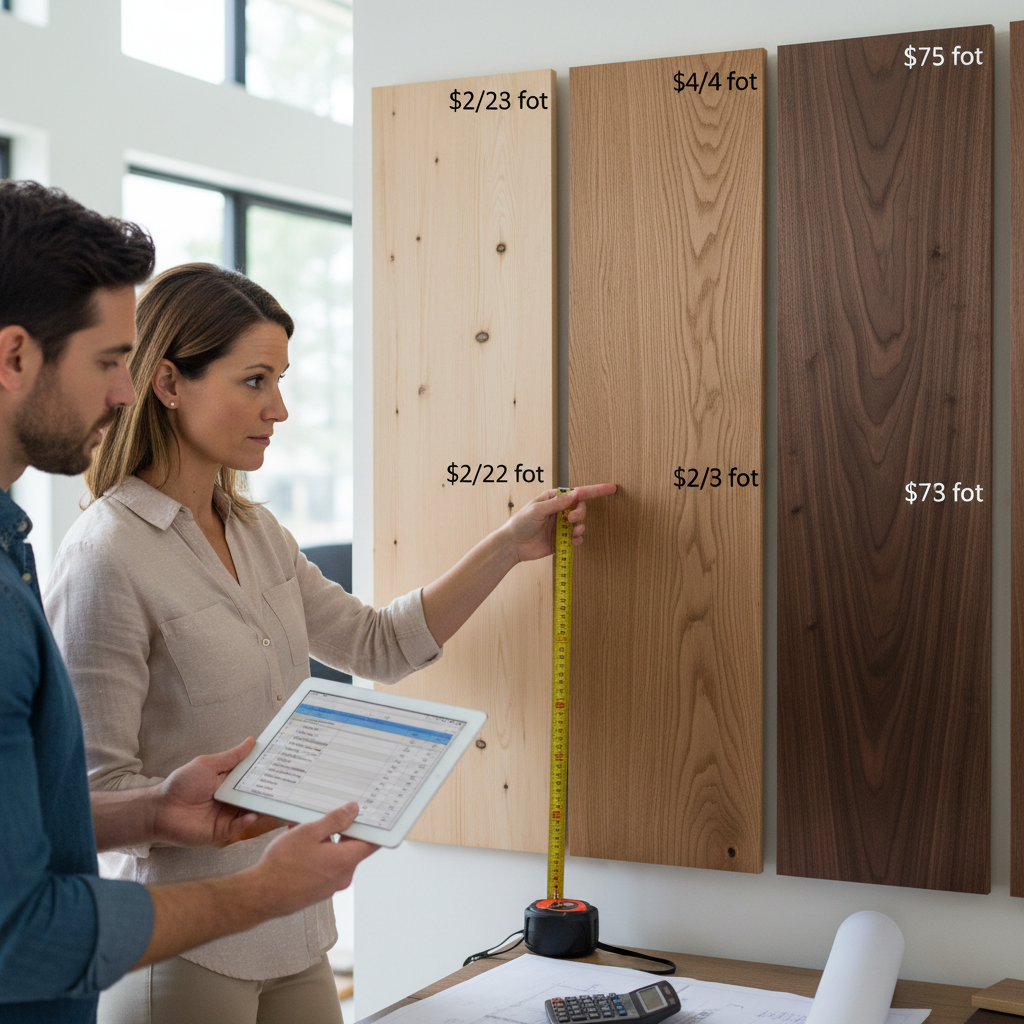
budgeting plays a crucial role in making the right choice without overspending.
According to industry reports, homeowners can expect to invest between $2 to $7 per square foot for wood paneling,
depending on the type of wood and finish selected. Establishing a clear budget allows you to narrow down your options and focus on quality wood that will enhance the aesthetic of your space while being cost-effective.
To maximize your investment, consider exploring alternative financing options for your project, especially if you’re looking at significant renovations.
Recent analyses on home improvement financing reveal that homeowners are increasingly turning to personal loans
or home equity lines of credit (HELOCs) to fund their renovations, allowing them to achieve their desired look
without immediate financial strain. Additionally, opting for faux wood paneling can offer a stylish appearance
at a fraction of the cost, with prices dropping as low as $1.50 per square foot, providing you with quality design without breaking the bank.
By being strategic in your approach to budgeting and financing, you can create a stunning transformation in your space
that aligns with your financial goals.