What is Decorative Panels and How to Choose the Best Options?
Decorative panels have become a vital aspect of modern interior design. They add texture and visual interest to various spaces. Designer Sarah Thompson, an expert in the industry, says, "Good design starts with the right materials." Her words highlight the importance of selecting suitable decorative panels.
When choosing decorative panels, consider the diversity of options available. Materials range from wood and metal to fabric and glass. Each type offers unique attributes, influencing aesthetics and functionality. For example, wooden panels evoke warmth, while metal ones can impart a sleek, modern vibe.
Reflecting on the choices, it's clear that personal style and purpose play crucial roles. Not every option suits every environment. It’s essential to balance beauty and practicality. As one navigates the decision process, the available options can sometimes feel overwhelming. A measured approach is necessary to find the ideal decorative panels.
What Are Decorative Panels? An Overview of Their Types and Uses
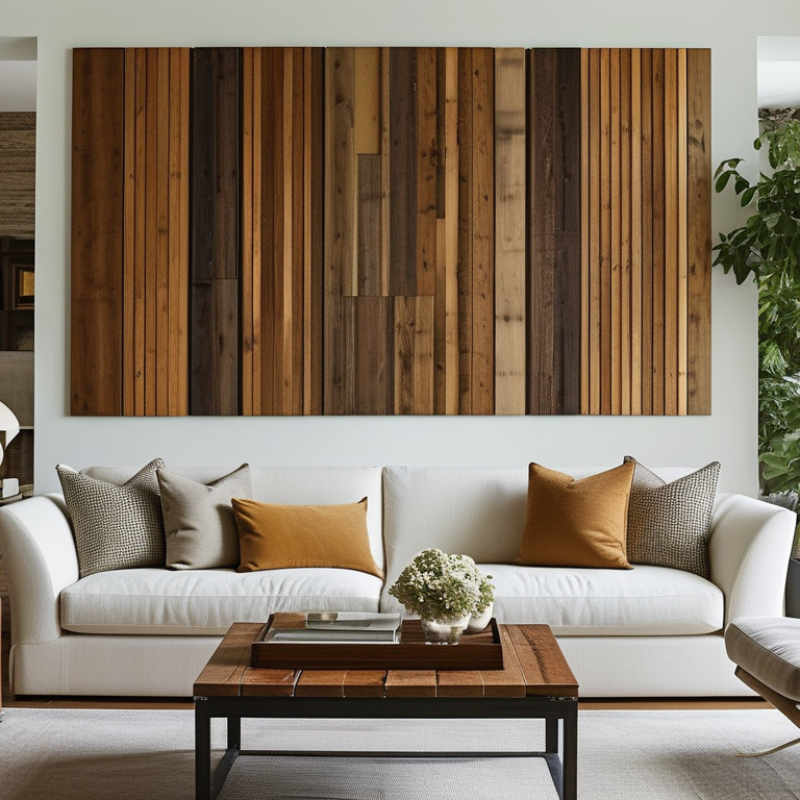
Decorative panels are versatile materials used in interior and exterior design. They can enhance aesthetics and functionality. According to a recent report by the Freedonia Group, the global market for decorative panels is projected to reach $60 billion by 2025. This growth reflects a rising demand for stylish yet practical solutions in architecture and design.
Various types of decorative panels exist, including wall panels, ceiling tiles, and acoustic panels. Wall panels add texture and depth to rooms. Acoustic panels improve sound quality in spaces like offices and theaters. It's important to choose the right type based on usage. Individual preferences also play a crucial role. Consider the material, such as wood, metal, or fiberglass, and how it fits into the overall design theme.
While exploring options, one must address potential challenges. Installation can be complex, requiring skilled professionals. Additionally, some materials are sensitive to changes in humidity and temperature. Homeowners may struggle to find panels that balance durability with style. Each choice should reflect both personal taste and practical needs.
What is Decorative Panels and How to Choose the Best Options?
| Type of Decorative Panel |
Material |
Common Uses |
Benefits |
| Wood Panels |
Natural Wood |
Wall cladding, ceilings, furniture |
Durable, aesthetically pleasing, easy to work with |
| Laminate Panels |
Composite Material |
Cabinets, countertops, wall coverings |
Cost-effective, versatile, resistance to scratches |
| Metal Panels |
Aluminum, Steel |
Exterior cladding, interior feature walls |
Modern look, weather-resistant, low maintenance |
| Fabric Panels |
Textiles |
Acoustic panels, wall art, room dividers |
Sound absorption, decorative, customizable |
| PVC Panels |
Vinyl |
Bathrooms, kitchens, outdoor applications |
Water-resistant, easy to clean, lightweight |
Key Materials Used in Decorative Panels: A Comparative Analysis
Decorative panels encompass various materials used to enhance aesthetics in homes and commercial spaces. The choice of material significantly impacts both appearance and functionality. Common options include wood, MDF, PVC, and metal. Each material brings unique characteristics, offering different textures and finishes, making them suitable for diverse applications.
In a recent market analysis, wood remains the most popular choice, accounting for approximately 45% of the decorative panel market. Its natural appeal and versatility attract homeowners. MDF, on the other hand, is favored for its cost-effectiveness and smooth surface, accounting for around 30%. PVC, known for durability and moisture resistance, constitutes about 15% of the market. Although metal panels offer a modern edge, they hold a minor share, around 10%. Each material has distinct benefits but also limitations. For example, wood can warp with moisture, while metal may dent.
When choosing decorative panels, understanding the intended use is crucial. High-traffic areas may benefit from durable materials, while aesthetic value might take precedence in low-traffic spaces. Balancing beauty with practicality is a nuanced task, requiring careful consideration. As trends evolve, staying informed about the latest materials and their properties is essential for making the best choices.
Factors to Consider When Choosing Decorative Panels for Your Space
Choosing the right decorative panels can dramatically alter your space's aesthetics and functionality. When considering options, a few key factors emerge. First, the material is crucial. Wood, vinyl, or metal panels each offer unique advantages. A report from the Interior Design Association states that wood panels can increase the warmth of a room, while vinyl is easier to maintain.
Color and texture play vital roles too. They can affect mood and perception in a space. Lighter colors often make rooms feel larger, while textured panels can add depth. According to recent studies, 58% of consumers prefer textured finishes in contemporary designs.
Tips: Always visualize the panels in natural light to assess their true appearance. Consider the room's overall theme before making a final decision.
Lastly, budget constraints are significant. High-quality options exist at various price points. It’s essential to balance quality and affordability. Reflect on how long you plan to stay in your current space. Could a temporary option serve your needs better? This approach may help avoid overspending.
Trends in Decorative Panels: Styles and Finishes for 2023
Decorative panels are making waves in interior design this year. Trends for 2023 highlight the importance of textures and finishes. Natural materials are on the rise. Wood, stone, and metal accents create a warm, inviting atmosphere. A report by Allied Market Research indicates that the decorative panel market is expected to grow significantly, reaching $59 billion by 2027.
Color is also a key theme. Earthy tones dominate the palette. Shades like terracotta and deep greens add depth to spaces. However, balancing bold choices with neutrals can be challenging. The right combination enhances aesthetics but requires careful thought. Designers emphasize experimenting with patterns while keeping functionality in mind.
Sustainability remains a priority. Eco-friendly finishes are increasingly sought after. Consumers are more informed about their choices. Reports indicate 65% of homebuyers prioritize sustainable materials. Choosing the right decorative panel involves considering long-term impacts. It’s essential to reflect on not just beauty, but also durability and environmental footprint. This year presents a unique opportunity to blend art with sustainability in home design.
Cost Analysis: Understanding the Price Range of Decorative Panels
Decorative panels are increasingly popular in interior design. However, understanding their cost can be challenging. The price range varies significantly, depending on materials, sizes, and design complexities. Typically, you can expect to pay anywhere from $10 to $100 per panel. High-end options may go beyond this range, driven by custom designs.
Research indicates that wood-based panels are often priced between $20 and $50. In contrast, composite panels generally fall in the $15 to $40 range. The cheapest options are often made from vinyl or MDF, with costs as low as $10. Installation fees can add up, ranging from $50 to $200 depending on your region. This makes thorough budgeting essential for any project.
Analyzing costs in the market shows a growing trend towards eco-friendly materials, which can be pricier due to sourcing and manufacturing. Yet, these options also offer long-term savings through durability and energy efficiency. Customers sometimes overlook these factors. It's vital to assess not just aesthetics, but also performance and sustainability when making a choice.