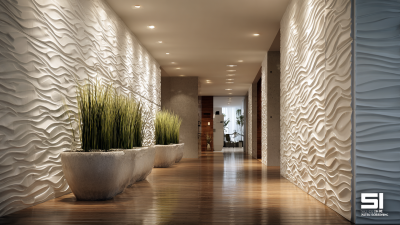
What are Decorative Panels and How to Choose Them?
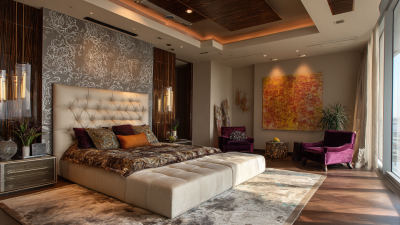
Decorative Panels have become a popular choice for enhancing interior and exterior spaces. These versatile elements add character and style to any environment. Renowned designer, Sarah Williams, once said, "The right Decorative Panels can transform an ordinary room into a work of art."
Choosing the perfect Decorative Panels requires careful consideration. They come in various materials, colors, and textures, offering endless possibilities for creativity. Exploring these options can be overwhelming. Sometimes, the array of choices can lead to decision fatigue. However, understanding your space’s needs is essential.
It’s important to consider the overall aesthetic of your home or office. Some Decorative Panels may clash with existing decor. Others might not provide the texture or color you're looking for. Reflecting on these aspects will guide your choices. Remember, the goal is to create harmony, not chaos. Make sure your selection complements the surrounding elements.

Understanding Decorative Panels: Definition and Uses
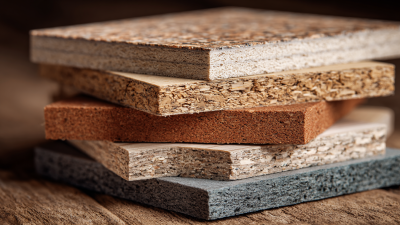
Decorative panels are versatile elements in interior design. They add character and charm to any space. These panels can be made from various materials like wood, plastic, or metal. Each type has its own unique appeal. For instance, wooden panels give a warm, rustic feel, while metallic ones can add a modern touch.
When selecting decorative panels, consider the room’s purpose. Think about the atmosphere you wish to create. Is it cozy and inviting, or sleek and contemporary? Pay attention to colors and textures. Light colors can open up a space, while dark hues can create intimacy. You may also reflect on the maintenance needs. Some materials require more upkeep than others.
The installation process can be tricky. Ensure that you have the proper tools for the job. Sometimes, it might be worth hiring a professional. Mistakes can happen, and they can be costly. Take your time to measure and plan. The wrong choice can impact the overall look. So, approach each decision carefully.
Understanding the Popularity of Decorative Panel Types
Types of Decorative Panels Available in the Market
Decorative panels serve as versatile elements in modern design. They can transform any space, bringing texture and personality to walls and ceilings. Various types are available, each offering unique benefits and aesthetics.
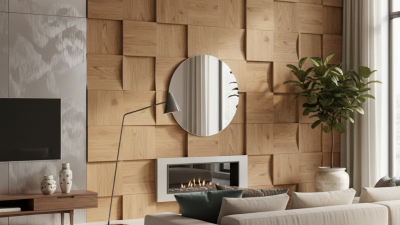
Wood panels create a warm ambiance. They can enhance rustic or contemporary styles. However, they require maintenance, like regular sealing to prevent damage. PVC panels are durable and lightweight. They often mimic natural materials but may lack authenticity.
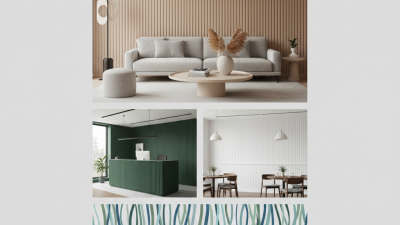
When choosing decorative panels, consider your space. Think about the room's purpose and existing décor. It’s vital to choose a type that complements your design vision. For a cohesive look, stick to a consistent theme. Consider mixing different textures for added depth but be cautious. Overdoing it can create a chaotic feel.
Lighting also plays a crucial role. The right illumination can highlight the panels' texture and color. Make sure to test samples in your space. This helps visualize how they look under different lighting conditions. Take your time with the selection process. It can significantly impact the overall mood of a room.
What are Decorative Panels and How to Choose Them? - Types of Decorative Panels Available in the Market
| Type of Decorative Panel |
Material |
Common Applications |
Benefits |
| Plywood Panels |
Plywood |
Furniture, Walls |
Lightweight, Cost-effective |
| MDF Panels |
Medium Density Fiberboard |
Cabinets, Wall Panels |
Smooth Surface, Versatile |
| Laminate Panels |
Laminate |
Countertops, Furniture |
Durable, Easy to Clean |
| PVC Panels |
Polyvinyl Chloride |
Ceilings, Walls |
Water-resistant, Lightweight |
| Glass Panels |
Tempered Glass |
Room Dividers, Facades |
Aesthetic Appeal, Natural Light |
Factors to Consider When Choosing Decorative Panels
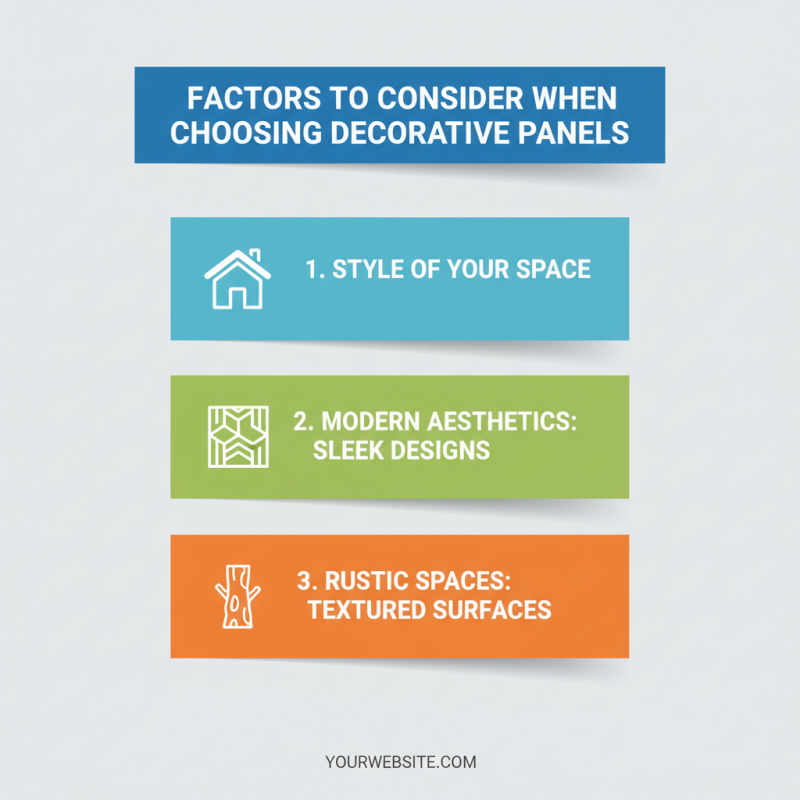
Choosing decorative panels involves several key factors. The style of your space should match the panels. For modern aesthetics, sleek designs work well. Rustic spaces may benefit from textured surfaces.
Consider material durability. Wood, metal, or plastic each has unique qualities. Wood offers warmth but requires maintenance. Metal can be striking but may dent. Plastic is lightweight, yet it might lack character.
Tip: Always request samples before making a decision. This helps visualize how panels blend with existing elements.
Pay attention to color and pattern. Light colors can brighten a room, while darker hues add depth. Patterns can create interest but risk overwhelming the space. Balancing these elements can be challenging.
Tip: Don’t hesitate to mix textures and finishes. This can enhance the visual experience. Reflect on what makes your space truly feel like home.
Installation Techniques for Decorative Panels
Installing decorative panels can be a fulfilling project. These panels transform spaces and add character. Proper installation is key for the desired outcome.
Begin by preparing the wall surface. Ensure it is clean, dry, and free from any imperfections. You may need to patch holes and sand rough spots.
Measure your panels carefully. It’s easy to miscalculate. Use a level to mark where each panel will go. This helps maintain a straight line.
Depending on the type, decorative panels may require adhesives or nails. For adhesive, apply it evenly to the back of the panel. Press firmly against the wall. If using nails, pre-drill holes to prevent splitting.
It can be challenging to find the right technique. Sometimes, trial and error is part of the process. Always wear safety gear during installation for added protection. Use a cut-resistant glove while handling sharp edges.
Maintenance Tips for Long-lasting Decorative Panels
Choosing decorative panels involves careful consideration, especially in terms of maintenance. Decorative panels can elevate a space, but they require appropriate care for longevity. According to a recent industry report, 45% of homeowners face issues due to inadequate maintenance. This shows the importance of proper upkeep.
Regular cleaning is essential to prevent dust and dirt buildup. A soft cloth or sponge works best for this. Using harsh chemicals can damage the surface, so it's wise to opt for mild cleaners. Additionally, humidity control plays a pivotal role. Excessive moisture can warp or damage panels. Keeping indoor humidity levels between 30% and 50% is ideal.
It's also important to monitor for damages. Small scratches or dents can worsen over time if neglected. Addressing these early can save money in the long run. In fact, a study found that proactive maintenance can extend the life of decorative panels by up to 30%. Taking these steps can ensure that your panels remain stunning and functional.