10 Tips for Choosing the Right Ceiling Panel for Your Home?
When it comes to interior design, the right choice of ceiling panel can make a significant impact on your home. John Smith, a leading expert in interior architecture, once stated, "Choosing the correct ceiling panel is crucial for both aesthetics and functionality." The ceiling panel not only influences the room's ambiance but also serves practical purposes like sound insulation and lighting.
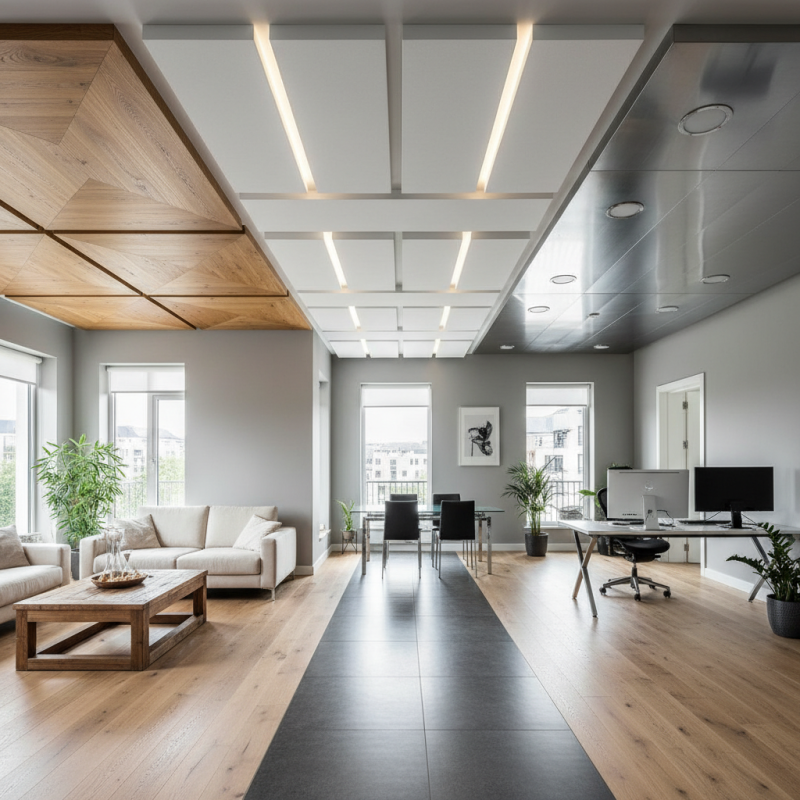
Selecting the perfect ceiling panel involves careful consideration. You need to think about the material, style, and color that complement your home’s interior theme. Many homeowners overlook the importance of these details. Each option presents unique qualities that can enhance or detract from your living space. For instance, wooden panels can add warmth, while metal panels offer a modern edge.
In addition, it’s essential to reflect on your personal preferences. Are you drawn to classic designs or contemporary looks? Sometimes, this decision can be overwhelming. It's easy to get lost amid the countless designs available. However, being mindful of what works best in your space is key to truly enjoying your ceiling panel choice.
Understanding Different Types of Ceiling Panels Available
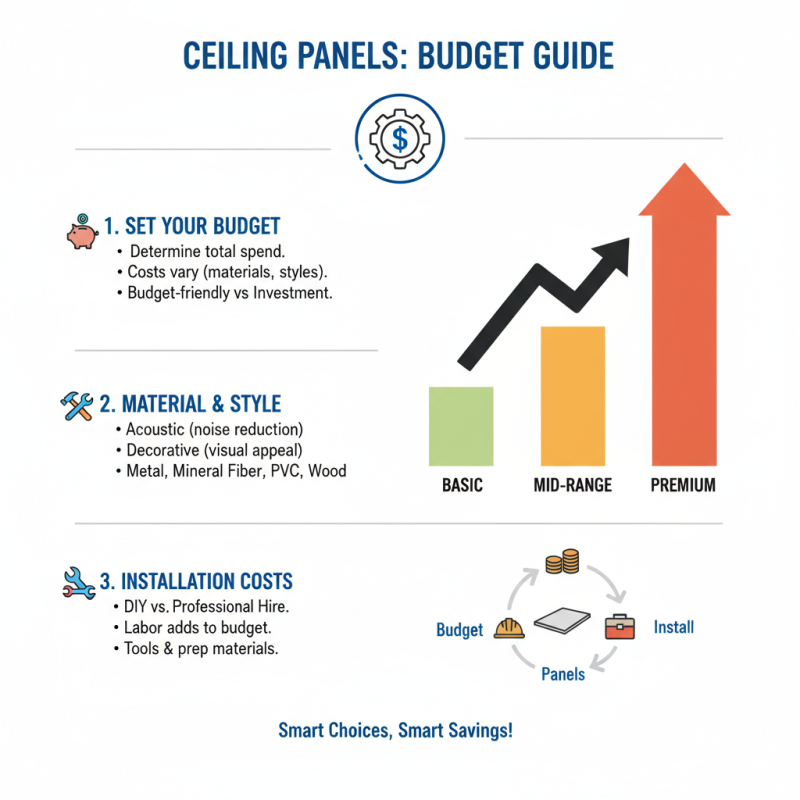
When selecting the right ceiling panel for your home, it’s essential to know the different types available. There are several options, each with unique features. For example, acoustic panels help reduce sound, making them ideal for noisy environments. They come in various styles and textures. On the other hand, vinyl panels are moisture-resistant, perfect for kitchens and bathrooms. They are easy to clean and maintain.
Additionally, there are decorative options like tin or wood panels. These can enhance the beauty of any room. However, they may require more installation effort. Some homeowners find these panels heavy to work with. It's crucial to consider the weight and installation process. Basic panels might be easier for DIY projects.
In some cases, people overlook insulation properties when choosing panels. This can lead to energy inefficiency. Researching insulation values is vital. You don’t want to face high energy bills later. Choosing the right ceiling panel isn’t just about aesthetics. It also involves practical considerations that can impact your overall living experience.
10 Tips for Choosing the Right Ceiling Panel for Your Home
| Type of Ceiling Panel |
Material |
Cost Range (per sq. ft.) |
Durability |
Maintenance Level |
| Acoustic Panels |
Fiberglass |
$2 - $6 |
High |
Low |
| PVC Panels |
Plastic |
$1 - $4 |
Medium |
Very Low |
| Wood Panels |
Solid Wood or MDF |
$3 - $10 |
Very High |
Medium |
| Mineral Fiber Panels |
Synthetic Fiber |
$2 - $5 |
High |
Low |
| Gypsum Ceiling Panels |
Gypsum Board |
$1 - $3 |
Medium |
Medium |
| Metal Panels |
Aluminum or Steel |
$4 - $8 |
Very High |
Very Low |
Considering Aesthetic vs. Functional Requirements
Choosing the right ceiling panel blends aesthetic appeal with
functional needs. Homeowners often face a tough decision
between design and practicality. According to the Building Materials Buyer’s Guide,
aesthetics account for nearly 50% of customer choice.
A beautiful ceiling can enhance your room's ambiance, creating a welcoming atmosphere.
However, functionality cannot be overlooked. Acoustic performance,
insulation properties, and moisture resistance are critical. A study from the
National Association of Home Builders shows that 30% of buyers
prioritize soundproofing. Installing poorly chosen panels may lead to noise issues or inefficiencies in energy costs.
For example, thin panels may save on initial investment but could increase energy bills long-term.
Visualize your space with complementary colors and textures. Bright panels offer a modern look, while
wood finishes add warmth. Be cautious with trends; they can quickly fade. The ideal choice
must resonate with your home's overall design. Adjusting between trendy and timeless themes
can lead to mixed results. It’s essential to strike a balance that reflects your style while ensuring
durability and functionality.
Evaluating Material Durability and Maintenance Needs
When selecting ceiling panels, assessing material durability is crucial. A panel’s lifespan can greatly impact your overall investment. Different materials offer varying levels of durability. Some can withstand moisture, while others might warp easily. For example, wood can bring warmth, but it may require more maintenance over time. You might end up dealing with peeling finishes or rot in humid areas.
Consider maintenance needs next. Some materials demand regular cleaning, while others need little care. Vinyl panels are often easier to clean but may not have the aesthetic appeal of more traditional materials. If you are busy, low-maintenance options might be ideal. However, do you consider the long-term look and feel? Aesthetic sacrifice could mean frequent replacements.
Ultimately, think about where you live. Areas with high humidity or temperature swings need thoughtful choices. Understand the characteristics of each material. Will you be prepared for unexpected repairs? Reflecting on these questions can guide you toward the best decision.
Assessing Acoustic Properties and Sound Absorption
When selecting ceiling panels, acoustic properties are crucial. Sound absorption affects how noise travels in your home. If you live in a busy area, it’s vital to choose materials that reduce sound. High-density panels can provide excellent noise control. They minimize echoes and enhance sound quality in various rooms.
Pay attention to the design and material. Some panels look great but don't absorb sound well. Textured surfaces can improve sound absorption significantly. You might want to try different finishes. Smooth panels often reflect sound, which can be undesirable. Test samples at home before your final decision. This helps ensure they meet your needs.
Consider the thickness too. Thicker panels generally offer better soundproofing. However, they may not suit every room aesthetically. Mixing different panel types can be a solution. This way, you can achieve the look you want while enhancing acoustics. Remember, the right choice might not be obvious at first. Take your time to explore options that blend form and function.
Acoustic Properties of Ceiling Panels
This bar chart illustrates the sound absorption coefficients of various ceiling panel types, helping you to assess their acoustic properties effectively. A higher coefficient indicates better sound absorption, which is crucial for creating a pleasant auditory environment in your home.