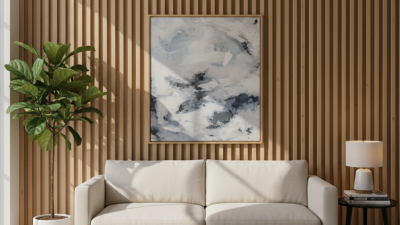
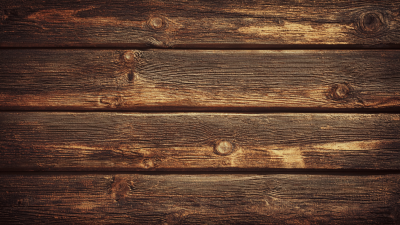
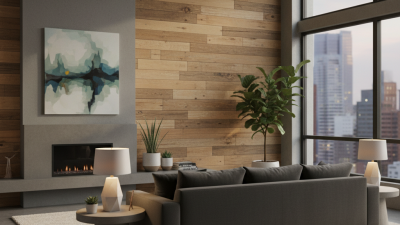
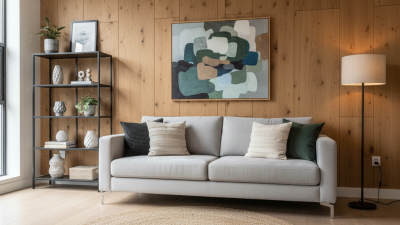
How to Choose the Best Wood Wall Paneling for Your Home?
When it comes to home design, the choice of materials can significantly impact the overall aesthetic. Wood Wall Paneling has gained popularity for its warmth and versatility. According to interior design expert James Hargrove, “The right wood paneling can transform a dull space into a cozy retreat.” His insight reflects the transformative power of using wood in interior spaces.
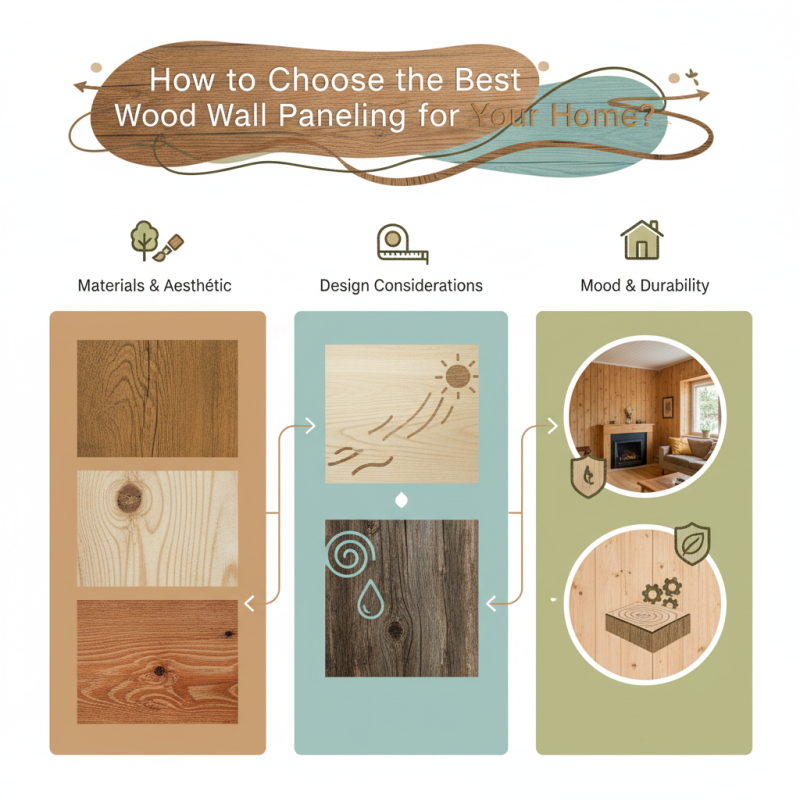
Choosing the best wood wall paneling involves understanding various wood types, textures, and colors. Oak, pine, and cedar each offer unique qualities. The grain pattern and finish can dramatically alter the feel of a room. Homeowners should consider their personal style and the mood they wish to create.
However, not every wood paneling option works in every space. Factors such as humidity and light can affect the wood over time. It’s essential to balance aesthetics with functionality. This choice requires thoughtful consideration of both design and durability. In the end, the goal is to create a space that feels inviting and reflects individual taste.
Understanding Different Types of Wood Wall Paneling
Wood wall paneling adds character and warmth to any space. Different types of wood paneling can create unique atmospheres. You might choose solid wood for its durability and timeless appeal. This option is often more expensive but offers a classic look. It can age beautifully, developing a rich patina over time.
Another popular choice is engineered wood. It consists of different layers, providing stability and affordability. This type can mimic the look of solid wood while being more resistant to warping. You may find a variety of finishes and styles, from rustic to modern, that fit your design vision.
Consider also the installation process. Some wood paneling comes with easy-to-follow kits. Others may require professional help, which could increase costs. Do you really want to take on that challenge? Research your options well. You’ll want to avoid potential pitfalls like poor quality or inadequate sizing. Making an informed choice will ensure your walls look great and last long.
Comparative Analysis of Wood Wall Paneling Types
Assessing the Aesthetics and Style for Your Home
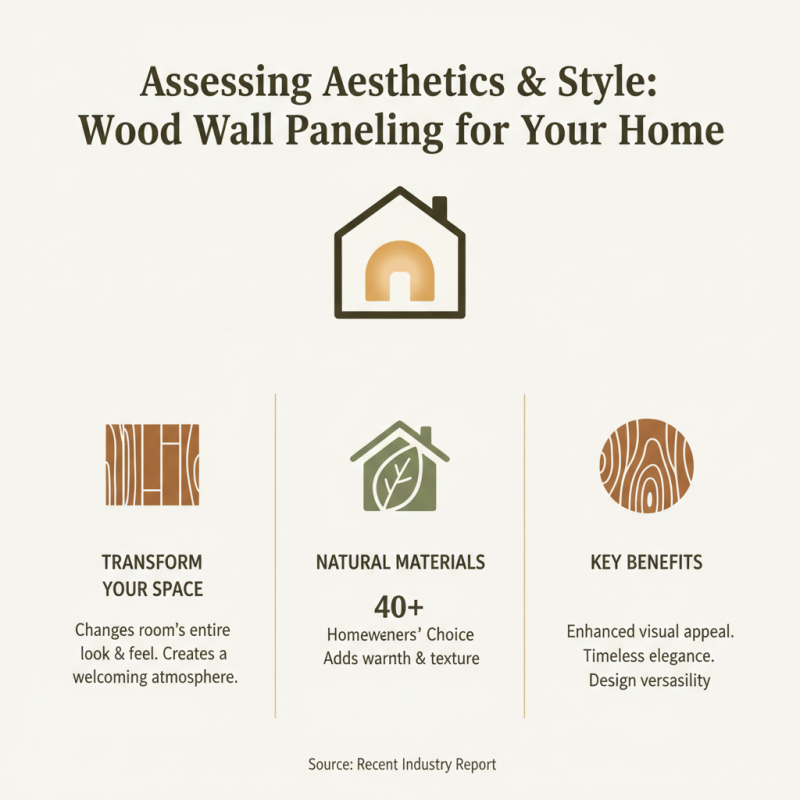
Choosing the right wood wall paneling for your home requires careful consideration of aesthetics and style. Wood paneling can drastically transform a space. According to a recent industry report, over 40% of homeowners prioritize natural materials for their interior design. The warmth of wood can create a welcoming atmosphere.
When assessing aesthetics, think about the finish and grain of the wood. For instance, a smooth finish provides a modern look, while a rough texture adds rustic charm. Statistics show that textured finishes are gaining popularity, appealing to 55% of homeowners. However, while these textures look inviting, they can be challenging to maintain. Dust and dirt can accumulate in crevices.
Beyond looks, the style of your home impacts your choices. Traditional homes often benefit from classic wood paneling styles, while modern layouts may favor sleek, minimal designs. It's essential to find a balance that complements your existing decor. Some choices may require more upkeep than expected. As preferences change, what looks good now may not meet your needs in a few years. Always reflect on how your selection will age over time.
Evaluating Durability and Maintenance Needs
When selecting wood wall paneling, evaluating durability and maintenance is crucial. Different wood types offer varying levels of resilience. According to the American Wood Council, hardwoods like oak and maple stand up well against wear and tear. They are known for their longevity, which can be a vital factor for high-traffic areas in your home. Softwoods, such as pine, may require more maintenance and don’t last as long. This can lead to increased costs over time.
Tip: Regular maintenance can enhance durability. Applying a protective finish every few years can extend the life of your paneling significantly. Wood treated with stains or sealants not only improves aesthetics but also resists moisture and stains.
Consider the climate where you live. High humidity can cause wood to warp. The USDA Forest Service reports that wood paneling in humid areas requires closer attention. If moisture is a concern, choose treated wood or install proper ventilation. This will help maintain the integrity of your paneling over the years. Balancing aesthetics with functionality is essential, as it can prevent costly repairs later on.
How to Choose the Best Wood Wall Paneling for Your Home? - Evaluating Durability and Maintenance Needs
| Wood Type |
Durability (Years) |
Maintenance Needs |
Cost (per sq. ft.) |
Appearance |
| Oak |
30 |
Low; occasional refinishing |
$7 |
Classic and sturdy |
| Pine |
20 |
Medium; routine cleaning |
$3 |
Light and rustic |
| Mahogany |
50 |
Low; periodic polishing |
$10 |
Rich and luxurious |
| Cedar |
25 |
Medium; staining required |
$8 |
Aromatic and natural |
| Maple |
40 |
Low; occasional refinishing |
$6 |
Smooth and modern |
Considering Installation Methods and Costs
When considering wood wall paneling for your home, installation methods play a crucial role. Different methods have varying costs and complexities. For example, tongue-and-groove panels are popular for DIY enthusiasts. They can create a seamless look without much hassle. However, this method requires precision in cuts. If not done correctly, the final result may be less appealing.
Another option is pre-finished paneling, which simplifies the process. These panels often use adhesive for easy installation. Yet, the cost might be higher due to manufacturing processes. It's essential to weigh these factors against your budget and skills. Hiring a professional could eliminate stress but increases overall expenses.
Think about long-term maintenance, too. Some wood types may require more upkeep than others. Moisture and humidity can warp or damage the panels over time. Consider your local climate when making decisions. Ultimately, the right choice balances aesthetics, cost, and practicality, while ensuring you remain within realistic expectations of your abilities and resources.
Choosing the Right Finish and Color for Your Space
Choosing the right finish and color for wood wall paneling can transform your space. When considering colors, think about mood. Lighter hues create a sense of openness, while dark colors add warmth and intimacy. It's important to test samples in your home. Lighting plays a crucial role in how colors appear. Shades may look different in natural light versus artificial light.
Finish options also matter. A matte finish provides a rustic feel, while a glossy finish can enhance elegance. However, glossy surfaces may show imperfections. Imperfections can be part of the charm in natural wood. Consider the maintenance required for each finish. Some need regular upkeep, while others are more forgiving.
Reflect on your overall decor. The finish and color should complement existing elements, not clash with them. It's okay to feel uncertain. Take your time to find what feels right. After all, it's your personal space that reflects your style and personality.