How to Choose the Best Outdoor Wall Panels for Your Home?
Choosing the right outdoor wall panels for your home can feel overwhelming. Many options exist, each with unique advantages. Outdoor wall panels enhance the aesthetic appeal of your property. They also offer protection against the elements.
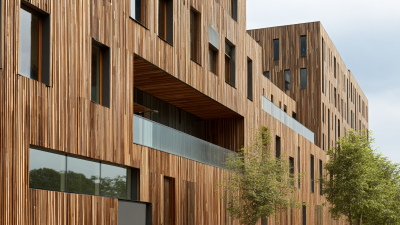
Consider different materials, from wood to metal. Each material presents distinct benefits and challenges. For instance, wood provides warmth but requires regular maintenance. Metal panels might be more durable but can come with a higher cost.
Think carefully about your needs and preferences. What style fits your home best? Do you prioritize durability, maintenance, or aesthetics? The right choice can significantly impact your outdoor space. Remember, not all products are created equal. Take your time to research reputable brands before making a decision. This will ensure that your outdoor wall panels serve both functional and decorative purposes.
Understanding Different Types of Outdoor Wall Panels Available in the Market
When choosing outdoor wall panels, understanding the types available is crucial. Several options dominate the market, each with unique benefits and drawbacks. Wood panels, for example, provide a natural aesthetic but require regular maintenance to prevent rot. According to a 2023 report by the Outdoor Design Institute, untreated wood can decay within 5 to 10 years if exposed to weather.
Composite materials have gained popularity for their durability. These panels combine wood fibers and plastic, resulting in water resistance and low maintenance needs. However, they can come at a higher initial cost. The same report indicates that composite panels have a lifespan of up to 25 years, making them a long-term investment.
Vinyl panels are another option. They are lightweight, easy to install, and resistant to fading and warping. However, their aesthetic appeal may not match that of wood or composites. It's important to note that not all vinyl panels are sustainable, raising environmental concerns. Each type has merits and limitations, making it essential to assess your specific needs before making a choice.
Assessing the Climate and Weather Conditions for Optimal Panel Selection
When choosing outdoor wall panels, understanding the local climate is crucial. Different weather conditions can significantly affect the longevity and performance of materials. For instance, a report by the American Institute of Architects highlights that weather exposure can degrade exterior materials in as little as five years. This means selecting panels that can withstand your area’s specific climate is vital.
In colder regions, panels should be insulated to guard against freezing temperatures. Materials that resist moisture penetration are essential to prevent mold growth, which can impact indoor air quality. In contrast, areas with high humidity require vents to allow airflow, as stagnant moisture can lead to deterioration. According to the U.S. Department of Energy, moisture-related issues contribute to 80% of building failures. Therefore, understanding local weather patterns is essential in making informed decisions.
It’s also worth considering wind resistance for coastal areas. High winds can tear away improperly secured panels, resulting in costly repairs. Some materials can warp or crack under intense sun exposure, while others fade quickly. Research indicates that UV light exposure can reduce panel life expectancy by up to 50%. This information stresses the importance of evaluating your environment before making a purchase. The balance between aesthetics and functionality cannot be overlooked when selecting the right outdoor wall panels for your home.
How to Choose the Best Outdoor Wall Panels for Your Home? - Assessing the Climate and Weather Conditions for Optimal Panel Selection
| Climate Zone |
Recommended Panel Material |
Key Features |
Pros |
Cons |
| Tropical |
Composite Wood |
Moisture-resistant, UV-stable |
Eco-friendly, Low maintenance |
Can fade over time |
| Desert |
Fiber Cement |
Fire-resistant, Durable |
Long lifespan, Minimal expansion |
Heavier than other options |
| Temperate |
Vinyl |
Water-resistant, Low-cost |
Variety of colors, Easy to install |
Can warp in extreme temperatures |
| Cold |
Metal Panels |
Corrosion-resistant, Insulated |
Strong durability, Modern look |
Can be noisy during rain or hail |
| Marine |
Treated Wood |
Salt-resistant, Weatherproof |
Natural insulation, Aesthetic appeal |
Requires regular maintenance |
Evaluating Aesthetic Considerations for Outdoor Wall Panels
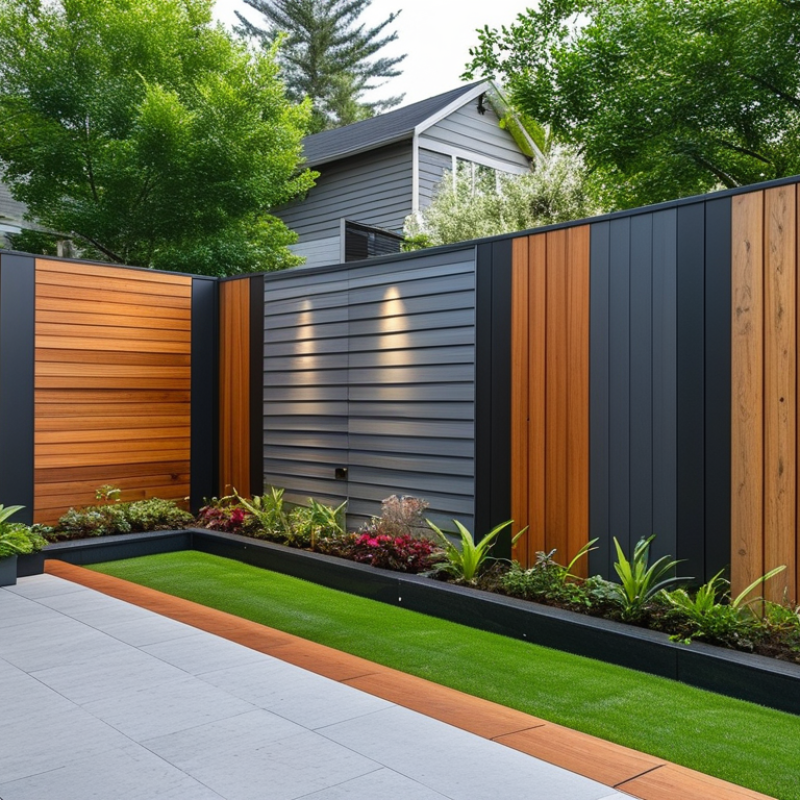
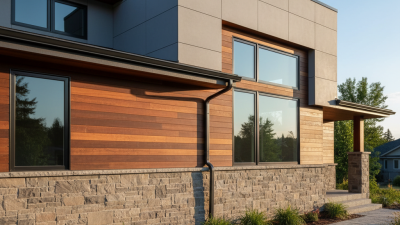
When evaluating aesthetic considerations for outdoor wall panels, the visual impact is paramount. The design should resonate with your home’s architecture. Think about colors and textures that can complement your existing exterior. A rustic wood finish might add warmth, while sleek metal panels can provide a modern touch. Consider how these choices reflect your personal style.
Lighting plays a significant role in how outdoor panels appear throughout the day. Natural sunlight can enhance certain textures while casting shadows that change the mood of your space. Experimenting with different angles may lead to surprising results. Don't overlook the importance of maintenance in your aesthetic choice. Some materials require more upkeep, which can affect their long-term visual appeal.
Moreover, reflect on how your wall panels align with the surrounding landscape. A well-designed outdoor area harmonizes with nature. Think about plants, pathways, and other features you may have. Balancing all these elements creates a cohesive look. Ask yourself if the materials you’re considering can stand the test of time. An ideal choice enhances beauty and functionality.
Considering Durability and Maintenance Requirements of Wall Panels
When selecting outdoor wall panels, durability and maintenance are crucial. Homeowners should consider the material's ability to withstand weather changes. Some materials fade quickly in sunlight. Others can crack or warp in extreme temperatures. The right choice can save you time and money in the long run.
Maintenance requirements vary widely. Some panels require regular painting or staining. Others may only need occasional cleaning. It’s important to think about the time you are willing to invest. Regular upkeep can become burdensome for busy families. Think carefully about what fits your lifestyle.
Always consider your local climate when choosing wall panels. High humidity can lead to mold or mildew growth. In drier regions, panels may need more frequent replacement. When in doubt, consult with professionals. Their experience can guide you toward options that last. Remember, what works for one home may not work for yours. Explore different materials and finishes to find the best fit for your needs and preferences.
Budgeting for Outdoor Wall Panels: Costs and Installation Factors
When budgeting for outdoor wall panels, several factors come into play. Start by determining your budget range. The cost of materials can vary widely, influenced by factors such as quality, style, and installation complexity. For instance, natural wood panels may cost more initially but can add warmth and character to your space.
In contrast, vinyl panels might be cheaper upfront, but could lack the same visual appeal.
Installation expenses also factor into the overall budget. Some panels are easy enough for DIY installation. Others may require a professional's touch, increasing labor costs. Consider the time you have available and your own skill level. Hiring a contractor can eliminate potential installation errors. However, it will increase your total expenditure.
Don't forget the long-term maintenance costs as well. Some materials require regular upkeep, which can add to your budget later. Think about whether you want a low-maintenance option. Researching different materials and their durability can aid in decision-making. Reflecting on these aspects will help you create a realistic budget for your outdoor wall panels.