2026 How to Choose the Best 3D Wall Panels for Your Home Design?
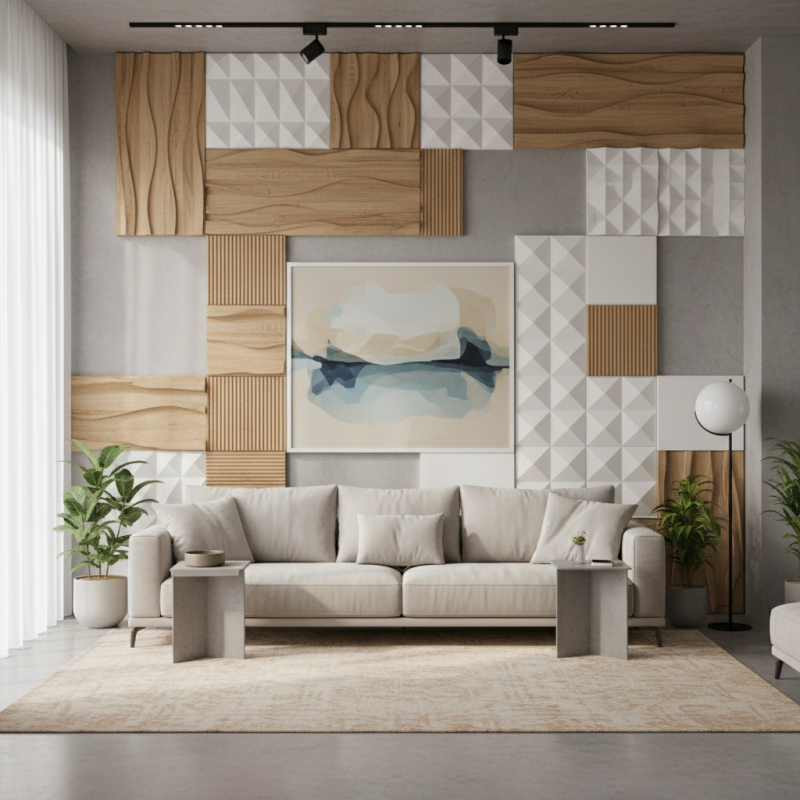
Choosing the right 3D wall panels can transform your home’s aesthetic. These panels add depth and texture to your walls. Their unique designs enhance any room, making it feel modern and inviting.
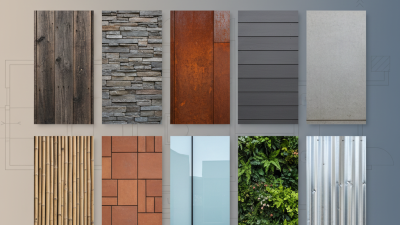
When selecting 3D wall panels, consider the material. Options range from wood to PVC and gypsum. Each material offers different visual effects and durability. Different patterns can evoke various moods. For instance, geometric shapes lend a contemporary feel, while organic designs create warmth.
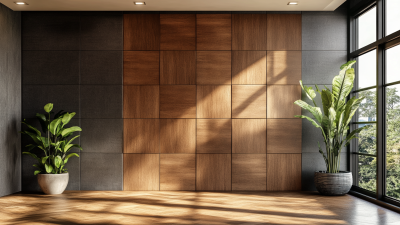
Think about color too. Light colors can make a room feel larger. Dark hues can add drama and sophistication. Your choice should reflect your style and the home’s overall theme. This decision requires reflection; every choice impacts the atmosphere. Embrace the process and explore different options. It can be rewarding but also daunting.
Understanding the Basics of 3D Wall Panels and Their Applications in Design
3D wall panels have gained popularity in modern interior design. These panels offer a unique way to elevate spaces. They add depth and texture, transforming plain walls into visually striking elements. A report by Research and Markets indicates that the global 3D wall panel market is expected to grow at a CAGR of over 12% from 2021 to 2026. This projected growth highlights their rising acceptance and innovative applications in home decor.
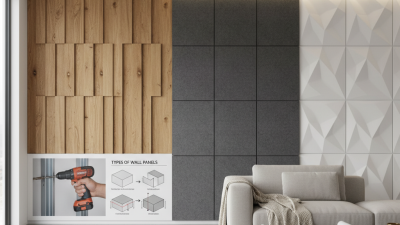
Understanding the basics of 3D wall panels is essential. They come in various materials like PVC, wood, and gypsum. Each type has distinct characteristics and costs. For instance, PVC panels are budget-friendly and water-resistant. However, they may lack the premium feel of wood. Designers often face challenges when balancing aesthetics and practicality. Sometimes, they choose panels that look great but are hard to maintain.
Another point to consider is the installation process. Some panels require professional help, increasing the overall cost. DIY options exist, yet they often lead to imperfect finishes. Homeowners may experience frustration if their skill level doesn't match their vision. Taking time to research options can lead to better choices. High-quality installations lead to long-lasting beauty.
Evaluating Materials: Comparing Wood, PVC, and Gypsum for 3D Panels
Choosing the right material for 3D wall panels can significantly impact your home's design.
Wood panels offer a warm, natural look. They bring texture and richness to a space. However, wood can warp in humid conditions.
Maintenance is also a concern, as wood requires regular sealing and care.
PVC panels are lightweight and moisture-resistant. This makes them ideal for kitchens and bathrooms. They are available in various patterns and colors.
However, some may argue they lack the elegance of wood. Gypsum panels, on the other hand, provide excellent sound insulation.
They can be easily painted, making them versatile. Yet, gypsum is not moisture-resistant and can deteriorate in damp environments.
Ultimately, each material has its pros and cons. Reflecting on your space's specific needs is crucial.
Are aesthetics your priority or durability?
Selecting the right panel requires careful thought. Measuring the space accurately can prevent unexpected challenges later.
A few trial samples can help visualize the result.
Aesthetic Considerations: Colors, Textures, and Patterns in Home Design
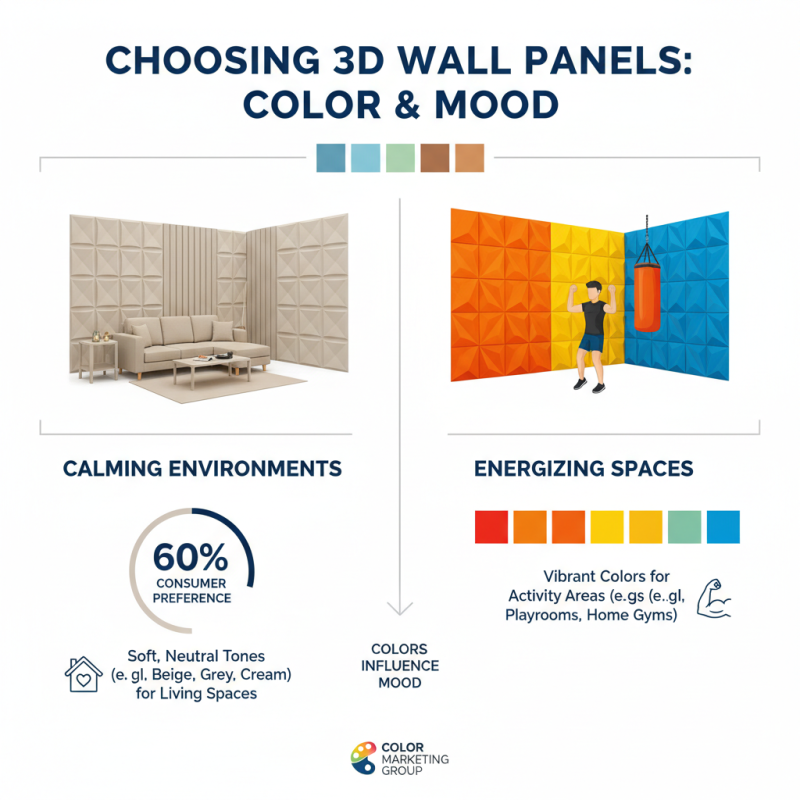
When selecting 3D wall panels for your home, aesthetic considerations are crucial. Colors can dramatically influence mood. According to a recent study by the Color Marketing Group, 60% of consumers prefer soft, neutral tones for living spaces. These hues create a calming environment. In contrast, vibrant colors can energize areas meant for activity, like playrooms or home gyms.
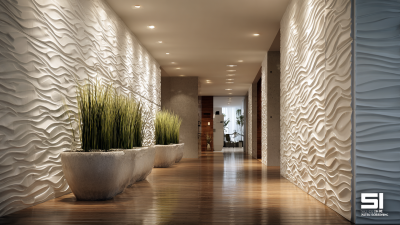
Textures add depth to wall designs. A report from the Interior Design Society highlights that textured surfaces can enhance the tactile experience of a room. Smooth surfaces may seem sleek, but they can feel cold and uninviting. Alternatively, rough textures can evoke a rustic charm. Mixing textures is an effective way to create a dynamic look.
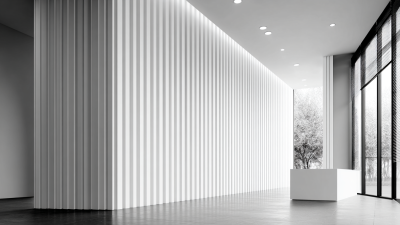
Patterns are equally important. Linear designs can make a space feel taller, while geometric shapes might add modern appeal. However, overusing bold patterns can overwhelm a room. Balance is key. Sometimes, less is more. A single statement panel may be more effective than an entire wall of busy patterns. Finding this balance can be challenging but rewarding.
Assessing Installation Techniques and Durability for Long-term Use
Choosing the right 3D wall panels goes beyond aesthetics. It’s essential to assess installation techniques and durability. Proper installation directly influences longevity. Misalignment can lead to gaps, causing structural issues over time. A study from the Interior Design Association shows that about 30% of wall panel installations face issues due to improper techniques.
Material matters greatly too. High-density foams can offer more durability than lightweight materials. Industries report an average lifespan of 10-15 years for quality panels. However, cheaper alternatives may start to wear within just a few years. Moisture resistance is another crucial aspect. Panels that can't withstand humidity can buckle or warp in damp areas.
Installation time can vary widely. Skilled installers can finish a project within a few days. Untrained hands might take weeks, leading to increased costs. This raise in time also increases the risk of errors. Each step of the process should be reviewed carefully. Regular checks during installation can reveal potential problems early. Choosing a knowledgeable installer with a solid reference code is often a worthwhile investment.
Budgeting for 3D Wall Panels: Cost Analysis and Return on Investment
When considering 3D wall panels for your home, budgeting is crucial. These panels can range significantly in price. A basic option might start at a low cost, while premium selections can be more expensive. It’s important to assess how much you’re willing to invest. Look beyond just the initial price. Think about long-term benefits and durability.
Calculating the return on investment is also key. Will these panels enhance your home’s value? If you plan to sell, stylish and unique designs often attract buyers. Focus on features that offer both aesthetics and functionality. You might discover that a more costly panel ultimately saves money on maintenance and replacements.
Be cautious. Investing too heavily in high-end designs could stretch your budget too thin. Reflect on your home’s overall style. A mismatched look might not deliver the desired effect. Gather a clear picture of what you want and how much you can realistically spend. Balancing cost and visual appeal is an ongoing challenge.