Ultimate Tips for Choosing and Installing Wood Wall Paneling in Your Home
When it comes to enhancing the aesthetic appeal of your home, few elements can rival the warmth and character of wood wall paneling. This timeless feature has been embraced by homeowners and designers alike for its ability to transform spaces into inviting and stylish environments. Renowned interior designer Sarah Mitchell emphasizes the importance of this design choice, stating, "Wood wall paneling adds depth and a sense of luxury to any room, making it a favorite among those looking to create a unique atmosphere."
Choosing the right wood wall paneling not only involves selecting the right materials but also understanding the nuances of installation to achieve the desired look. As you embark on this transformative journey, it's crucial to consider various factors, from the type of wood and finish to the layout and additional accents that harmonize with your home's overall design scheme. With the right guidance, you can navigate the options available and make informed decisions that enhance the beauty and value of your space.
In this article, we will delve into essential tips for choosing and installing wood wall paneling, ensuring that your home reflects your style while maximizing the timeless charm that wood can offer.

Understanding the Benefits of Wood Wall Paneling in Home Design
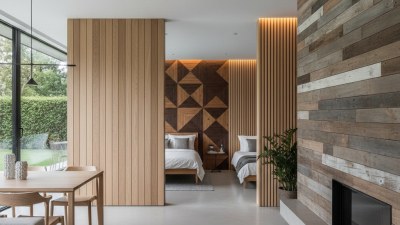
Wood wall paneling offers a myriad of benefits that enhance home design and elevate aesthetic appeal. One of the primary advantages is its natural warmth and versatility. Unlike cold, clinical materials, wood evokes a sense of comfort and coziness, making spaces feel more inviting. Whether you opt for a rustic farmhouse look or a sleek modern design, wood paneling can be customized to fit various styles, allowing homeowners to express their unique tastes.
In addition to its visual and tactile benefits, wood wall paneling also improves acoustics within a home. Wood naturally absorbs sound, which can help reduce noise levels, making rooms more peaceful environments for relaxation and conversation. Furthermore, wood has insulating properties that can contribute to energy efficiency, helping maintain a stable temperature indoors. This dual functionality as both a design feature and an acoustic modifier makes wood wall paneling a practical choice for enhancing the overall ambiance of any living space.
Selecting the Right Wood Species for Your Wall Paneling Project
When it comes to selecting the right wood species for your wall paneling project, it's essential to consider durability, aesthetics, and sustainability. According to a study by the Wood Products Council, species such as oak, maple, and cherry are among the most popular options due to their structural integrity and attractive grain patterns. Oak, for instance, boasts a Janka hardness rating of 1,360, making it a robust choice for areas that experience a lot of wear and tear. Maple, reaching a hardness of 1,450, offers a smooth surface that is ideal for both contemporary and traditional designs.
Sustainability is another crucial factor in your selection. The Forest Stewardship Council (FSC) provides certifications that ensure the wood comes from responsibly managed forests. Opting for FSC-certified wood not only helps protect the environment but can also enhance your home’s market value, as studies have shown that homes constructed with sustainable materials tend to sell at a premium. By choosing species that are not only beautiful but also eco-friendly, homeowners can create a warm and inviting atmosphere while making a positive impact on the planet.
Ultimate Tips for Choosing and Installing Wood Wall Paneling in Your Home - Selecting the Right Wood Species for Your Wall Paneling Project
| Wood Species |
Durability |
Aesthetic Appeal |
Cost per Square Foot |
Recommended Use |
| Oak |
High |
Classic Look |
$3.00 |
Living Rooms, Offices |
| Pine |
Medium |
Rustic Charm |
$2.00 |
Cabins, Bedrooms |
| Cedar |
High |
Natural Aroma |
$4.00 |
Saunas, Outdoor Spaces |
| Maple |
High |
Smooth Texture |
$3.50 |
Kitchens, Dining Rooms |
| Walnut |
Very High |
Luxurious Look |
$5.50 |
Formal Areas, Elegant Spaces |
Essential Tools and Materials Needed for Installation
When it comes to installing wood wall paneling, having the right tools and materials is essential for achieving a professional finish. According to a report from the National Wood Flooring Association (NWFA), proper preparation and the use of high-quality materials can significantly improve the durability and aesthetic appeal of your project. Among the most crucial tools are a miter saw for precise cutting, a level to ensure your panels are straight, and a nail gun to speed up the installation process. Additionally, a tape measure and a square are fundamental to achieve accurate measurements and angles.
In terms of materials, selecting the right type of wood is just as important as the tools you use. The market insights from IBISWorld indicate that the wood paneling industry has seen a steady growth, reflecting a rise in consumer preference for natural materials in interior design. Common options include plywood, engineered wood, and solid wood panels, each offering different aesthetics and durability. It's also worth considering adhesives, finishing products, and protective coatings to enhance the longevity of your wood paneling. By investing in quality tools and materials, you not only ensure a smoother installation process but also contribute to an enduring and beautiful element in your home decor.
Step-by-Step Guide to Installing Wood Wall Paneling
When it comes to installing wood wall paneling in your home, following a structured step-by-step guide can make the process smoother and more successful. Begin by preparing your workspace and ensuring the walls are clean, dry, and free of any imperfections. Measure the area accurately to determine how much paneling you will need, and choose your preferred style and wood type. It's advisable to acclimate the wood to the room's temperature and humidity for a few days, preventing any warping once installed.
Next, begin the installation process by marking a level line on the wall where the first panel will start. Use a stud finder to locate the studs and secure the panels directly to them for the best support. Apply adhesive to the back of the panels for added stability and press them firmly against the wall. As you work your way up or across, use spacers to ensure consistent gaps between panels if you’re opting for a non-continuous look. Once the panels are in place, finish with appropriate caulking or trim to hide seams and enhance aesthetics. Sand any rough edges and apply a finish or sealant to protect the wood and bring out its natural beauty.
Maintenance Tips for Keeping Your Wood Wall Panels Looking Great
To ensure your wood wall panels maintain their stunning appearance, regular maintenance is essential. Start by dusting the panels frequently using a soft microfiber cloth or a feather duster to prevent the buildup of dirt and grime. This simple step can help preserve the natural beauty of the wood and keep it looking fresh. For deeper cleaning, use a mixture of mild soap and water, applied with a damp cloth. Avoid harsh chemicals or abrasive scrubbers, as they can damage the finish of the wood.
In addition to regular cleaning, it’s important to monitor the humidity levels in your home. Wood is susceptible to changes in moisture, which can lead to warping or cracking. Utilizing a dehumidifier or humidifier can help maintain a balanced environment. Additionally, consider applying a wood conditioner or polish every few months to enhance the wood’s sheen and protect it from fading. Lastly, promptly address any scratches or dents by using a wood filler or touch-up marker to keep the panels looking flawless and extend their lifespan.