How to Choose the Best Composite Decking for Your Home?
Choosing the best Composite Decking for your home can feel overwhelming. With various options available, making an informed decision is essential. A study by the North American Deck and Railing Association reveals that over 60% of homeowners opt for composite materials for their decks. This trend highlights the growing popularity of Composite Decking.
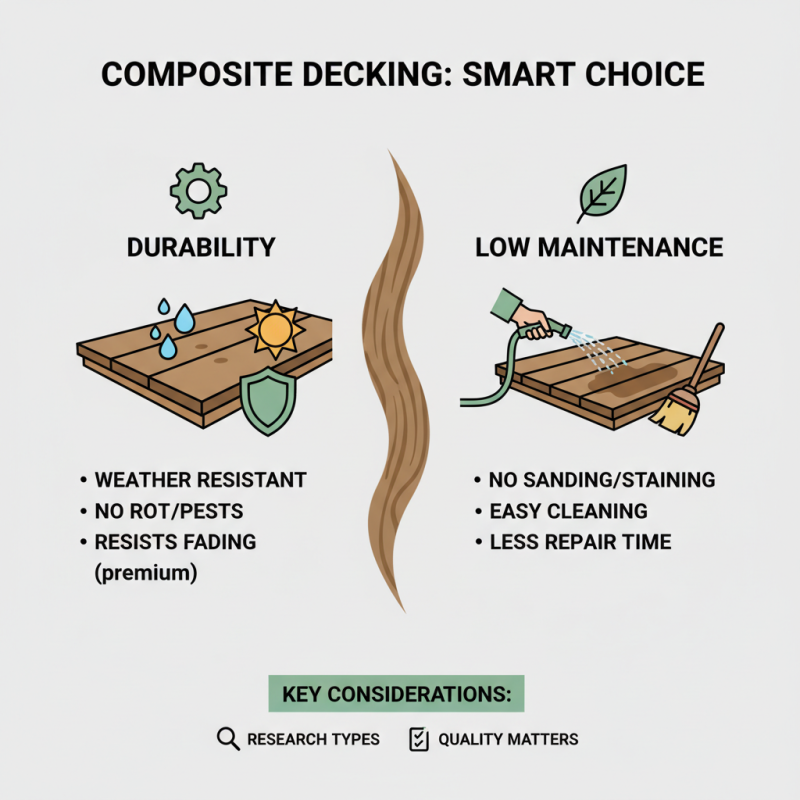
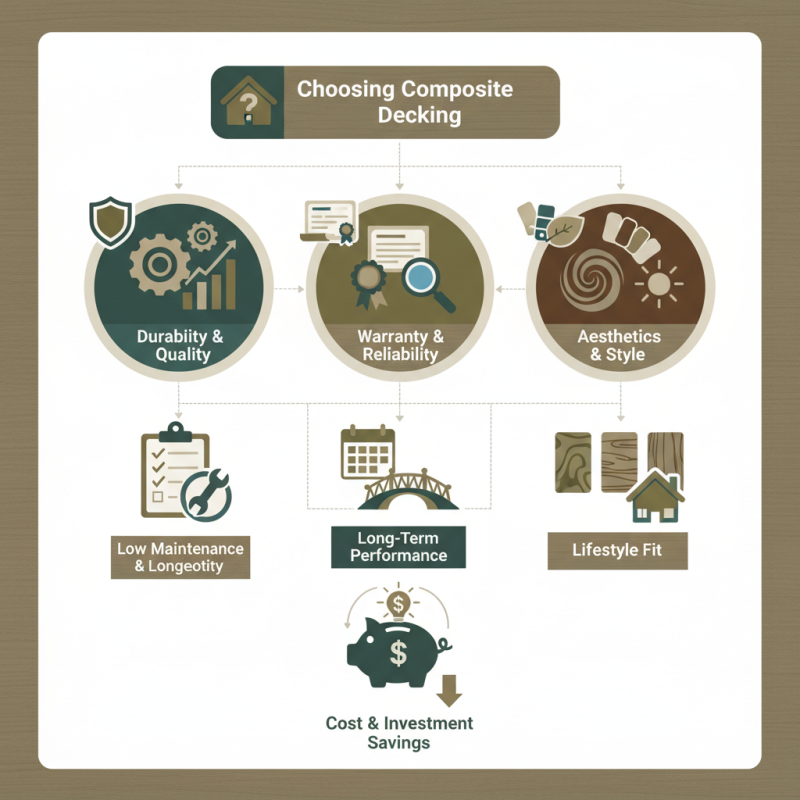
Composite Decking offers durability and low maintenance, making it attractive for many homeowners. However, not all products are created equal. It’s crucial to evaluate the quality, warranty, and aesthetics of the options you’re considering. Some brands may boast impressive features but lack long-term reliability.
Cost is another significant factor. While initial investments in Composite Decking can be higher, they often lead to savings over time due to less maintenance. Yet, some homeowners find themselves regretting decisions based solely on price. In-depth research can help avoid pitfalls. Take time to explore brands, materials, and long-term performance to find the best fit for your lifestyle.
Understanding Composite Decking: Definition and Benefits
Composite decking has gained popularity for its durability and low maintenance needs. This material blends plastic and wood fibers, creating a robust and weather-resistant surface. According to a report by Grand View Research, the composite decking market is expected to reach over $5 billion by 2027, highlighting its increasing acceptance among homeowners.
The benefits of composite decking are significant. It resists fading, scratching, and mold compared to traditional wood. Homeowners can save time and money on maintenance. A composite deck typically needs only soap and water for cleaning. An estimate from the North American Deck and Railing Association indicates that composite decks can last up to 25-30 years with proper care, significantly longer than wood.
Opting for composite decking requires careful consideration. While it offers many advantages, it can be more expensive upfront. Not all products perform equally. Issues like heat retention in summer could make the surface uncomfortable. Consumers should research different options carefully to make informed choices. It's essential to weigh long-term costs versus immediate expenses when deciding on decking materials for a home.
How to Choose the Best Composite Decking for Your Home?
| Dimension |
Description |
Benefits |
Considerations |
| Material Composition |
Typically made from a mix of wood fibers and recycled plastic. |
Durable, weather-resistant, and low maintenance. |
Ensure proper ventilation during installation to prevent moisture build-up. |
| Color Options |
Available in a variety of colors and finishes. |
Can enhance the aesthetic appeal of your outdoor space. |
Colors may fade over time; check warranty terms. |
| Cost |
Price can vary based on quality and brand. |
Long-term savings on maintenance and repair. |
Higher upfront cost compared to traditional wood. |
| Sustainability |
Often made from recycled materials. |
Environmentally friendly choice for decking. |
Verify the sustainability claims when purchasing. |
| Installation |
Can be installed with existing framing. |
Quick installation process. |
Follow manufacturer's guidelines for best results. |
Types of Composite Decking Materials: Which One is Right for You?
Choosing the right composite decking material can feel overwhelming. There are many options available, each with unique features. Some composites are made from wood and plastic blends, while others use 100% recycled materials. Consider your aesthetic goals and durability needs when selecting.
Wood-plastic composites are popular for their natural look. They mimic the warmth of wood while offering better resistance to moisture and insects. However, they may not last as long as other materials. Pure plastic composites are often more affordable. They provide excellent longevity and require less maintenance, which is a big plus for busy homeowners.
You might prefer a certain color or texture, but keep practicality in mind. Consider how the material will stand up against harsh weather conditions. Some options may fade or scratch easily. It’s important to see samples in person to understand how they’ll look on your deck. Reflect on your priorities: beauty, budget, or durability? Each choice has trade-offs that need careful thought.
Evaluating Durability and Maintenance Requirements for Decking
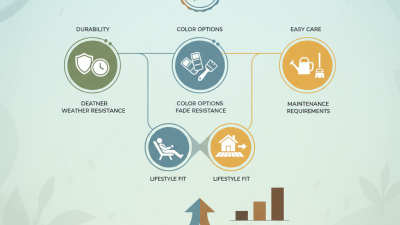
When choosing composite decking, durability and maintenance are key factors. Composite materials can mimic wood but offer better resistance to weather and pests. This means less time spent on repairs. However, not all composites are created equal. Some might fade faster or warp with time. It's crucial to research the specific types available.
**Tip**: Look for warranties that offer at least 25 years. This often indicates higher durability. Check if your choice resists stains and moisture damage. Some composites require only occasional cleaning, while others might need more attention. It’s wise to consider your local climate and environment.
Consider how much maintenance you are willing to commit. Some composites need power washing, while others require only soap and water. Regular inspections are essential too. Look for signs of wear, especially in joints or edges where water collects. Ignoring these details could lead to bigger issues later.
**Tip**: Think about your lifestyle. If your deck will see a lot of foot traffic or outdoor gatherings, choose a product designed for high durability. Reflect on how often you want to maintain your deck. Balancing durability with your maintenance preference is key to enjoying your outdoor space.
Aesthetic Considerations: Color, Texture, and Design Options
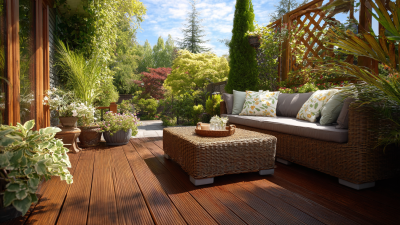
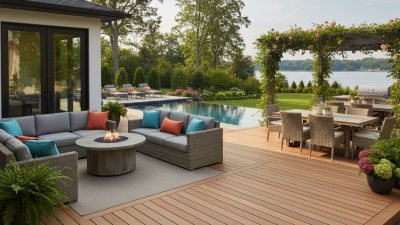
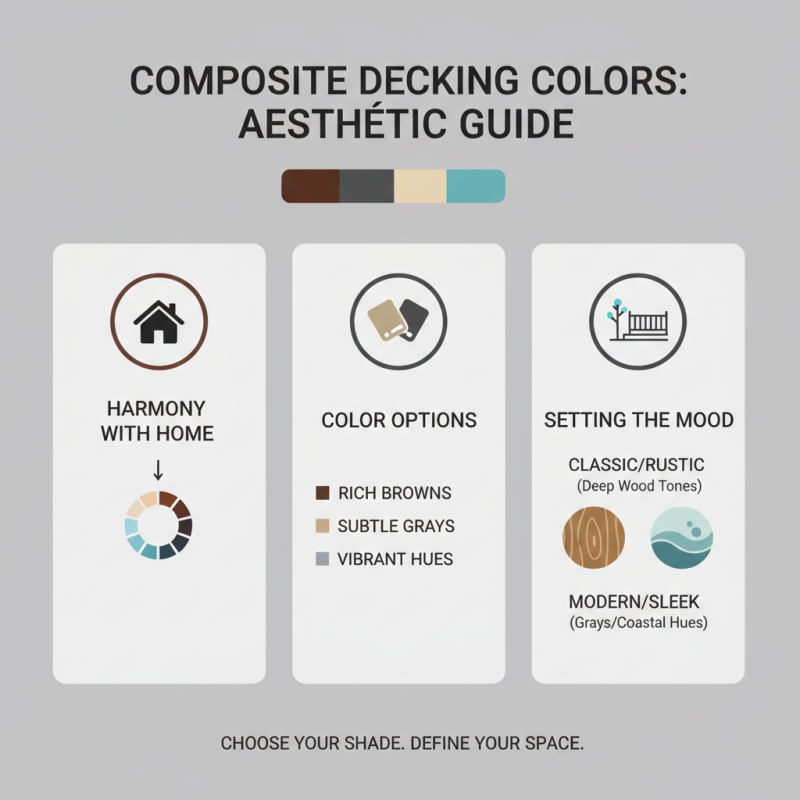
When choosing composite decking, aesthetic considerations play a vital role. Color is often the first factor to think about. Composite decking comes in various shades. You can find rich browns, subtle grays, or even vibrant hues. Think about your home's exterior. A consistent color palette creates harmony. Are you looking for a classic, rustic feel? A deep wood-inspired tint might work well.
Texture is another important factor. Some composite materials mimic the feel of real wood. Others have a smoother finish. It can be a fun process to choose what feels right underfoot. Walking barefoot on your deck on a hot day can be pleasant with the right texture. Also, consider the grain patterns. They can enhance the beauty of your outdoor space.
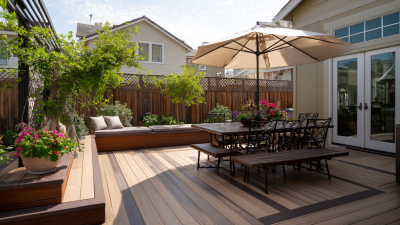
Design options vary widely. You might want a simple board layout or something more intricate. Patterns can add interest but can also complicate installation. It’s crucial to balance aesthetics with practicality. Consider how much time you're willing to spend on upkeep. A beautiful deck requires care, and some designs may be harder to maintain than others. Reflecting on these choices ensures that your new decking complements your lifestyle and home.
Cost Analysis: Budgeting for Composite Decking Installation and Upkeep
When considering composite decking, understanding costs is essential. The initial investment can range from $30 to $60 per square foot. This price often includes materials, labor, and installation. A study shows that while composite materials are more expensive upfront, they offer long-term savings. Replacing traditional wood may lead to higher maintenance costs.
Maintenance is crucial for longevity. Composite decking requires less upkeep than wood, but costs still arise. Cleaning and occasional repairs may cost homeowners around $2 to $5 per square foot annually. This means annual maintenance could range from $100 to $500 for an average-sized deck. In contrast, wood decking often requires staining or sealing every few years, adding extra costs.
Durability is another factor. Composite decks can last 25 years or more with proper care. Wood typically needs replacement after 10 to 15 years, which can significantly increase overall expenses. Considering these factors, budgeting adequately can seem daunting. Homeowners must reflect on their preferences, usage, and willingness to invest for long-term benefits.
Cost Analysis of Composite Decking Installation and Upkeep