Best Wood Slat Wall Panel Options for Global Buyers?
The demand for Wood Slat Wall Panels is surging globally. This trend is evident in the rise of interior design preferences for natural materials. According to a report by the Interior Design Association, the market for wooden interior panels is expected to grow by over 15% in the next five years. These panels offer versatility and aesthetic appeal, making spaces feel warmer and more inviting.
Expert designer Jane Holloway states, “Wood Slat Wall Panels add an organic touch to modern interiors while offering practical benefits.” Her insights reflect a growing understanding of how these panels can transform spaces in both residential and commercial settings. However, potential buyers should consider the sourcing of materials. Not all wood is environmentally sustainable.
Choosing the right Wood Slat Wall Panel involves balancing style and responsibility. Some products may lack durability or finish quality, leading to dissatisfaction over time. As consumers become more educated, they must reflect on their choices to ensure they align with both aesthetic desires and ethical considerations.
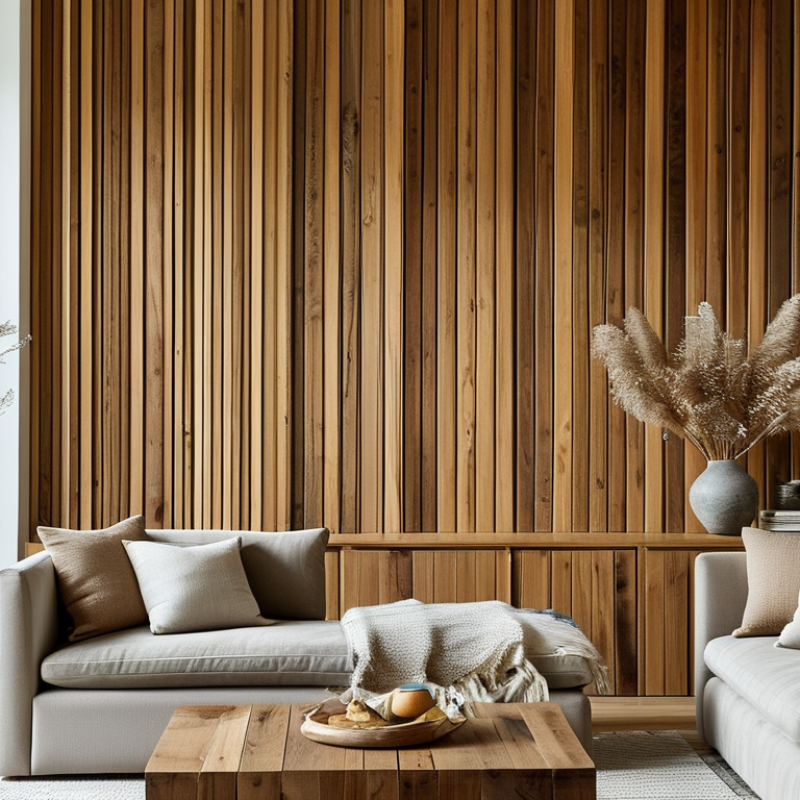
Top Features to Consider When Choosing Wood Slat Wall Panels
When selecting wood slat wall panels, consider several key features. First, the type of wood used can greatly affect both aesthetics and durability.
Hardwoods like oak or maple typically offer more resilience. Yet, softer woods like pine can be more cost-effective but may wear down faster. Always assess your environment.
Another important aspect is the slat width and spacing. Wider slats can create a bolder look but might not suit all spaces. Experimenting with different patterns can enhance visual interest. Ensure the panels are sustainably sourced, as this practice supports environmental responsibility.
Tips: Always check for finishes that are eco-friendly and low in VOC. If possible, request samples to see how they complement your existing decor. Don't overlook installation details; professional guidance might save time and ensure proper fitting. The choice may seem simple, but aesthetic preferences can lead to unexpected regret later.
Popular Types of Wood Used in Slat Wall Panels for Various Styles
When selecting wood slat wall panels, the type of wood significantly impacts the overall aesthetic and durability.
Pine is a popular choice due to its lightweight nature and affordability. It works well for rustic or casual designs. However, pine can be prone to dents and scratches, requiring careful handling.
On the other hand, hardwoods like oak and maple offer greater strength and a polished finish.
Oak, with its prominent grain, provides a timeless elegance suitable for both classic and modern styles.
Maple is known for its smooth texture and uniform color, making it ideal for sleek, contemporary spaces. Yet, hardwoods tend to be more expensive, which might stretch some budgets.
Bamboo is also emerging as a sustainable option. It's both eco-friendly and strong, suitable for various settings. However, not all bamboo treatments are equal, so quality varies.
Before making a decision, consider not just style, but how the wood will hold up over time. Each choice has its strengths and weaknesses, leading to unique outcomes in design.
Sustainable Sourcing of Wood for Environmentally Friendly Panels
The shift towards sustainable sourcing of wood is critical for producing environmentally friendly panels. According to a recent report by the Forest Stewardship Council, around 80% of global deforestation relates to timber extraction. Sustainable practices are vital in addressing this issue.
Using recycled or reclaimed wood can significantly reduce environmental impact. Studies suggest that reclaimed wood can lower carbon emissions by up to 80%. This makes it an attractive option for eco-conscious consumers. However, sourcing such materials can be tricky. Not all reclaimed wood meets industry standards or regulations. It is essential to verify the origin and treatment of the wood before purchase.
Transparency in sourcing remains a challenge. Buyers often struggle to trace the supply chain. Research indicates that only 30% of consumers are aware of the sustainability of the wood they use. This highlights the need for better communication from suppliers. It’s crucial for buyers to demand certifications and proof of sustainable practices. Without this, the risk of contributing to deforestation persists. While the market moves toward sustainability, proactive measures are necessary for genuine environmental benefits.
Best Wood Slat Wall Panel Options for Global Buyers
This chart illustrates the sustainability scores of different wood types used for slat wall panels. It helps global buyers in making informed choices about environmentally friendly materials.
Installation Methods and Tips for Wood Slat Wall Panels
Installing wood slat wall panels can transform a space, bringing warmth and texture. The installation process can vary, but a few essential methods remain consistent. Start by preparing the wall surface. Ensure it is clean and flat. Use a level to mark where the panels will go. This step is crucial for a professional look.
Choose your fastening method carefully. You may opt for adhesive, nails, or screws. Adhesive can be cleaner but may not support heavier panels. Nails provide good support but require proper hammer skills. If you choose screws, pre-drilling can prevent splitting. Remember that the installation tools you use are as important as the slat panels themselves.
After installation, consider finishing touches. Sand any rough edges and apply a sealant if desired. This ensures durability and enhances the wood's natural beauty. Reflect on the process. It’s common to encounter misalignments or gaps. Addressing these imperfections early can save time later. While wood slats offer a charming aesthetic, they also require careful handling. Approach each step with a mindset of patience and precision.
Best Wood Slat Wall Panel Options for Global Buyers
| Material |
Thickness |
Width |
Color Options |
Installation Method |
Price Range (per sq ft) |
| Pine |
0.75 in |
5 in |
Natural, Stained |
Nailed, Glued |
$3 - $5 |
| Bamboo |
0.5 in |
3 in |
Natural, Carbonized |
Glued, Click Lock |
$4 - $6 |
| Oak |
1 in |
4 in |
Natural, Whitewashed |
Nailed, Screwed |
$5 - $7 |
| Maple |
0.75 in |
6 in |
Natural, Light Stained |
Glued, Floating |
$6 - $8 |
| MDF |
0.5 in |
4 in |
Primed, Painted |
Nailed, Screwed |
$2 - $4 |
Maintenance Practices to Extend the Lifespan of Wood Slat Walls
Wood slat walls offer a stylish and natural aesthetic for various spaces. To ensure longevity, regular maintenance is critical. Research indicates that untreated wood can lose its luster and structural integrity over time, especially in fluctuating climates. Homeowners should consider applying a high-quality wood sealer every couple of years. This can greatly enhance durability and resistance to moisture, which is pivotal for maintaining these installations.
The importance of temperature and humidity control cannot be ignored. Wood, as a natural material, expands and contracts with environmental changes. According to industry reports, maintaining indoor humidity between 40-60% can help prevent warping and cracking. Moreover, periodic cleaning is essential. A simple dusting with a soft cloth can suffice. However, deeper cleaning may require specialized products that won't damage the finish. Neglecting these practices may lead to costly repairs or replacements down the line.
In addition, the choice of wood species plays a pivotal role in maintenance. Hardwoods tend to withstand wear better than softer options. Yet, they may require more intensive upkeep. Pine, for instance, is aesthetically pleasing but needs additional treatments to maintain its appearance. Understanding these aspects allows homeowners to make informed choices, contributing to the overall health of wood slat installations. Each decision impacts the longevity of these beautiful wall panels.