Best Wall Cladding Types for Your Home Design Needs?
Wall cladding plays a crucial role in home design. A recent report by the Global Wall Cladding Market highlights growth potential, estimated to reach $350 billion by 2026. As homeowners seek aesthetic appeal and durability, choosing the right materials is essential.
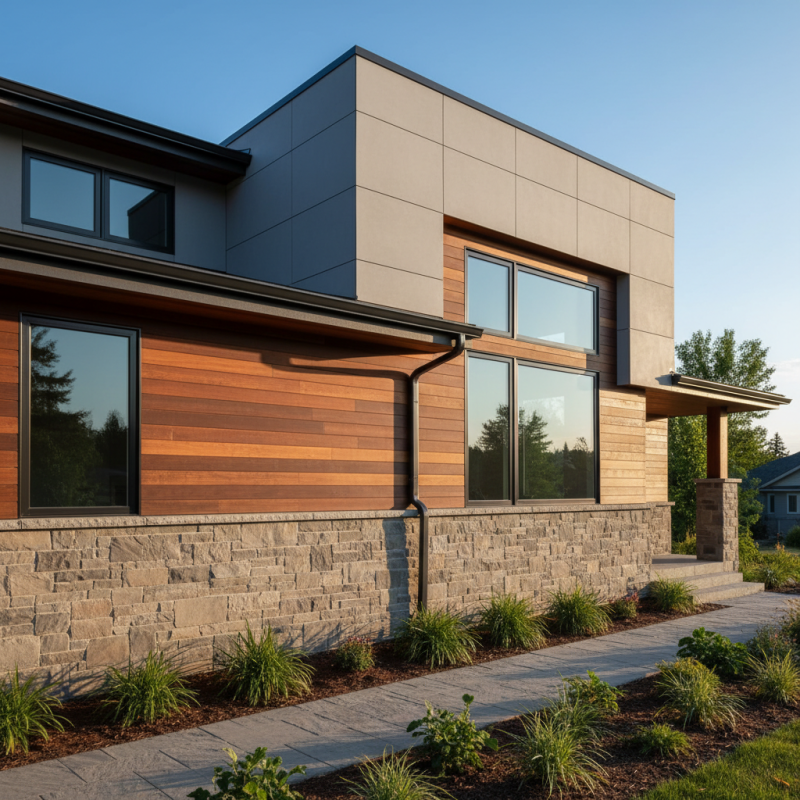
Various wall cladding types exist, each with its unique benefits. Natural stone, wood, and fiber cement are popular choices. However, the decision is not always straightforward. Each material poses specific challenges, including maintenance and cost issues. Understanding these nuances can help homeowners avoid costly mistakes.
Investing in wall cladding can enhance your home’s value. Studies show that properties with quality cladding can increase in resale value by up to 15%. Homeowners must weigh aesthetic desires against practical needs. The right wall cladding not only beautifies but can also improve energy efficiency.
Types of Wall Cladding: An Overview for Homeowners
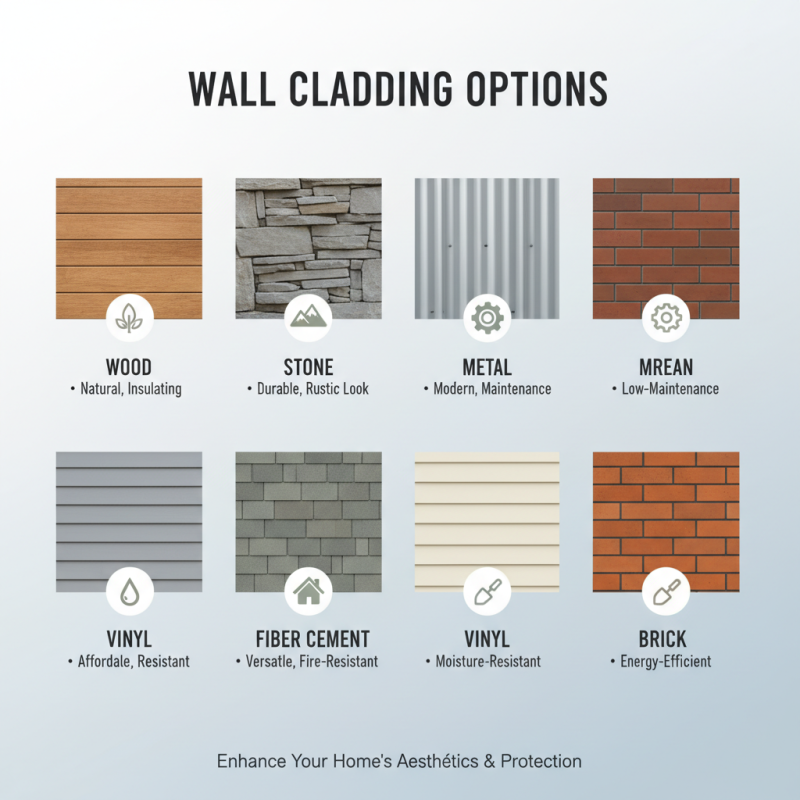
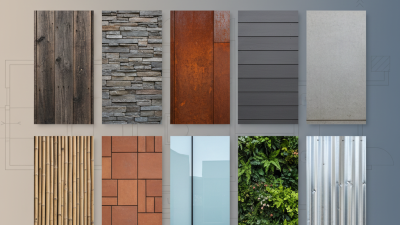
When it comes to wall cladding, homeowners have many options. Each type offers unique aesthetics and practical benefits. From wood to stone, the choices can impact your home’s look and feel.
Wood cladding is warm and inviting. It adds a rustic charm to any space. However, it requires regular maintenance. Consider the weather conditions in your area. It might not be ideal for high-moisture environments.
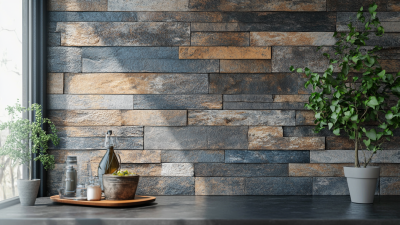
On the other hand, stone cladding is durable and eye-catching. It brings an elegant touch to both modern and traditional homes. Yet, it can be costly and heavy. Ensure your home’s structure can support it.
Tip: Always seek advice from a professional before making your choice. A well-informed decision will save you time and money.
In contrast, vinyl cladding is easy to install and comes in various styles. It mimics other materials without the high price tag. But it may not offer the same longevity as stone or wood. Be realistic about your home's needs.
Tip: Visualize different materials in your space. Use samples to see how they fit with your décor. This can help avoid costly mistakes.
Benefits of Different Wall Cladding Materials in Home Design
When choosing wall cladding for your home, the material can greatly impact both aesthetics and functionality. Wood cladding offers a warm and inviting look. It provides natural insulation and is eco-friendly. According to a recent report, wood can reduce energy costs by up to 15%. However, it requires regular maintenance. Homeowners must be prepared for this.
On the other hand, metal cladding is renowned for its durability and modern appeal. Its resistance to harsh weather can be a significant advantage. A study highlights that aluminum cladding can last over 50 years with minimal maintenance. Though it has a high upfront cost, potential savings on repairs may justify the expense. Yet, the reflective nature can lead to issues with glare and heat.
Vinyl cladding is affordable and easy to install. It also comes in various colors, adding versatility to design. However, the lifespan of vinyl is significantly shorter than other materials. Many homeowners find the fading colors unattractive after a few years. Selecting the right cladding requires balancing aesthetics with longevity and cost. Each choice has its trade-offs, and recognizing them is crucial for a rewarding home design.
Best Wall Cladding Types for Your Home Design Needs
| Wall Cladding Type |
Material |
Benefits |
Maintenance Level |
Cost |
| Wood Cladding |
Natural Wood |
Aesthetic appeal, insulation |
High |
$$$ |
| Vinyl Cladding |
PVC |
Durable, low maintenance |
Low |
$ |
| Brick Cladding |
Clay or Concrete |
Fire-resistant, long-lasting |
Medium |
$$$ |
| Stone Cladding |
Natural or Manufactured Stone |
Unique appearance, durable |
High |
$$$$ |
| Fiber Cement Cladding |
Cement, Sand, and Cellulose |
Weather-resistant, low maintenance |
Low |
$$ |
Factors to Consider When Choosing Wall Cladding for Your Home
When selecting wall cladding for your home, several factors come into play. The materials you choose should align with your aesthetic goals and functional requirements. According to a report from the National Building Material Association, the popularity of natural stone cladding has surged by 25% over the last five years. This rise shows a shift toward sustainable, eco-friendly choices. However, natural stone can be heavy and may require additional structural support.
Ventilation is another vital consideration. Proper airflow can prevent moisture buildup, which leads to mold and other problems. Some materials, like wood, require regular maintenance. The 2022 Architecture Trends report indicates that untreated wooden cladding has a lifespan of only 15 years, making it a costly option over time. Many homeowners overlook this detail. Selecting materials with a longer life can save you money and hassle later.
Aesthetics can also play tricks on the mind. Different textures and colors can significantly impact how a space feels. For instance, dark cladding materials can make a room feel smaller. Conversely, lighter tones encourage a feeling of openness. It’s important to visualize how these choices affect your overall design. Balancing beauty and practicality is not an easy task. Make sure your choice reflects both your style and the needs of your home.
Popular Wall Cladding Styles and Their Aesthetic Appeal
Wall cladding plays a significant role in enhancing a home's aesthetic appeal. Among the most popular styles are wood, stone, and vinyl. Each material offers a unique charm. Wood cladding exudes warmth and craftsmanship, often chosen for rustic homes. However, wood requires maintenance and can be susceptible to weather damage.
Stone cladding, on the other hand, brings a sophisticated and timeless look. It is durable and can resist harsh weather conditions. A report from the National Association of Home Builders states that stone is preferred by 25% of homeowners wanting durability. Yet, the cost can be a barrier for some.
Vinyl cladding provides versatility and affordability. Available in various colors and textures, it appeals to budget-conscious homeowners. However, its aesthetic may not satisfy those seeking high-end finishes. In fact, studies show that 45% of home buyers prioritize appearance, indicating that a balance between cost and style is crucial. Each cladding type presents its strengths and weaknesses, emphasizing the need for thoughtful design choices in home renovation projects.
Best Wall Cladding Types for Your Home Design Needs
Maintenance Tips for Various Wall Cladding Types in Residential Spaces
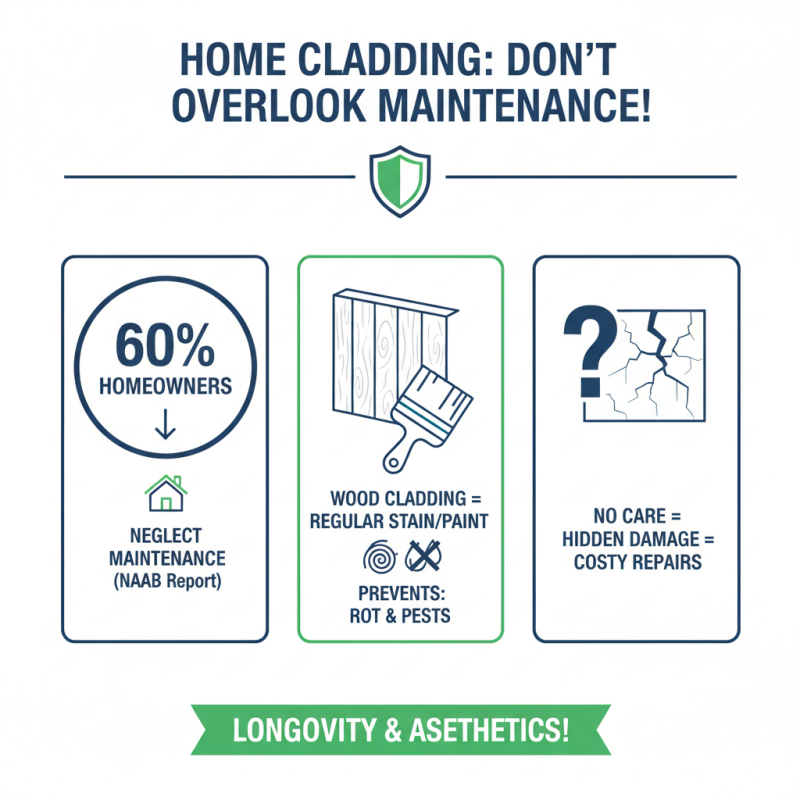
When choosing wall cladding for your home, maintenance is key to ensuring longevity and aesthetics. A recent report by the National Association of Home Builders indicates that 60% of homeowners overlook this vital aspect. For instance, wood cladding requires regular staining or painting every few years to prevent rot and insect damage. Without proper care, hidden issues can arise, leading to costly repairs.
Vinyl cladding is popular due to its low maintenance needs. However, it still requires cleaning. A simple wash with soapy water once a year can prevent dirt buildup. Many homeowners forget this step, which can dull the color over time. An astonishing 30% of vinyl-clad homes face premature fading due to neglect.
Natural stone offers durability but is not maintenance-free. Sealing is necessary every year to prevent moisture damage. Failure to do so can lead to staining and mildew growth. Interestingly, only 45% of stone-clad homes adhere to this maintenance advice. This can detract from the beauty and structural integrity of the property. Keeping up with these maintenance tasks is crucial for preserving your home’s value.