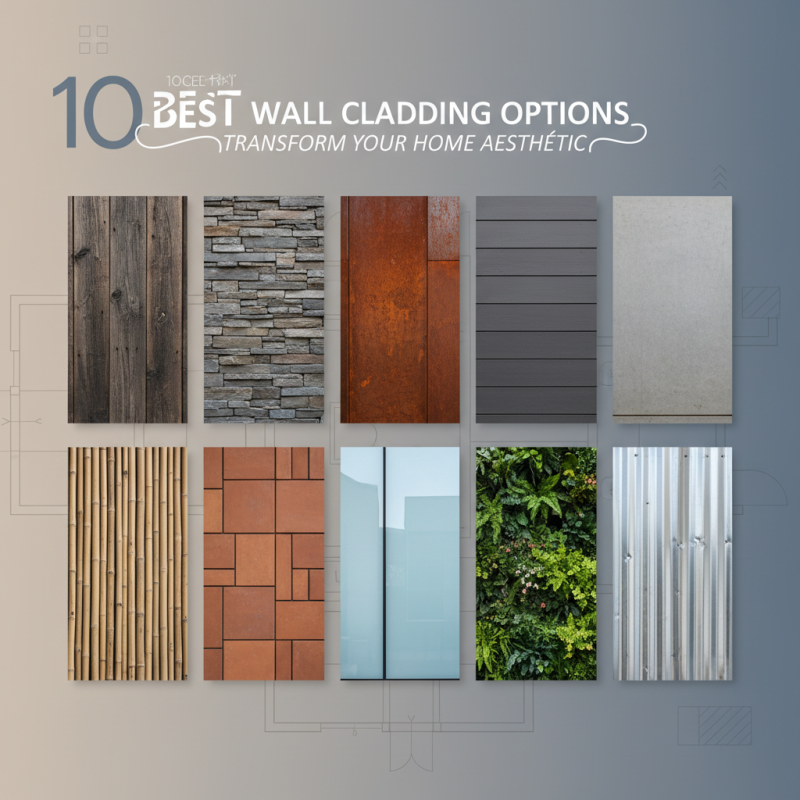
10 Best Wall Cladding Options to Transform Your Home Aesthetic
When it comes to enhancing the aesthetic appeal of our homes, few elements are as transformative as wall cladding. This design technique not only adds depth and texture to interior and exterior spaces but also serves practical purposes such as insulation and protection. According to renowned architect and wall cladding expert, James Anderson, "Wall cladding is more than just a cosmetic upgrade; it’s a creative expression that can redefine how we experience our living environments."
In this guide, we will explore the ten best wall cladding options available today, each offering unique characteristics and styles that cater to various tastes and preferences. From natural materials like wood and stone to innovative synthetic alternatives, wall cladding provides an endless array of possibilities to enhance your home's architecture and style. As we delve into these options, you'll discover how the right cladding can evoke warmth, sophistication, or even modern chic—allowing you to create the perfect backdrop for your personal expression.
Top 10 Wall Cladding Materials for Enhancing Home Aesthetics
Wall cladding is an essential aspect of home design, serving both functional and aesthetic purposes. The right choice of wall cladding materials can significantly enhance the visual appeal of any space. According to a report by Grand View Research, the global cladding market size was valued at approximately $217.6 billion in 2020, with predictions for consistent growth driven by increasing demand for exterior wall aesthetics and energy efficiency in residential construction. This means investing in the right materials can not only elevate your home’s appearance but also offer long-term savings on energy costs.
Among the top materials for wall cladding, wood, vinyl, and stone are often highlighted for their durability and aesthetic versatility. A study by Statista indicates that the wooden cladding market is expected to grow, accounting for a significant share due to its natural appearance and insulation properties. Meanwhile, vinyl, known for its low maintenance and extensive color options, has become increasingly popular in modern residential designs. Furthermore, stone cladding is admired for its timeless elegance and durability, appealing to homeowners aiming for a luxury finish. These findings underscore the increasing significance of selecting the right wall cladding materials to not only transform but elevate the overall aesthetic of living spaces.
10 Best Wall Cladding Options to Transform Your Home Aesthetic
| Material |
Aesthetic Appeal |
Durability |
Maintenance |
Cost Range |
| Wood |
Warm and natural |
Moderate |
Requires regular sealing |
$15 - $50 per sq. ft. |
| Vinyl |
Versatile design options |
High |
Low, easy to clean |
$5 - $20 per sq. ft. |
| Stone |
Timeless elegance |
Very high |
Minimal; need periodic cleaning |
$25 - $100 per sq. ft. |
| Brick |
Classic and robust |
Very high |
Low |
$20 - $50 per sq. ft. |
| Metal |
Sleek, modern look |
High |
Very low; resistant to elements |
$10 - $30 per sq. ft. |
| Fiber Cement |
Mimics wood or stucco |
High |
Requires painting every few years |
$7 - $15 per sq. ft. |
| Stucco |
Textured and modern |
Moderate |
May need repainting |
$6 - $12 per sq. ft. |
| Glass |
Contemporary and bright |
Moderate to high |
Easy to maintain |
$25 - $75 per sq. ft. |
| Plaster |
Smooth and seamless |
Moderate |
Low; occasional cleaning |
$5 - $15 per sq. ft. |
Comparative Analysis of Wood vs. Stone Cladding Durability and Maintenance
When considering wall cladding options for transforming your home aesthetic, it's crucial to evaluate the durability and maintenance requirements of different materials, particularly wood and stone. According to the National Association of Home Builders, wood cladding can last up to 30 years with proper care, while stone cladding typically boasts longevity of over 50 years. This stark difference highlights a key advantage for stone, especially for homeowners seeking a long-term investment that demands less frequent replacement.
In terms of maintenance, wood cladding requires regular upkeep such as staining or painting every 3-7 years to protect against moisture, pests, and UV damage. According to the American Wood Council, untreated wood is susceptible to decay within 10 years if exposed to the elements. Stone, conversely, tends to need less frequent maintenance; periodic cleaning and sealing every 5-10 years will generally suffice. A study by the Building Research Establishment indicates that while initial costs for stone cladding may be higher, the reduced maintenance costs can lead to overall savings in the long run, making stone an appealing option for many homeowners.
Eco-Friendly Wall Cladding Options: Sustainability in Home Design
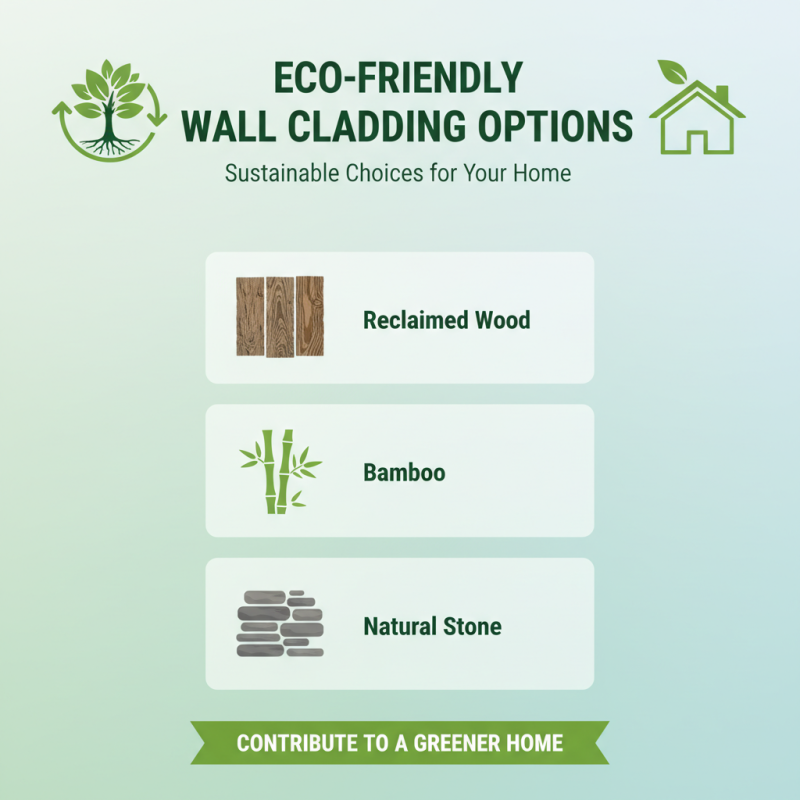
When it comes to selecting wall cladding options for your home, eco-friendliness is a significant aspect to consider. Sustainable wall cladding not only enhances the aesthetic appeal of your living space but also contributes positively to the environment. Materials such as reclaimed wood, bamboo, and natural stone are excellent choices that bring a rustic charm and durability while minimizing ecological impact. By opting for these materials, you can create a unique and inviting atmosphere in your home while supporting sustainable practices in construction.
Tips for choosing eco-friendly wall cladding: First, prioritize materials sourced from sustainable forests or those that are recycled or reclaimed. This helps reduce the demand for new raw materials. Second, consider using finishes and adhesives that are low in volatile organic compounds (VOCs), which can improve indoor air quality. Lastly, explore local options to minimize transportation emissions, supporting your community while staying environmentally conscious.
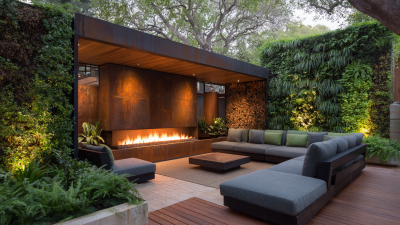
Incorporating plants into your wall design further enhances the sustainability factor. Living walls or vertical gardens not only add visual interest but also improve air quality and provide insulation. This innovative approach allows homeowners to merge nature with modern design seamlessly, creating a refreshing environment that benefits both inhabitants and the planet.
Cost-Effectiveness of Various Wall Cladding Solutions: A Financial Perspective
When considering wall cladding options for your home, cost-effectiveness plays a crucial role in decision-making. Different materials have varying price points, installation costs, and long-term maintenance expenses. For example, natural wood cladding offers aesthetic warmth but can require regular upkeep that adds to its lifetime costs. In contrast, vinyl options can be more affordable upfront and require minimal maintenance, but their durability might not match that of higher-end materials.
Moreover, understanding the return on investment (ROI) is essential when evaluating cladding choices. Some materials, like fiber cement, blend durability with reasonable pricing, making them a smart financial choice for homeowners looking to enhance their property's value.
Additionally, eco-friendly options, which may have a slightly higher initial cost, can lead to savings in energy bills over time, thereby offsetting their upfront expense. Ultimately, a thoughtful approach to selecting wall cladding based on financial practicality can dramatically transform your home's aesthetic without compromising your budget.
Trends in Wall Cladding: Influencing Aesthetic Choices in Modern Homes
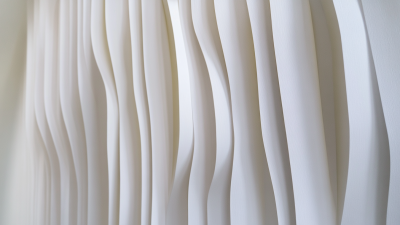
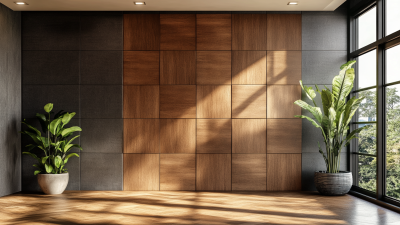
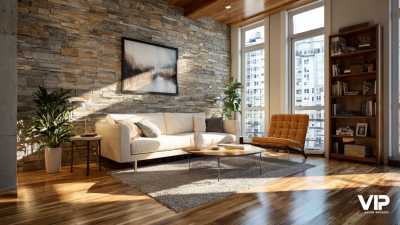
In the realm of interior design, wall cladding has emerged as a transformative element that significantly influences aesthetic choices in modern homes. The materials and textures available today cater to a diverse range of personal styles, from rustic charm to sleek modernism. Designers are increasingly leaning towards natural materials such as wood and stone, which add warmth and depth, creating a cozy atmosphere. Meanwhile, innovative options like engineered panels and 3D textures invite bold experimentation, allowing homeowners to express their individuality with captivating visual effects.
Furthermore, the rise of sustainability has shaped the wall cladding trend, prompting a shift towards eco-friendly materials that not only elevate the aesthetic appeal but also contribute to environmental conservation. Recycled materials and sustainably sourced options are gaining popularity, as eco-conscious homeowners seek to create beautiful spaces while minimizing their ecological footprint. Additionally, the integration of technology in wall cladding—such as smart materials that adjust to environmental changes—provides an opportunity to enhance functionality seamlessly within the aesthetic framework. This synergy between aesthetics and innovation is redefining the modern home, making wall cladding an essential element for those looking to create spaces that are both beautiful and sustainable.
Wall Cladding Options and Their Popularity in Modern Homes