What is the Best Plastic Sheets for Your Next Project?
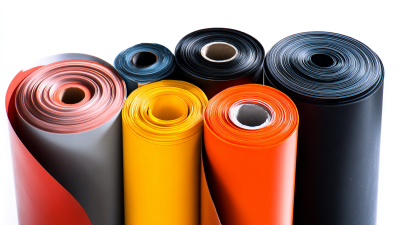
When embarking on your next project, selecting the right materials is crucial. Plastic sheets are a popular choice due to their versatility and durability. These sheets come in various types, each catering to different needs. Understanding which plastic sheets suit your project can save time and resources.
Not all plastic sheets are created equal. Some are rigid, while others are flexible. The type you choose can impact the overall quality and outcome of your work. For example, acrylic sheets offer excellent clarity and UV resistance, while polycarbonate sheets are known for their strength.
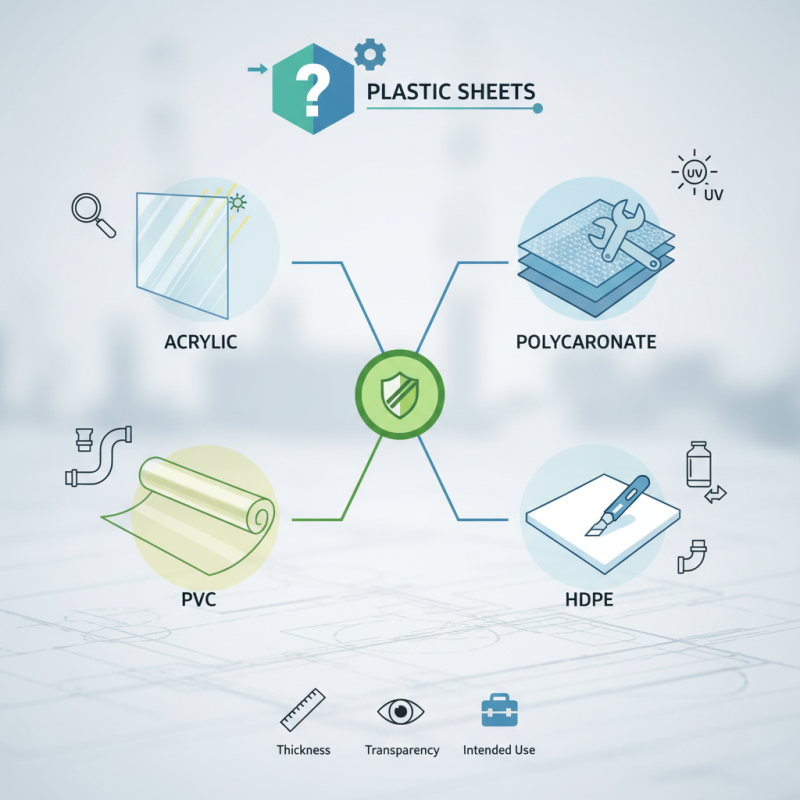
Navigating through the options may seem daunting. It's essential to reflect on your specific requirements. Consider factors like thickness, transparency, and intended use. Making informed decisions can lead to successful project outcomes. In a world of choices, knowing what to look for is half the battle. Whether you are crafting, building, or repairing, the right plastic sheets will enhance your results.
Types of Plastic Sheets Suitable for Various Projects
When selecting the best plastic sheets for your project, the type matters. Different projects require unique plastic properties. Acrylic sheets, for example, provide excellent clarity and are lightweight. They are perfect for displays or protective barriers. Their ability to resist UV rays makes them suitable for outdoor applications.
Polycarbonate is another choice. It offers superior impact resistance. You often see it in safety equipment and glazing applications. While it's slightly heavier, its durability justifies its use. However, it can scratch easily, so consider additional protective measures.
For temporary partitions and lightweight applications, PVC sheets are effective. They are cost-efficient and quite versatile. On the downside, they may not withstand heavy loads. Make sure to weigh your project's needs. Understanding the pros and cons of each plastic type can lead to better decision-making. Many users overlook these factors, resulting in suboptimal choices.
Plastic Sheets Usage by Type for Various Projects
Key Properties to Consider When Choosing Plastic Sheets
Choosing the right plastic sheets for your project requires careful consideration of key properties. One of the most important factors is the material type. Polycarbonate, acrylic, and PVC each offer unique benefits and limitations. For example, polycarbonate provides superior impact resistance but can be costlier than other options. Acrylic is lighter and clearer but may scratch more easily.
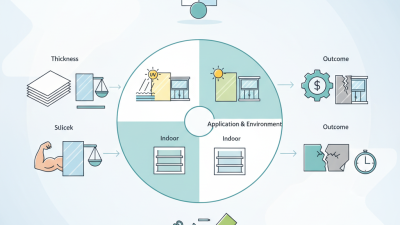
Next, think about thickness. Thicker sheets typically offer better durability and strength. However, they can also be heavier and more challenging to work with. Balancing thickness with your project's needs is essential. It’s important to reflect on the intended application. For outdoor installations, UV resistance matters to prevent yellowing over time.
Another critical aspect is flexibility. If your project requires bending or shaping, consider flexible materials. However, flexibility can compromise strength. It’s a trade-off you should understand. Also, don't overlook the importance of chemical resistance. Consider any substances the plastic may come into contact with during its use. Ensure that your selection can withstand the environment it will face. These considerations combine to help you make an informed decision tailored to your specific project's demands.
What is the Best Plastic Sheets for Your Next Project? - Key Properties to Consider When Choosing Plastic Sheets
| Material |
Thickness (mm) |
Transparency (%) |
UV Resistance |
Impact Resistance (kg/cm²) |
Temperature Range (°C) |
| Polycarbonate |
3 |
90 |
Yes |
90 |
-40 to 120 |
| Acrylic |
4 |
92 |
Yes |
50 |
-40 to 85 |
| PVC |
2 |
70 |
No |
30 |
-15 to 60 |
| PETG |
5 |
85 |
Yes |
60 |
-20 to 70 |
| HDPE |
3 |
0 |
Yes |
20 |
-40 to 60 |
Common Applications for Different Types of Plastic Sheets
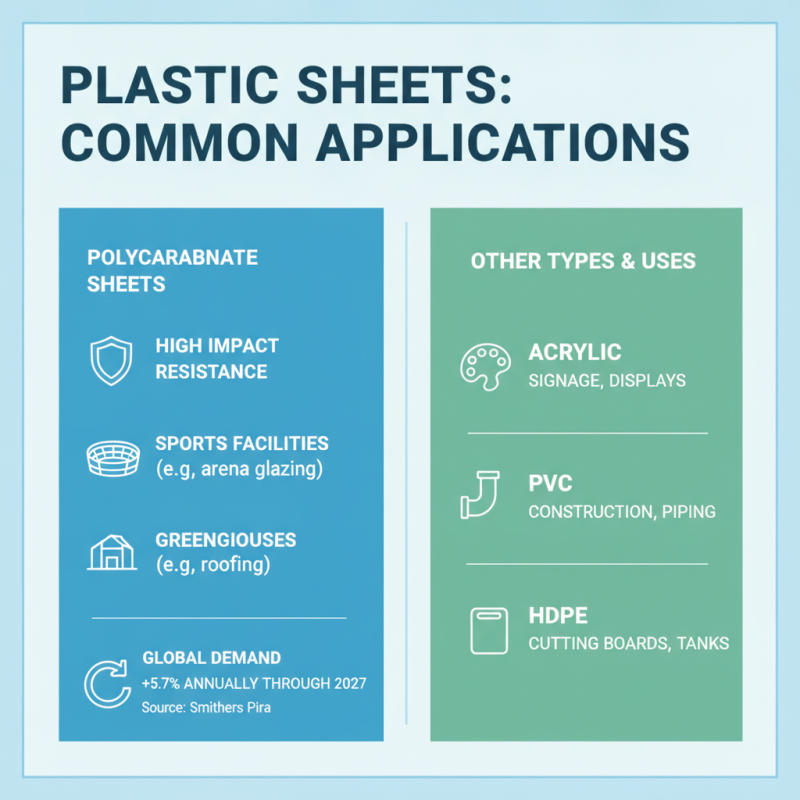
When considering plastic sheets for your next project, it’s essential to understand the various types available. Polycarbonate sheets are known for their high impact resistance, making them ideal for safety applications, such as in sports facilities and greenhouses. According to a market research report by Smithers Pira, the global demand for polycarbonate sheets is projected to grow at around 5.7% annually through 2027.
Acrylic sheets are another popular choice. They are clear, lightweight, and can be used in displays, signage, and even in furniture design. The versatility of acrylic comes from its ability to be shaped and colored. However, they can scratch easily, so care must be taken during installation and use.
For tips on selecting the right plastic sheet, consider the environment in which it will be used. Will it face UV exposure or harsh weather? If so, UV-resistant options may be necessary. Also, think about the thickness of the sheet. Thicker sheets provide greater durability, especially in outdoor applications. It's always wise to consult with material experts for guidance on suitable choices to avoid costly mistakes.
Comparative Analysis of Durability and Cost of Plastic Sheets
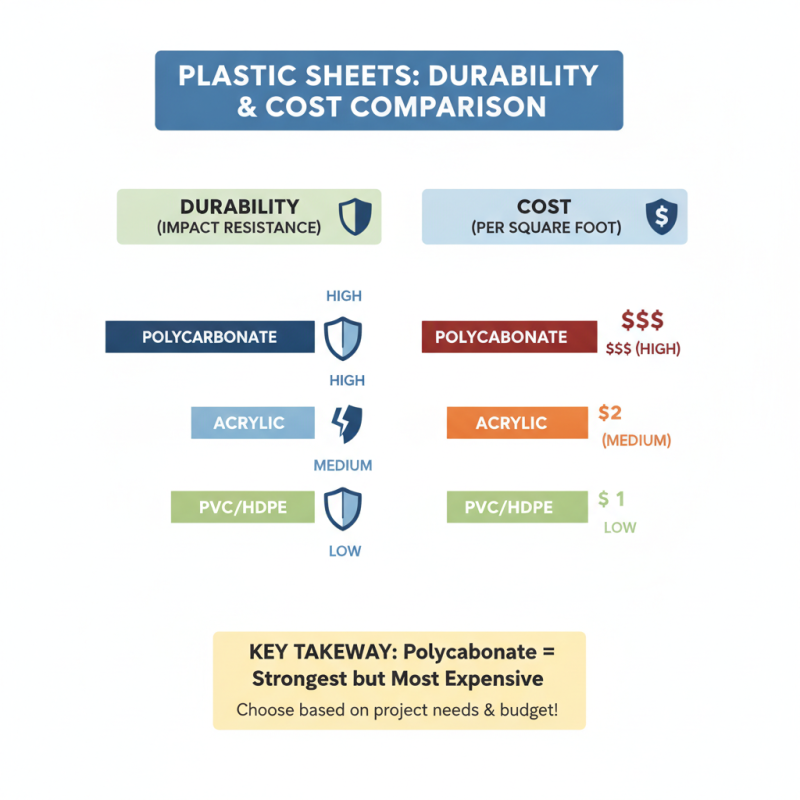
When selecting plastic sheets for your projects, durability and cost are crucial factors. Different types of plastic offer varying levels of strength and longevity. For instance, polycarbonate sheets are renowned for their high impact resistance. They can endure harsh weather and physical stress, making them ideal for outdoor uses. However, their cost is significantly higher compared to other types.
On the other hand, acrylic sheets are less expensive but can be more prone to scratches. They provide good clarity and are lightweight, suitable for many indoor applications. Understanding the balance between cost and durability is essential. There are trade-offs to consider. A cheaper option may require replacement sooner, increasing overall expenses. Investing in more expensive but durable materials could save money in the long run.
Evaluating the specific requirements of your project is necessary. Will it face tough conditions or be protected indoors? Each situation demands careful thought. Sometimes, the most affordable option isn’t the best in practice. Weighing the pros and cons is vital for making informed decisions that align with your needs.
Tips for Working with Plastic Sheets Effectively
When working with plastic sheets, understanding the material's properties is essential.
High-density polyethylene (HDPE) is known for its durability and resistance to chemicals.
Industry data shows that HDPE can withstand temperatures up to 120 degrees Celsius. However, it's crucial to account for the possibility of warping when exposed to prolonged heat.
Using the right tools can significantly impact your project. A good utility knife or acrylic scoring tool can make precise cuts.
A study revealed that inaccurate cutting methods can waste up to 15% of material.
Furthermore, ensuring your workspace is clean helps maintain focus and reduces the chance of accidents,
as environments with clutter can increase project time and complexity.
Joining plastic sheets can be tricky. When using adhesives, it's vital to carefully select the right type. Not all adhesives work well with every kind of plastic.
Some may weaken the bond over time, leading to failure in structural integrity. Experimenting with mock-ups can reveal potential issues before the final application,
and it allows you to refine your technique, ultimately enhancing your craftsmanship.