2026 Best Composite Decking Options for Global Buyers?
As we approach 2026, the demand for quality Composite Decking continues to surge among global buyers. This eco-friendly material offers numerous benefits, including durability, low maintenance, and aesthetic versatility. Homeowners and builders alike seek options that cater to their specific needs and preferences.
Choosing the right Composite Decking involves careful consideration. Various brands and products flood the market, making decision-making challenging. Many buyers prioritize sustainability and are drawn to materials that minimize environmental impact. However, some may overlook crucial aspects, such as longevity and warranty details.
This guide aims to highlight the best Composite Decking options available worldwide. It addresses common concerns while providing insights into current trends. The ultimate goal is to empower buyers with knowledge so they can make informed choices for their outdoor spaces. With this information, you can feel confident in selecting Composite Decking that suits your lifestyle and preferences.
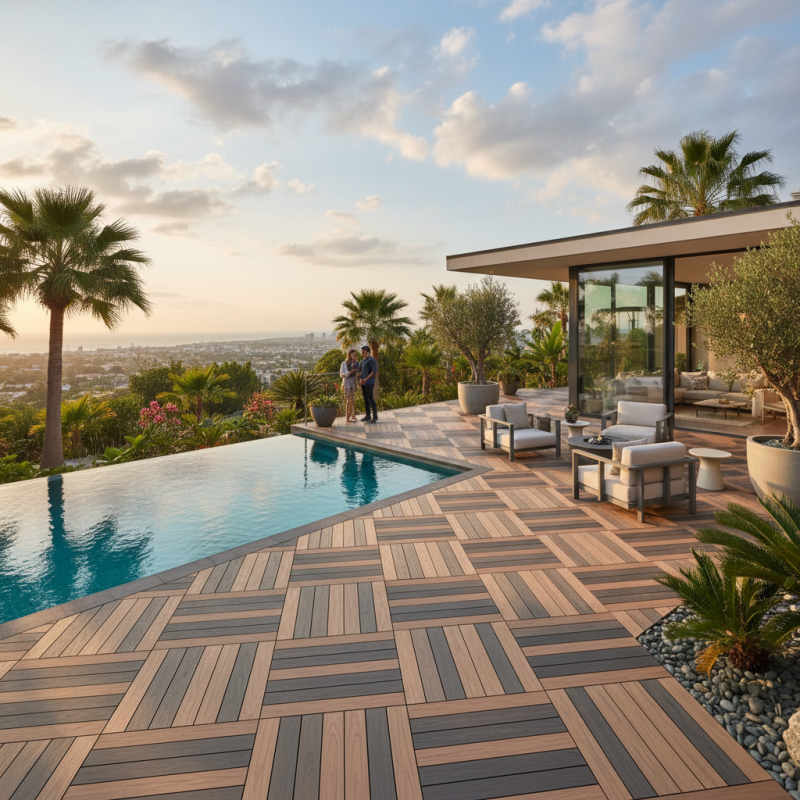
Overview of Composite Decking Materials Available in 2026
In 2026, composite decking continues to dominate the outdoor flooring market. Advances in materials have resulted in innovative options that cater to various consumer needs. According to recent industry reports, the global composite decking market is projected to grow by 8% annually through 2030. This is largely due to increasing demand for low-maintenance and environmentally friendly alternatives.
One popular material in composite decking is a blend of recycled wood fibers and plastic. This combination provides durability and weather resistance. Additionally, manufacturers are focusing on aesthetics by offering a variety of colors and textures. While many options promise longevity, it's essential to assess the wear and tear over time. Some users have reported fading or scratching depending on the product's quality.
Tips: When choosing composite decking, consider the environmental impact and warranty details. Look for products with at least 25 years of warranty. Always verify reviews from multiple sources to ensure you’re making an informed decision. Not all composite decks perform equally. Engage with local contractors for reliable recommendations and real-life experiences.
Remember, the best choice may vary based on your climate and usage. Take your time weighing options carefully. What works well in one region may not be as effective elsewhere. Aim for balance between aesthetics and functionality.
2026 Best Composite Decking Options for Global Buyers
Key Factors to Consider When Choosing Composite Decking
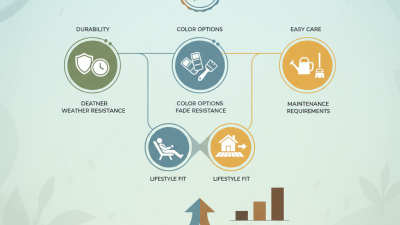
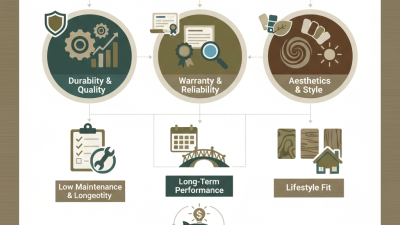
When selecting composite decking, several key factors warrant consideration. The first is durability. Quality composite materials resist fading, scratching, and moisture damage. Look for options that offer a long warranty period. This is a good indicator of product longevity and reliability.
Aesthetic appeal is another crucial element. Composite decking comes in various colors and textures. Choose a style that complements your outdoor space. Visual appeal matters, but it shouldn't be the only priority. It's important to balance beauty with functionality.
Lastly, think about the environmental impact. Some composites are made from recycled materials. This will suit eco-conscious buyers. However, verify the sustainability claims. Not all products are as green as they appear. Therefore, conducting thorough research on the materials' origins is advisable.
2026 Best Composite Decking Options for Global Buyers
| Composite Decking Type |
Durability Rating |
Maintenance Level |
Price Range (per sq ft) |
Warranty Period |
| Polyethene-Based Composite |
High |
Low |
$2.50 - $5.00 |
25 years |
| PVC Composite |
Very High |
Very Low |
$4.00 - $8.00 |
30 years |
| Wood-Fiber Composite |
Moderate |
Medium |
$3.00 - $6.00 |
20 years |
| Capped Composite |
Very High |
Low |
$5.00 - $10.00 |
25 years |
| Recycled Composite |
High |
Medium |
$3.50 - $7.00 |
20 years |
Top Brands Offering Composite Decking in Global Markets
When considering composite decking options, global buyers are presented with a range of choices. The composite decking market is projected to reach $6.26 billion by 2026, driven by rising demand for sustainable materials. Many consumers prefer composite over traditional wood due to durability and reduced maintenance. These decks resist insect infestation and rotting, making them ideal for diverse climates.
Leading brands in composite decking focus on environmentally friendly practices. Reports indicate that nearly 75% of composite decking materials are recycled products. This factor significantly enhances the appeal for eco-conscious buyers. However, consumers often face challenges in distinguishing high-quality products, as many options are available. Additionally, some less reliable manufacturers may compromise material integrity to cut costs.
Global markets reflect a growing preference for aesthetics. Many new products offer a wide variety of colors and textures, appealing to modern design trends. Yet, quality assurance is essential. Some products may fade or warp over time, prompting buyers to conduct thorough research. Seeking expert reviews and verified customer feedback can help navigate these complexities.
Comparative Analysis of Pricing for Composite Decking Options
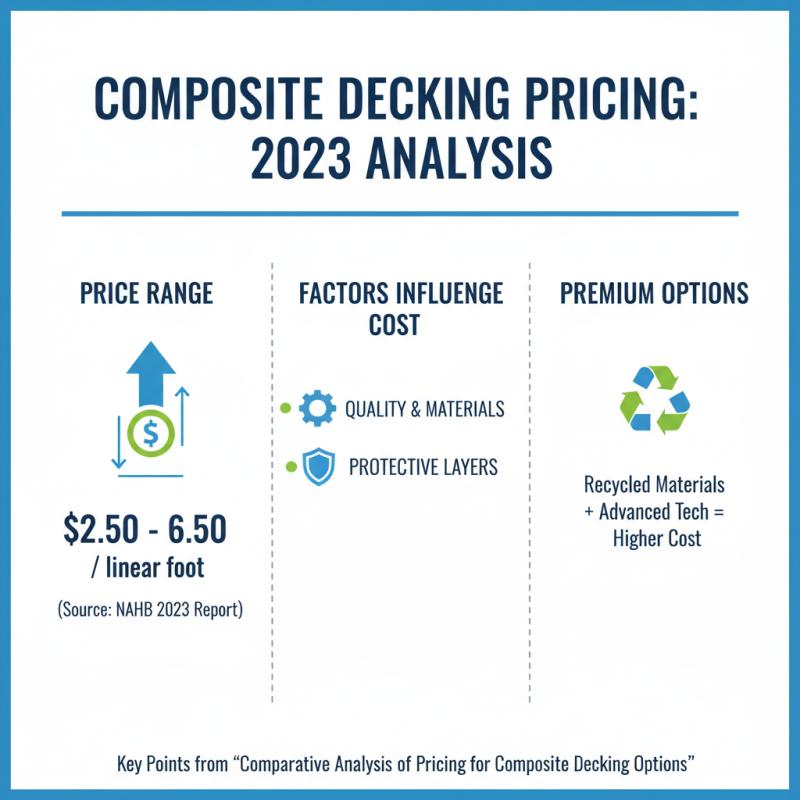
The pricing for composite decking options varies widely across the market. According to the 2023 National Association of Home Builders report, composite decking can range from $2.50 to $6.50 per linear foot. The quality and materials used significantly influence these price points. Premium options often incorporate recycled materials and advanced protective layers, increasing their cost.
Buyers must weigh the benefits of durability against the initial investment. Some cheaper options may show signs of wear within a few years, necessitating replacement or repairs. A study by the Remodeling 2023 Cost vs. Value Report suggests homeowners invest more initially for longevity. In contrast, lower-priced products may seem appealing but could lead to higher long-term expenses due to maintenance.
Color options and texture can also affect prices. High-end choices might offer rich, realistic wood-like finishes. Many consumers seek to balance aesthetics with budget constraints. The research indicates that nearly 45% of buyers prioritize looks, sometimes overlooking durability. Understanding these dynamics helps buyers make informed decisions.
Sustainability and Environmental Impact of Composite Decking Choices
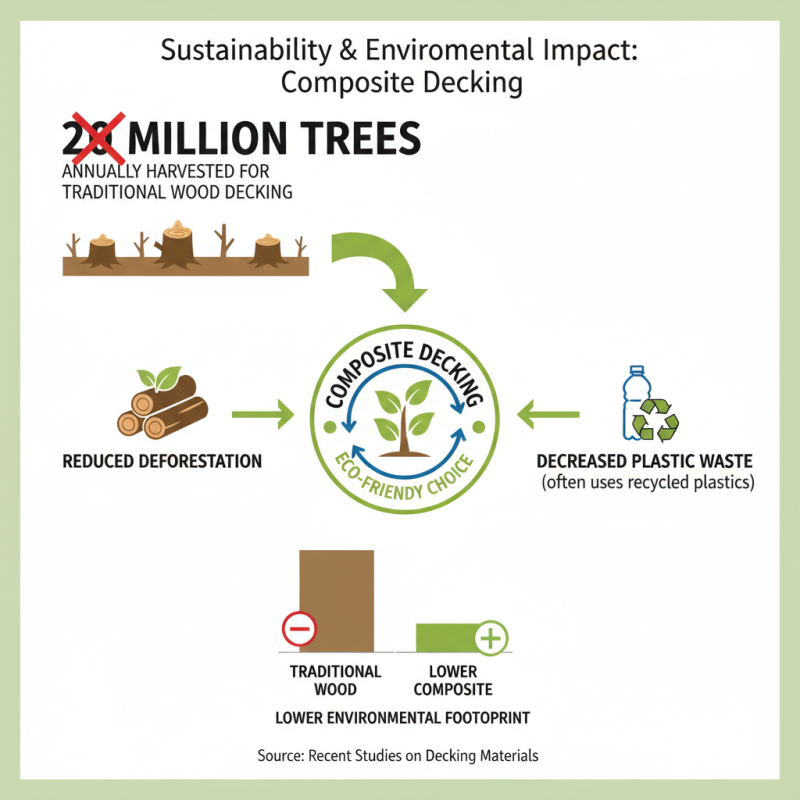
The environmental impact of composite decking is a growing concern among consumers. Recent studies show that about 20 million trees are harvested annually for traditional wood decking. In contrast, composite decking often utilizes recycled materials. This not only reduces deforestation but also decreases plastic waste, as many composites contain recycled plastics.
A life cycle analysis reports that composite decking can last up to 25 years with proper care. During its lifespan, it requires less maintenance and fewer resources compared to wood alternatives. However, some composites still generate plastic waste during production. Research indicates that nearly 40% of manufacturers are now committed to improving their sustainability practices. This shift reflects an industry trend toward eco-friendliness, yet it's crucial to scrutinize all claims of sustainability.
Interestingly, while composite materials offer durability, they often come with significant energy consumption during manufacturing. Approximately 30% of the energy used in their production can come from fossil fuels. This raises questions about true sustainability. Buyers need to weigh the benefits against potential environmental costs. Every choice counts, and informed decisions can foster more sustainable practices in the decking industry.