Best 3D Wall Panels for Stunning Interior Design Ideas?
Transforming your interior spaces can be a delightful experience. One effective way to achieve this is through 3D wall panels. These panels can elevate any room, adding depth and character. They come in a variety of materials and designs, making them versatile for different styles.
Consider how light interacts with these textures. A well-placed 3D wall panel can create stunning shadows and highlights. The visual interest they generate captures attention, often sparking conversation. However, the installation process can be tricky and may require professional help. It’s vital to choose the right panel for your specific needs and space.
While 3D wall panels can enhance aesthetics, it’s easy to overlook potential downsides. They might not suit every room, especially smaller spaces, as they can feel overwhelming. Additionally, maintenance can be an issue depending on the material. Reflect on your choices carefully and weigh the benefits against the challenges.
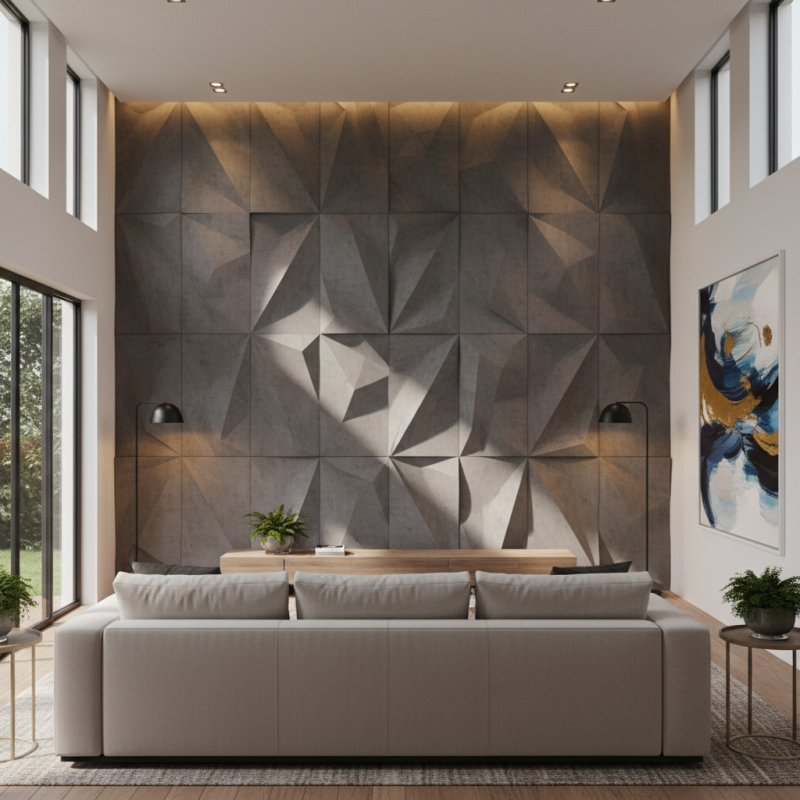
Types of 3D Wall Panels and Their Unique Features
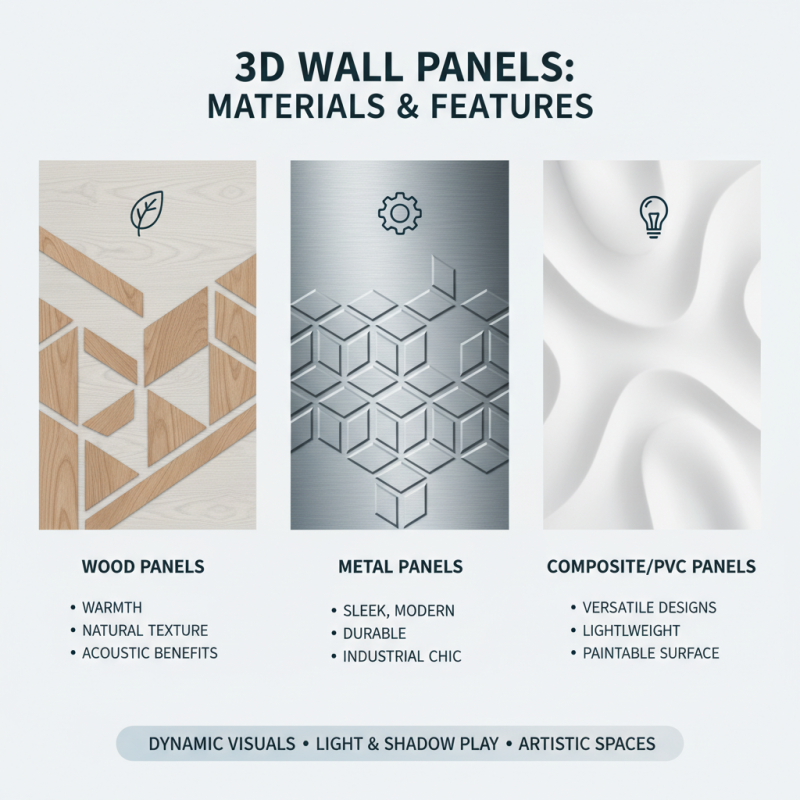
3D wall panels are transforming interior spaces into works of art. They come in various materials and designs, each offering unique visual appeal. For instance, wood panels add warmth and a natural feel, while metal options provide a sleek, modern touch. The interplay of light and shadows on these surfaces creates dynamic visuals, elevating any room's aesthetic.
Some panels are even designed to be eco-friendly, using sustainable materials. This trend reflects a growing awareness of environmental impact in design choices. However, the installation process can be challenging. It requires precision and expertise to achieve a seamless look. Mistakes can lead to unattractive gaps and uneven surfaces, prompting reflection on the importance of skilled workmanship.
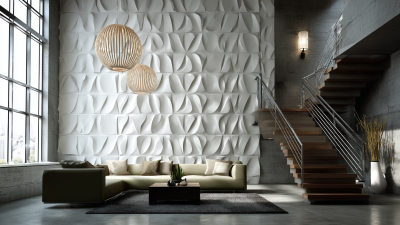
Textured panels often have various patterns, such as waves or geometric shapes. Choosing the right one can significantly influence the overall vibe of a room. Yet, there's no one-size-fits-all approach. Personal taste and room function matter deeply. Consider how textures will complement other elements in the space. This thoughtful selection process ensures that your walls tell a story, showcasing individual style and enhancing the room’s character.
Benefits of Using 3D Wall Panels in Interior Design
3D wall panels are revolutionizing interior design. These textured panels add depth and dimension to any room. They can transform a flat wall into an eye-catching focal point. The dramatic effect can enhance both residential and commercial spaces. Many designers prefer them for their versatility and aesthetic appeal.
Using 3D wall panels offers several benefits. They can hide imperfections on walls, giving a polished look. Additionally, they absorb sound, making rooms quieter. The variety of materials available allows for unique designs. Some panels are made from eco-friendly options, aligning with sustainable practices. However, installation can be challenging and may require professional help. Not all panels are equally durable, so research is essential.
While the benefits are clear, it's crucial to consider the overall design plan. 3D panels may overwhelm smaller rooms if not used wisely. Balancing the visual impact with other design elements is key. An overly busy wall might distract rather than enhance. Thoughtful placement and proper scale can create a harmonious environment.
Benefits of Using 3D Wall Panels in Interior Design
How to Choose the Right 3D Wall Panels for Your Space
When selecting 3D wall panels, consider the size of your space. Large panels can overwhelm a small room. Conversely, tiny panels may get lost on expansive walls. Look for textures that complement your existing décor. A bold design can serve as a focal point. Subtle patterns can enhance without overpowering.
Material choice is crucial. Different materials offer various finishes. Wood panels give a warm feel, while metal can bring a modern vibe. Ensure your chosen material suits your lifestyle. Consider maintenance needs. Some materials require more upkeep than others. Reflect on your environment before making a decision.
Lighting plays a significant role. It can dramatically change how 3D panels look. Explore different light sources. Natural light can bring out textures, while artificial light can add drama. Experiment with placement and angles. Ultimately, the right panel should reflect your personal style while enhancing your space’s functionality.
Installation Tips for 3D Wall Panels to Achieve Professional Results
When considering 3D wall panels for interior design, applying them correctly is vital. Studies suggest that improperly installed panels can lead to structural issues, which may result in costly repairs. A report by the Interior Design Industry Association indicates that professional installation ensures a 30% reduction in potential damages over time.
To achieve professional results, begin with proper surface preparation. Ensure the wall is clean and dry, removing any dust or debris. Use a level to mark precise placement points. This attention to detail is crucial. Inadequate alignment can lead to visual inconsistencies. Some homeowners overlook this aspect, leading to unsightly gaps or overlaps that diminish the overall aesthetic.
Adhesive selection is also important. Not all adhesives work well with every panel type. A survey revealed that 45% of DIYers experienced adhesion failures due to poor product choice. Follow the manufacturer's guidelines for adhesive use. This thoughtfulness can mitigate potential issues. Remember to allow panels to acclimate to the room's humidity. This essential step helps prevent future warping or separation. Each element, from placement to material selection, matters in achieving a polished finish.
Creative Ways to Style 3D Wall Panels in Different Room Designs
3D wall panels can transform a dull room into a stunning space. They can add depth and character to various interior designs. Consider your room’s theme when choosing textures and patterns. For a modern look, sleek, geometric designs work well. For a more rustic feel, opt for wood-like finishes. Play with colors to make the panels stand out.
In living rooms, use 3D panels as a focal point. A feature wall behind the sofa can become a conversational piece. Pair these panels with soft lighting to enhance their texture. Textured walls can sometimes feel overwhelming. Balance them with simpler decor elements.
Consider using 3D panels in bedrooms too. A panel behind the bed can create a cozy retreat. You might try varied hues for a gentle touch. Alternatively, bold colors can energize the space, but be careful not to exaggerate. Too much contrast can feel jarring. It's crucial to maintain harmony in design elements. Think about how colors, textures, and furniture align.