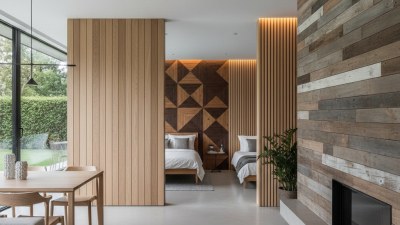
Why Choose Wood Panels for Your Home: Benefits, Styles, and Installation Tips
Wood panels have long been celebrated for their versatility and aesthetic appeal, making them a popular choice among homeowners and interior designers alike. According to a 2022 report by Market Research Future, the wood panel market is projected to grow significantly, driven by increasing demand for sustainable building materials and the rising popularity of eco-friendly housing solutions. Wood panels not only enhance the visual warmth of a space but also prove to be an excellent insulator, contributing to energy efficiency—a crucial factor as homeowners seek to reduce their carbon footprint while maintaining comfort.
In addition to their functional benefits, wood panels come in a variety of styles that can suit any design preference, from rustic charm to sleek modernism. The National Association of Realtors reported that homes featuring natural materials, such as wood panels, tend to attract buyers and can even increase property value. As homeowners look for unique ways to personalize their living spaces, wood panels offer a creative canvas, allowing for a range of finishes, textures, and arrangements.
This introduction aims to explore the myriad benefits of choosing wood panels for your home, as well as practical tips for installation and maintenance, ensuring that your investment not only beautifies your space but also stands the test of time.
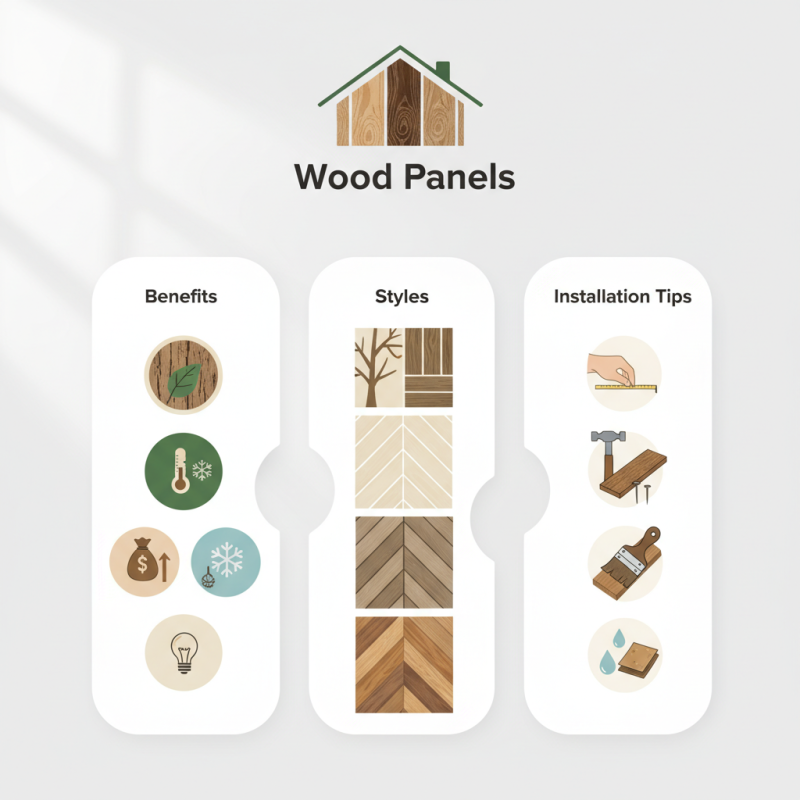
Benefits of Wood Panels in Home Design and Decor
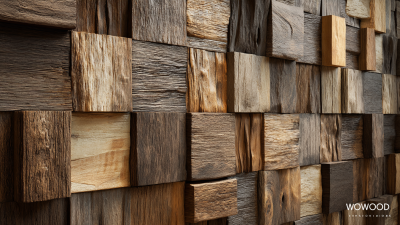
Wood panels have become a popular choice in home design and decor, owing to their myriad benefits. According to a report by the Wood Products Council, incorporating wood into home interiors can add warmth and character, often resulting in a 15% increase in property value. This is largely due to wood's natural aesthetic appeal and its ability to create a cozy, inviting atmosphere. The versatility of wood allows homeowners to choose from various styles, including reclaimed barn wood, sleek modern finishes, or traditional paneling, catering to diverse design preferences.
Additionally, wood panels offer practical advantages that extend beyond their visual appeal. Studies from the Forest Stewardship Council highlight that wood is not only a sustainable choice but also contributes positively to indoor air quality. Unlike synthetic materials that may emit volatile organic compounds (VOCs), wood panels help regulate humidity, leading to a healthier living environment. Furthermore, they have excellent insulation properties, which can translate to decreased energy costs throughout the year. Thus, opting for wood panels not only enhances your living space aesthetically but also brings significant environmental and economic benefits.
Popular Styles of Wood Panels for Various Aesthetics
Wood panels have made a significant resurgence in interior design, emerging as a top trend for summer home aesthetics. Homeowners are embracing bold choices, with natural wood aesthetics becoming increasingly popular, particularly for their ability to add warmth and character to spaces. According to a recent report, interest in wood paneling is not only driven by its visual appeal but also its versatility across various styles, ranging from rustic to contemporary designs.
Among the popular styles, mid-century wooden paneling is making a notable comeback, as it adds a sense of nostalgia while infusing modern areas with charm. Designers are highlighting how this element can create a cozy, inviting atmosphere, transforming any room from mundane to extraordinary. Furthermore, innovative products such as faux wood-paneled wallpaper are anticipated to gain traction, appealing to those seeking a chic yet budget-friendly alternative. As homeowners explore these options, it’s clear that wood panels are poised to be a defining feature of personal expression in 2025's design landscape.
Why Choose Wood Panels for Your Home: Benefits, Styles, and Installation Tips - Popular Styles of Wood Panels for Various Aesthetics
| Wood Panel Style |
Aesthetic Fit |
Benefits |
Installation Tips |
| Shiplap |
Rustic, Farmhouse |
Easy to install, adds texture |
Start from the bottom and work up |
| Beech |
Modern, Minimalist |
Durable and strong; smooth finish |
Use a high-quality adhesive for bonding |
| Plywood |
Industrial, Contemporary |
Cost-effective, various finishes |
Ensure even surface before installation |
| Tongue and Groove |
Traditional, Cozy |
Strong connections, reduces gaps |
Pre-drill holes to prevent splitting |
| Reclaimed Wood |
Eco-friendly, Vintage |
Sustainable, unique character |
Clean all surfaces and treat for pests |
Key Installation Techniques for Wood Panels in Different Spaces
When installing wood panels, understanding the unique installation techniques for different spaces is crucial to achieving a seamless and aesthetically pleasing finish. For instance, in living rooms where humidity levels vary, it's essential to allow adequate space for wood expansion and contraction.
According to the Wood Products Council, ensuring a 1/4 inch gap around the edges can prevent warping and buckling over time. This technique helps maintain the integrity of the panels, particularly in climates that experience significant temperature fluctuations.
In high-moisture areas such as kitchens or bathrooms, utilizing waterproof backing and adhesives is recommended. A 2022 report from the National Wood Flooring Association suggests that treated wood panels not only enhance durability but also resist mold and mildew, making them suitable for these challenging environments. Furthermore, using a staggered installation pattern can promote better stability and visual appeal, as it reduces the likelihood of seams aligning across adjacent panels.
Implementing these key installation techniques fosters a long-lasting and attractive wood panel application, ensuring that your investment in wood features pays off in both function and style.
Maintenance and Care Tips for Long-Lasting Wood Panels
Wood panels are a popular choice for home interiors due to their aesthetic appeal and durability. However, proper maintenance is crucial for ensuring their longevity. According to the Wood Products Council, well-maintained wood products can last over 50 years, significantly extending the lifespan of your investment. Regular cleaning and conditioning can prevent wear and tear, preserving the natural beauty of the wood.
To maintain wood panels effectively, consider the following tips: First, dust the surfaces weekly using a soft cloth or vacuum with a brush attachment to prevent dirt accumulation. Second, use a wood conditioner every six months to nourish the wood and maintain its sheen. This can greatly enhance its resistance to moisture and humidity, reducing the likelihood of warping. Lastly, avoid exposing the wood to direct sunlight for prolonged periods, as UV rays can fade colors and damage finishes.
By following these maintenance tips, you can ensure that your wood panels remain stunning and functional for years to come. With a commitment to care, wood panels can significantly enhance your home’s interior while providing long-term value.
Cost Considerations and Sustainability of Wood Panel Choices
When considering the installation of wood panels in your home, cost and sustainability are essential factors to evaluate. As the global wood panel market is projected to grow significantly, reaching $886 million by 2033, it reflects an increasing demand for eco-friendly building materials. Wood panels not only add warmth and character to interiors, but they also contribute to sustainability efforts when sourced responsibly. The use of renewable resources aligns with an environmentally-conscious lifestyle, making wood an appealing choice for conscious homeowners.
In terms of cost considerations, while initial investments in quality wood panels may be higher than some alternatives, longevity and low maintenance needs can offset these costs over time. Moreover, wood panels can enhance property value and appeal, making them a prudent choice in the long run.
Tips for installation include ensuring proper acclimatization of the wood before installation to prevent warping, and using high-quality adhesives or mechanical fasteners to secure panels effectively. Regular maintenance with appropriate finishes can also help preserve the beauty and integrity of wood panels, making them a worthwhile addition to any home.
Benefits of Wood Panels for Your Home
This chart illustrates the key benefits of choosing wood panels for your home, showcasing their advantages in terms of sustainability, aesthetic appeal, cost effectiveness, and ease of installation.