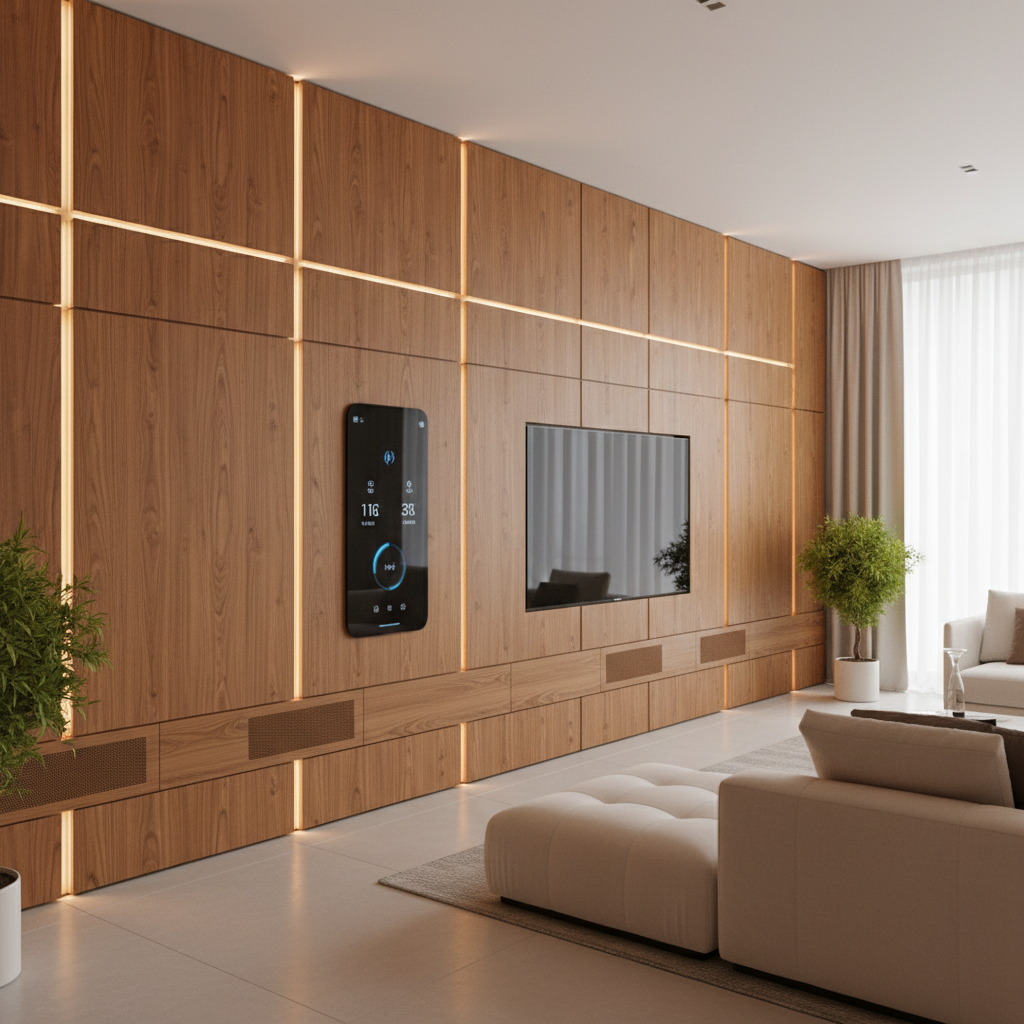
In recent years, interior design has seen a significant transformation, with various trends emerging to enhance the aesthetic appeal of living spaces. Among these,
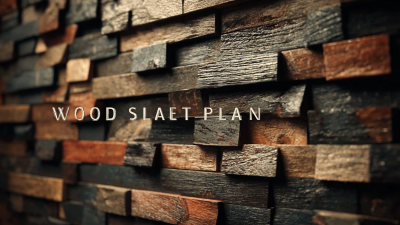
"Wood Wall Paneling" has captured the attention of homeowners and designers alike. Known for its versatility and warmth,
wood wall paneling not only adds texture and depth to a room but also brings a natural element that complements a wide range of styles, from rustic to modern.
As we approach 2025, it's essential to explore the top trends in wood wall paneling that are redefining interior spaces
and inspiring creative design choices.
This article will delve into the top 10 wood wall paneling trends that promise to transform your interiors. Whether you are looking to create a
bold statement or a subtle backdrop, these trends highlight innovative approaches and techniques that breathe new life into the
concept of wood wall paneling. From the resurgence of reclaimed wood to the sleek lines of shiplap and beyond, discover how these trending styles can elevate
your home and reflect your personal taste. Embrace the future of interior design with wood wall paneling that not only enhances aesthetics but also
fosters an inviting atmosphere.
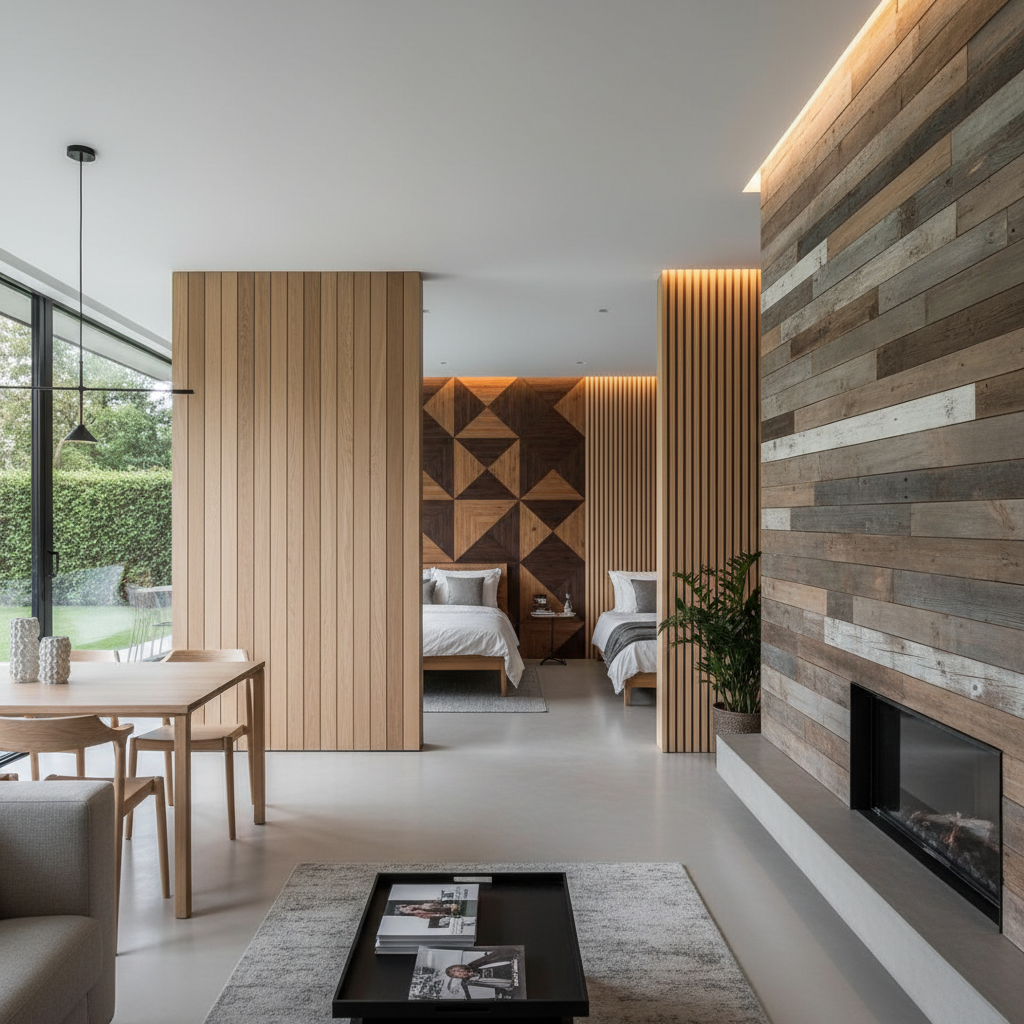
The trend towards natural textures in interior design is significantly shaping the way we perceive and utilize wood finishes in modern spaces. Embracing organic wood finishes creates a warm and inviting atmosphere that resonates with sustainability and eco-friendliness. Rich grain patterns and subtle variations in color and texture highlight the uniqueness of each panel, making them not just functional elements but also artistic features that breathe life into contemporary interiors.
Incorporating these natural wood finishes into design has become essential for creating balanced environments, where the harmony of materials promotes well-being and tranquility. Walls adorned with reclaimed wood, for example, not only showcase the beauty of the past but also tell a story, adding character to spaces. This organic approach allows designers to blend traditional craftsmanship with modern aesthetics, yielding interiors that feel both timeless and progressive. As more homeowners and designers prioritize sustainability, the embrace of natural textures in wood paneling is set to redefine modern design, establishing a deeper connection between the spaces we inhabit and the natural world.
| Trend | Description | Key Features | Popularity (%) |
|---|---|---|---|
| Reclaimed Wood | Utilizing salvaged wood for sustainable décor. | Unique textures, eco-friendly, historical charm. | 25 |
| Natural Finishes | Transparent stains that highlight natural wood grain. | Enhances natural beauty, minimalistic approach. | 20 |
| Geometric Patterns | Use of shaped wood paneling for dynamic walls. | Modern aesthetics, artistic expressions. | 18 |
| Textured Woods | Incorporating 3D textures into wall designs. | Adds depth, tactile experience. | 15 |
| Rustic Aesthetics | Raw and imperfect surfaces for a rural feel. | Warmth, coziness, vintage appeal. | 12 |
| Bold Colors | Vibrant, painted wood paneling options. | Statement pieces, energetic spaces. | 10 |
| Vertical Panels | Installing panels vertically to enhance height. | Visual expansion, modern look. | 8 |
| Mixed Materials | Combining wood with metal or glass elements. | Contrast, interplay between warm and cool. | 7 |
| Layering Techniques | Building depth by layering wood panels. | Rich textures, innovative design. | 5 |
| Sustainable Sourcing | Focusing on responsibly sourced woods only. | Eco-conscious homes, ethical living. | 5 |
As we move into 2025, wood wall paneling is taking a bold turn, embracing vibrant hues that redefine traditional interiors. Gone are the days of muted browns and grays; designers are now leaning towards deep greens, rich blues, and even fiery reds to create striking focal points in living spaces. These bold colors can breathe new life into a room, adding a layer of personality that enhances overall aesthetics while still maintaining the warmth and texture that wood naturally brings.
Tips: When incorporating bold colored wood paneling, consider the balance of your space. Pairing vibrant panels with neutral furniture allows the panels to stand out without overwhelming the room. Additionally, using different finishes can add depth; for instance, matte finishes tend to soften the vibrancy while glossy finishes enhance the richness of the color. Don't hesitate to mix different shades of wood to create a dynamic and personalized look.
Another exciting trend is the use of accent walls featuring vibrant wood paneling. This technique not only adds character but can also visually expand a space. By creating a stunning backdrop, you can highlight favorite artworks or decor pieces. Choosing colors that complement existing elements in the room will further enhance the overall design while ensuring a cohesive feel throughout the space.
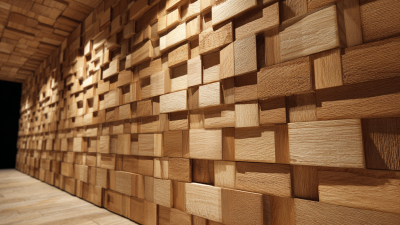
Geometric patterns are making a bold statement in the world of wood wall paneling, offering innovative shapes that elevate interior design. By employing intricate designs and sharp angles, geometric wall panels create a dynamic visual experience that attracts attention and stimulates the senses. These patterns can vary from simple triangles to complex tessellations, allowing homeowners and designers alike to express their creativity while incorporating natural materials into their spaces.
The versatility of geometric wood paneling lies not only in its aesthetic appeal but also in its ability to harmonize with various decor styles. Whether placed in a modern minimalist loft or a cozy rustic retreat, these panels can enhance the overall ambiance. Mixing different shapes and wood finishes can also help create depth and texture, turning a plain wall into a stunning focal point. With sustainability at the forefront of design trends, using wood in innovative patterns ensures that spaces remain stylish while also being environmentally conscious.
The interior design landscape is increasingly leaning towards sustainability, particularly in wood wall paneling. As homeowners become more environmentally conscious, the demand for eco-friendly wood options is surging. According to a recent report by the Forest Stewardship Council (FSC), approximately 74% of consumers are willing to pay more for sustainable goods, reflecting a significant shift towards responsible sourcing. This trend is poised to influence the wood paneling market, as designers seek materials that not only enhance aesthetics but also support ecological balance.
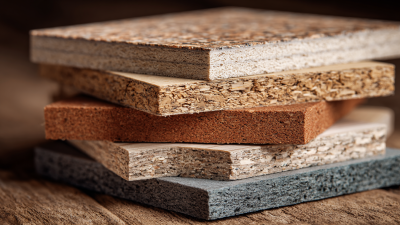
To meet this growing demand, various sustainable wood options are emerging in contemporary spaces. Reclaimed wood, for instance, is one of the most popular choices, as it not only reduces waste but also adds character and history to modern interiors. The U.S. Green Building Council reports that incorporating recycled materials like reclaimed wood can contribute to LEED certifications, allowing projects to achieve higher sustainability ratings. Additionally, engineered wood products that utilize less raw material and come from responsibly managed forests are also gaining traction. This shift towards eco-friendly materials is not just about compliance with regulations; it's about creating a lasting impact on our environment while delivering beautiful, functional designs.
The integration of technology into wood wall paneling is redefining the interior design landscape. Smart panels are becoming increasingly popular, blending functionality with aesthetics. According to a recent report from MarketsandMarkets, the smart home market is anticipated to reach $174 billion by 2025, highlighting a growing demand for technologies that enhance living spaces. These panels not only elevate the visual appeal of a room but also incorporate features such as adjustable lighting, sound systems, and climate controls, ensuring a harmonious blend of comfort and style.
When considering wood wall paneling, it’s essential to think about the connectivity options available. Implementing panels with integrated Bluetooth or Wi-Fi capabilities can allow users to control their environment at the touch of a button. Furthermore, selecting sustainable materials that boast superior insulation properties can elevate both energy efficiency and appeal.
Tips: Choose panels that offer compatibility with existing smart home systems for seamless integration. Additionally, look for designs that feature customizable features, allowing you to adapt the space according to mood or season. Lastly, prioritize eco-friendly materials that not only contribute to aesthetics but also promote sustainability in your interior design choices.